
Last updated October 16, 2026
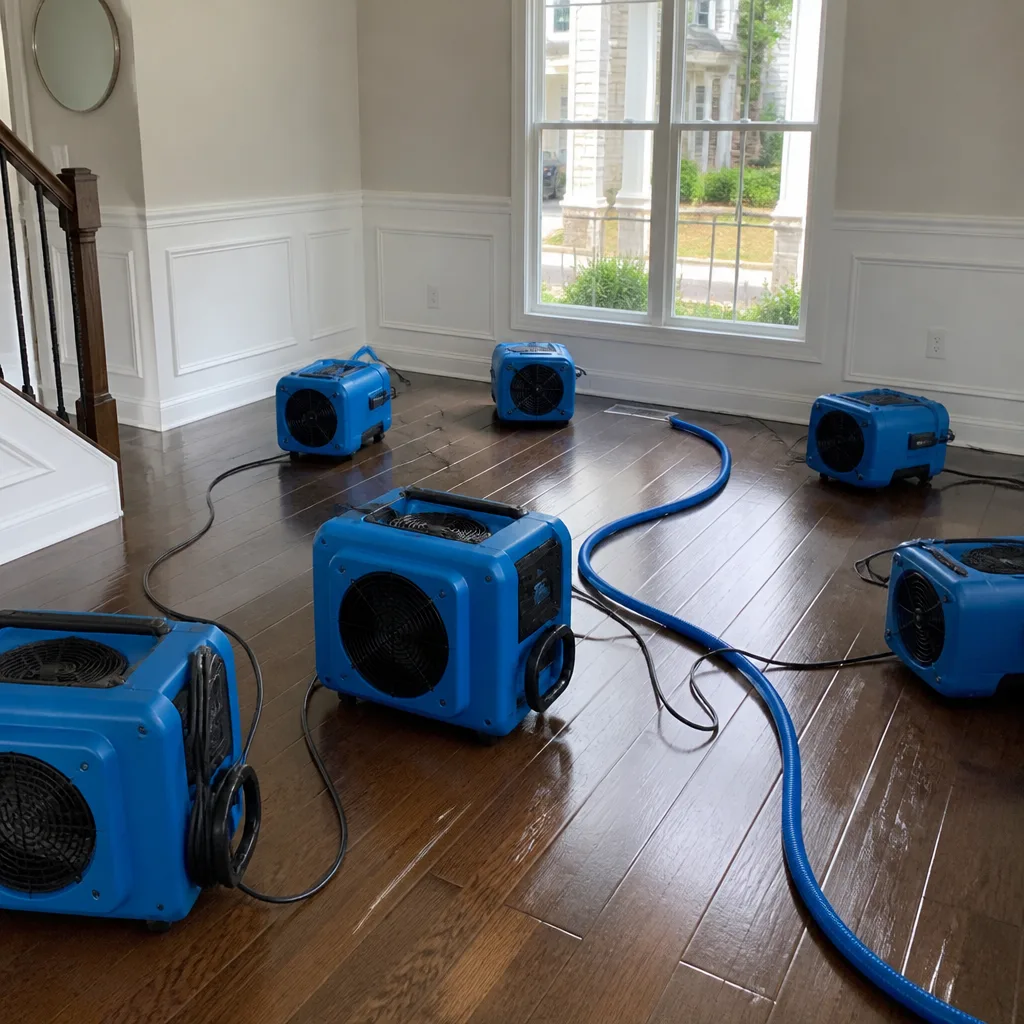 Water damage drying
 Fire & smoke cleanup
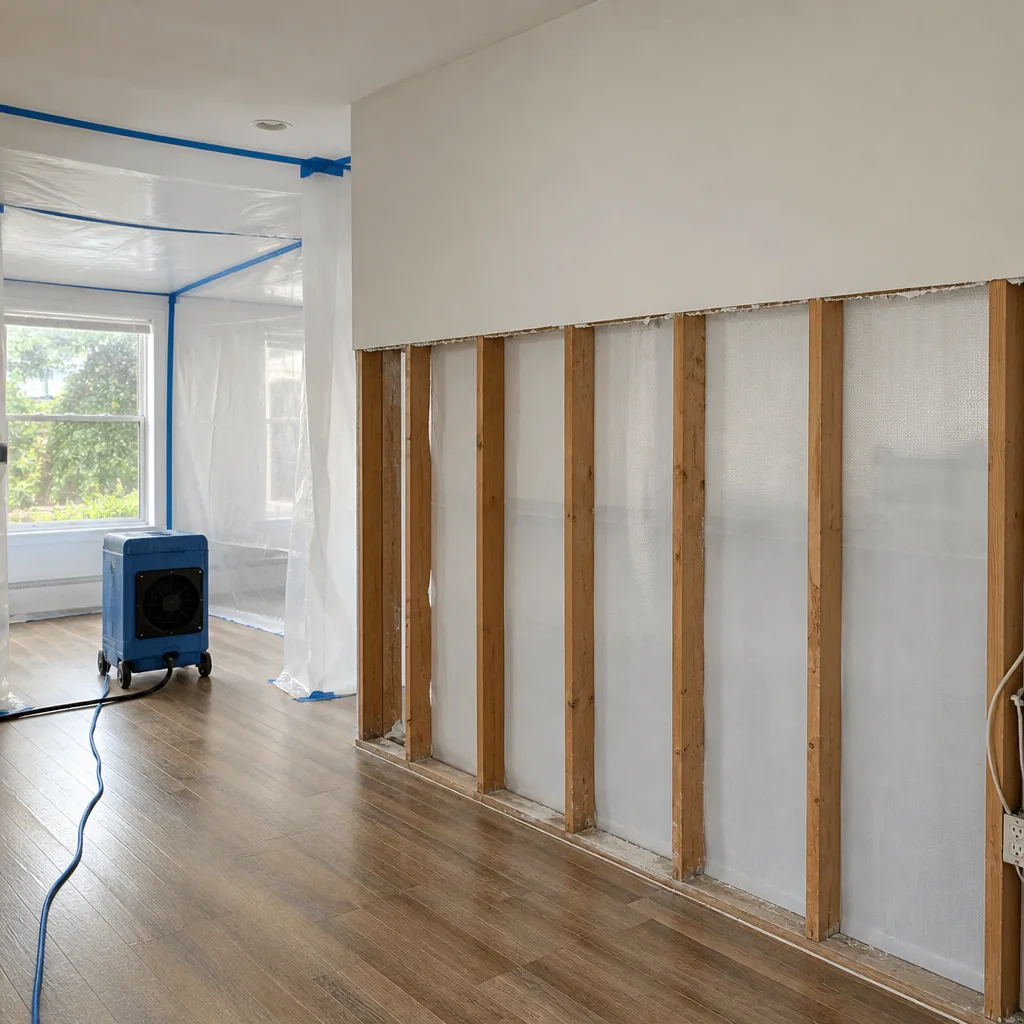 Mold remediation
 Storm response
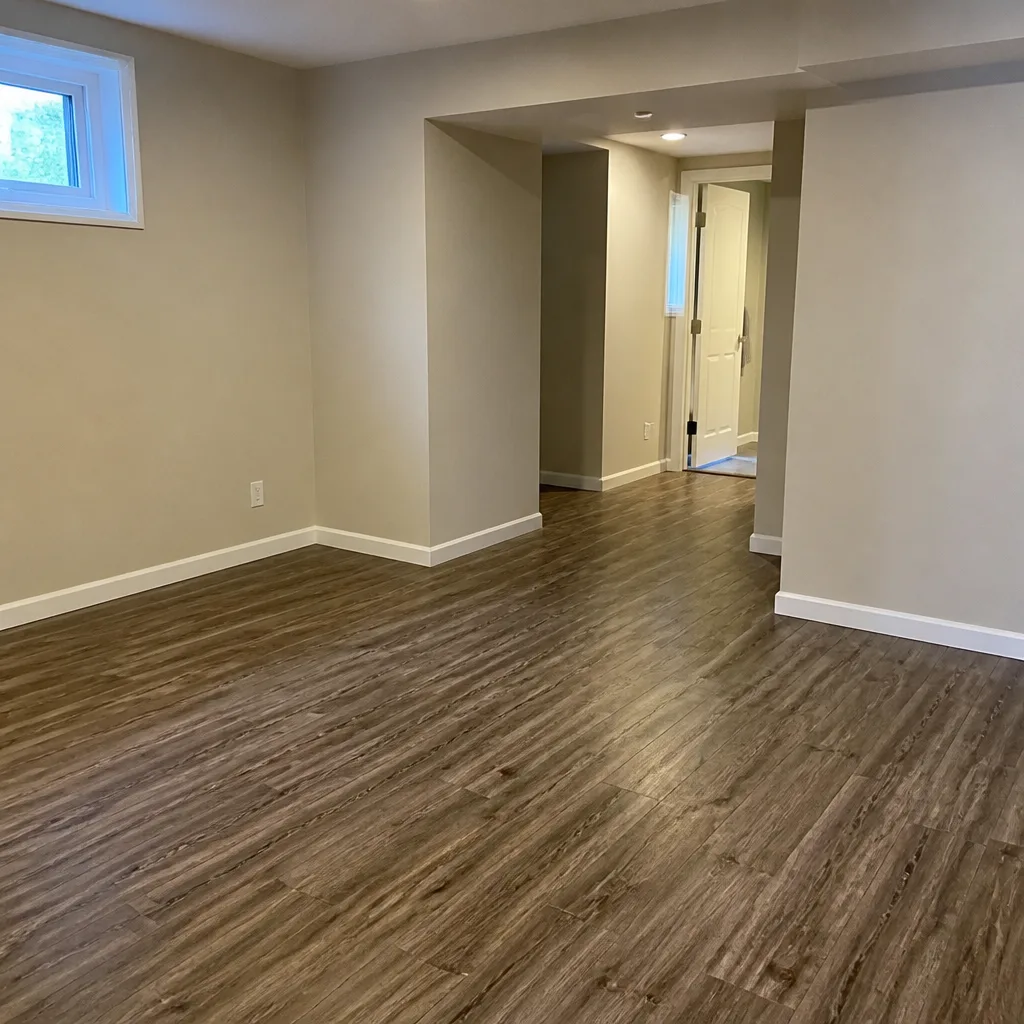 Sewage cleanup
 Reconstruction
Free visual inspection and a written scope of work before any mitigation begins - photos, moisture readings, and drying logs go in your claim file
The scope we write is the scope we bill. Anything new gets shown to you, in writing, before we touch it.
Get your free estimateThe Complete Guide to Damage Restoration in Miami
Within 72 hours of a water intrusion in Miami’s average August humidity, a wall cavity that feels dry to the touch can still be hosting active mold colonies. The standard drying timelines most restoration guides cite were written for climates with 40 percent relative humidity, not the 85 percent we live with from June through October. This guide explains what actually happens to a wet Miami home, hour by hour, and why the playbook that works in Phoenix kills drywall in Doral. For damage restoration warning signs every Miami homeowner should know, see our dedicated reference. You’ll learn the city-specific failure patterns, the cost ranges to expect, and the questions to ask before anyone puts a fan in your living room.
Quick Answer
Damage restoration in Miami means removing water, drying the structure to a measurable standard, treating or removing mold, and repairing what cannot be saved. Because of Miami’s high ambient humidity, the mold-growth window compresses from 72 hours to as few as 36, so response speed matters more here than almost anywhere else in the country. Most residential water extractions in Miami run between $1,800 and $6,500 depending on the size of the affected area, the category of water, and how long it sat before extraction began. See our Damage Restoration Cost Breakdown: The Miami Homeowner’s Reference for 2026 for detailed pricing by scenario.
Restoration work we handle
Table of Contents
- The Miami Timeline: What Happens Hour by Hour
- Water Categories: Clean, Gray, and Black
- Psychrometric Drying: Why It Matters More in Miami
- The Slab-Foundation Problem Unique to South Florida
- Saltwater Intrusion: Different Chemistry, Different Cleanup
- The Compressed Mold Window: 36 Hours, Not 72
- What Restoration Actually Costs in Miami
- Miami-Dade Building Code and Your Insurance
The Miami Timeline: What Happens Hour by Hour
Water does not wait, and in Miami it moves faster than in most American cities. The first 60 minutes are the difference between a $2,000 extraction and a $12,000 remediation. Here is the sequence we see on nearly every job where water sat for more than a day.
- Minutes 0-60: Water spreads horizontally across flooring and wicks upward into drywall. In Miami homes built on slab, it also begins moving laterally under baseboards. Carpet padding acts like a sponge. Vinyl plank flooring traps water underneath, where it stays hidden.
- Hours 2-6: Drywall begins to soften at the base. Laminate flooring swells and delaminates. Water that reached wall cavities starts migrating upward through capillary action, often 12 to 18 inches above the visible waterline.
- Hours 12-24: In Miami’s humidity, mold spores that are present in every home find the moisture they need to germinate. Musty odors appear. Wood framing reaches moisture content above 20 percent, the threshold where rot and fungal growth begin.
- Hours 24-36: This is the compressed mold window in Miami. In drier climates, mold typically becomes visible at 72 hours. Here, with ambient humidity at 80 percent or higher, active colonies can establish in as few as 36 hours inside wall cavities and under flooring.
- Hours 48-72: Secondary damage accelerates. Wood subflooring swells and warps. Drywall crumbles. Metal fasteners corrode. Contaminated water (Category 2 or 3) now poses a significant health risk. The cost of restoration has typically doubled or tripled from what a same-day response would have involved.
In our experience across water damage restoration in Miami, the homes that fare best are the ones where extraction started within hours, not days. A wet-dry vacuum from Home Depot removes surface water. What it does not remove is the water that has already wicked into drywall, under flooring, and into wall cavities. That hidden water is where the real damage happens.
Water Categories: Clean, Gray, and Black
The restoration industry classifies water into three categories, and the category determines everything: what equipment gets used, what gets torn out, what gets treated, and what gets disposed of. Knowing the category also tells you whether you should be standing in the room at all.
- Category 1 (Clean water): From a broken supply line, a faucet, a water heater overflow with no contamination. This is the best-case scenario. Drying and targeted repairs usually suffice. No special decontamination needed if addressed within 24 hours.
- Category 2 (Gray water): From washing machines, dishwashers, sump pump failures, or toilet overflows with urine only. This water carries biological or chemical contaminants. Carpet padding and any absorbent material touched by Category 2 water gets removed and replaced. Hard surfaces need antimicrobial treatment after drying.
- Category 3 (Black water): Sewage, floodwater from outside, storm surge, or any water that has sat long enough to support bacterial growth. This is hazardous. Full personal protective equipment is required. Absorbent materials are removed. Remaining surfaces are disinfected, not just dried. In Miami after a hurricane or tropical storm, any outdoor floodwater is treated as Category 3.
The category can worsen over time. Clean water sitting in a warm, humid Miami home for 48 hours becomes Category 2 or 3 because bacteria multiply. That is why the clock matters so much here. The same pipe burst that is a simple drying job on day one becomes a gut-and-disinfect job on day three.
Psychrometric Drying: Why It Matters More in Miami
Psychrometric drying sounds complicated. It is not. It means measuring three things together: temperature, humidity, and airflow. When you know all three, you can create conditions that pull moisture out of building materials and into the air, where dehumidifiers remove it. That is the entire principle.
Here is why this matters more in Miami than anywhere else in the continental United States. Drying is a vapor pressure game. Water moves from wet materials into drier air. When Miami’s outdoor humidity sits at 85 percent, the air inside a wet home is also at 85 percent unless you actively change it. Air that humid cannot absorb much more water. The result: surfaces feel dry after a day, but the material is still wet inside. The wall cavity is still wet. The subfloor is still wet. And mold is growing in the dark, warm, moist space between them.
A professional restoration crew uses psychrometric readings to track moisture content in specific materials rather than relying on touch. We measure wood flooring, drywall, and framing with moisture meters and document the numbers. The goal is to get every material below the threshold where mold can grow. In Miami, that typically means running commercial dehumidifiers longer and staging more of them per square foot than a crew would in Atlanta or Dallas. The equipment from Dri-Eaz, Phoenix, and XPOWER we run on Miami jobs is the same gear used on large commercial losses, because the conditions here demand it.
If someone shows up with box fans and a portable dehumidifier from a big-box store, they are not drying your home. They are moving wet air around and giving mold a head start. Ask what moisture readings they are taking and what the drying goal is, in numbers. A professional can answer that question immediately.
The Slab-Foundation Problem Unique to South Florida
Most American homes sit on basements or crawl spaces. Most Miami homes sit on a concrete slab poured directly on the ground. That single architectural fact changes how water behaves when it escapes.
Water that reaches a concrete slab does not pool in one obvious spot. It travels. Concrete is porous, and the water moves laterally under the slab through the soil, following the path of least resistance. It can emerge in a room 20 feet from the original source, with no visible water trail connecting the two. We have seen kitchen sink overflows in Coral Gables cause moisture wicking into bedroom closets on the opposite side of the slab. In Little Havana, a washing machine leak traveled under a shared wall and damaged drywall in a neighbor-facing wall cavity that was never visibly wet.
This lateral movement complicates cleanup in three specific ways:
- Inspection must go beyond the visible. Moisture meters and infrared cameras are not optional add-ons in Miami; they are the minimum standard for finding the actual edge of the water migration.
- Drying takes longer. Wet soil under a slab releases moisture slowly and keeps reintroducing humidity into the structure even after interior air is dry.
- Mold appears far from the source. Because the water travels, so does the mold. A room that was never visibly wet can still have active growth inside baseboard cavities.
The fix is not tear out the slab. It is to dry the interior aggressively, use injection drying through base plates where applicable (systems like Injectidry push air directly into wall cavities), and verify the moisture content of materials far beyond the visible wet area. If your restoration contractor only dries where the water visibly pooled, they are leaving half the job undone in a slab-built home.
Saltwater Intrusion: Different Chemistry, Different Cleanup
Most national restoration guides treat floodwater as one thing. Miami is different, because sometimes the floodwater is saltwater. Storm surge from a hurricane, king tide flooding in Shorecrest, or even a canal overflow in Cutler Bay introduces salt into your home. Salt changes the cleanup chemistry entirely.
Freshwater drying follows a straightforward path: extract, dry, treat, repair. Saltwater requires a crucial first step that freshwater jobs skip: rinse. Salt is hygroscopic. It attracts moisture from the air. If you dry a saltwater-soaked wall without rinsing it first, the wall will read dry on the surface and then slowly pull humidity back into itself for months. The result is a structure that never truly dries, drywall that keeps crumbling, and persistent musty odors that no air freshener can fix. Worse, salt corrodes electrical components, metal framing, and fasteners at an accelerated rate.
The decontamination chemistry also changes. Saltwater intrusion from storm surge is always treated as Category 3 water, because it carries whatever was in the street: sewage, fuel, debris, and biological contaminants. Standard antimicrobial treatments used on freshwater jobs are not necessarily rated for the specific contaminant load in saltwater flood scenarios. The restoration scope must include a rinse and decontamination phase before drying begins.
If your home flooded with saltwater, tell your restoration company that explicitly. A company that does not ask is a warning sign. The right approach involves rinsing affected surfaces, running air scrubbers during demo and drying, and documenting everything for insurance, because saltwater claims almost always involve adjuster scrutiny.
The Compressed Mold Window: 36 Hours, Not 72
The single most misunderstood fact about Miami restoration is this: the 48-to-72-hour mold window quoted in most national guides does not apply here. Mold needs three things: moisture, food, and temperature. Miami provides all three in abundance. Food is the drywall paper, wood framing, and dust in every home. Temperature is consistently in the 75-85 degree range that fungi love. And moisture, in a home with water damage, is guaranteed.
At 40 percent relative humidity, the mold clock runs slowly. At 80 percent relative humidity, which is a normal Miami summer day, that clock runs roughly twice as fast. That is how a 72-hour window becomes a 36-hour window. Here is what that means practically:
- A pipe burst at midnight Tuesday can have active mold colonies by midday Wednesday if the water reached a wall cavity or soaked into carpet padding.
- A slab leak dripping slowly for weeks can have extensive hidden mold growth long before any visible sign appears on the surface.
- A home that flooded during a summer thunderstorm and could not be accessed for two days is almost certainly a mold remediation job, not just a water extraction.
This compressed timeline is why mold remediation in Miami is so frequently paired with water damage response. The two are rarely separate issues here. When we respond to a water loss in August, we assume mold is already present until moisture readings and air sampling prove otherwise. That is not alarmism; it is a realistic read of the local conditions. If a contractor tells you they can dry first and worry about mold later, they are ignoring how Miami works.
In Marsh Water Damage Miami homes, we treat every water loss as a potential mold loss from the moment we arrive. That means setting containment where needed, running air scrubbers during demo, and documenting moisture readings at every stage. The goal is not just to dry your home. It is to make sure nothing is growing in the dark while the drying happens.
What Restoration Actually Costs in Miami
No honest contractor can quote a restoration job sight unseen, but you should know the rough ranges before you call. Here are the numbers we see across Miami-Dade County for typical residential losses in 2025:
| Scope of Work | Typical Range | What It Includes |
|---|---|---|
| Water extraction only (single room) | $800 – $2,000 | Extraction, surface drying, basic dehumidification, moisture readings |
| Full water damage restoration (3-4 rooms) | $3,500 – $8,000 | Extraction, demo, structural drying, dehumidification, documentation |
| Mold remediation (single room, contained) | $1,500 – $4,500 | Containment, HEPA air scrubber, removal, treatment, post-remediation verification |
| Storm surge / Category 3 flood cleanup | $6,000 – $20,000+ | Rinse and decontamination, full demo, drying, sanitization, rebuild scope |
| Reconstruction after restoration | $15 – $45 per sq ft | Drywall, paint, trim, flooring, depending on finishes |
These are not quotes. They are ranges based on hundreds of Miami jobs. Your number depends on square footage, water category, how long the water sat, and how far it traveled. What should concern you is not the exact number but whether the number is in writing before work starts. A restoration company that gives a verbal estimate and then revises upward after demo is not uncommon in this industry. Ask for the scope and the price on paper before you authorize any work. At Marsh Water Damage Miami, a written price before any work begins is a non-negotiable standard, not a courtesy.
Miami-Dade Building Code and Your Insurance
Miami-Dade County has some of the strictest building codes in the United States, written in the aftermath of Hurricane Andrew and updated after every major storm since. Our guide to damage restoration permits, codes & inspections in FL breaks down what you need to know. Those codes apply to restoration work, not just new construction. If your restoration contractor does not know the relevant sections, your insurance claim can be denied and your home’s resale value can take a hit.
The specific requirements vary by scope, but here are the patterns we see repeat across South Florida:
- Wind-mitigation requirements: If the damage touched any structural element, repairs must meet current Miami-Dade wind-load standards. An unpermitted repair can void coverage on future claims.
- Moisture-barrier rules: Repairs to exterior walls must maintain the building envelope. A contractor who replaces drywall but skips the vapor barrier has created a leak that your insurer will not cover next time.
- Permit triggers: Structural repairs, electrical work, and plumbing changes generally require permits in Miami-Dade. A contractor who suggests skipping the permit is saving you a few hundred dollars and risking tens of thousands.
- Post-storm FEMA and county coordination: After a declared disaster, restoration work in certain flood zones must meet additional elevation and materials standards. A contractor who works mostly outside Miami may not know these rules.
Insurance carriers are increasingly specific about what they will pay for. Restoration documentation that shows code-compliant scope, itemized line items, and photo evidence of the loss is the difference between a smooth claim and a denied one. We document every job the same way, because we deal with Miami adjusters every week. The standard matters even if it feels like overkill on a small job.
Common Mistakes to Avoid
- Waiting for the adjuster before starting mitigation. Most policies require the homeowner to mitigate ongoing damage. Waiting means more damage, and insurers can deny the additional loss. Start extraction first, document second.
- Using box fans and a home dehumidifier. These tools are not designed to dry inside wall cavities or under flooring. In Miami’s humidity, they create a false sense of progress while mold establishes itself inside the structure.
- Assuming a visible stain marks the full extent of the water. On slab foundations, water travels. The real damage is often in rooms that were never visibly wet. Any drying plan that does not include remote moisture mapping is guessing.
- Hiring the cheapest company without checking what the price includes. A low price usually means fewer dehumidifiers, shorter drying time, and no post-remediation verification. You pay for that later in mold, warped floors, and a denied insurance claim.
- Reconstruction without a documented drying completion. Boarding up wet framing and installing drywall over it locks water into the structure. In Miami, that becomes mold within weeks. Dry to a verified standard, then rebuild.
- Choosing a contractor who cannot show photo ID at the door. See the next section. This is not paranoia. It is a real gap in this industry, and one that predatory actors exploit.
See the difference
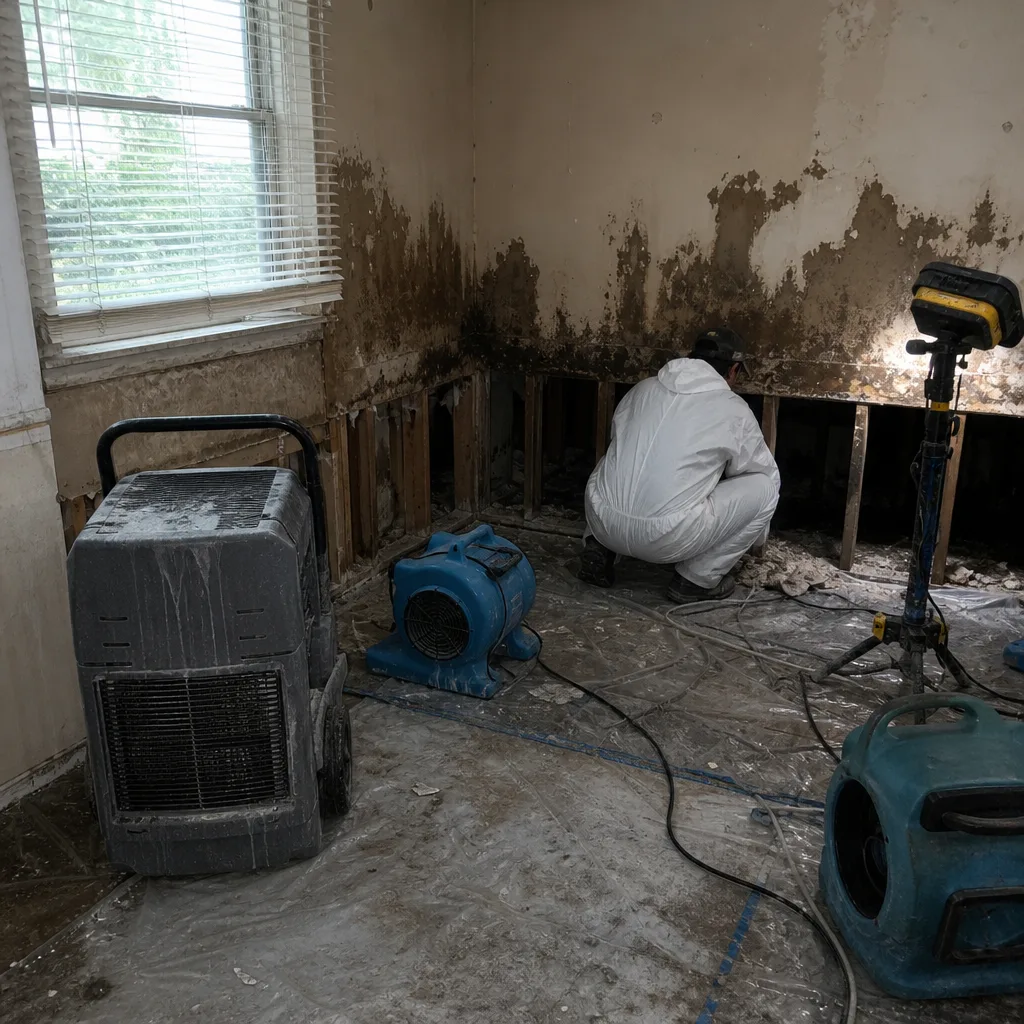 Before
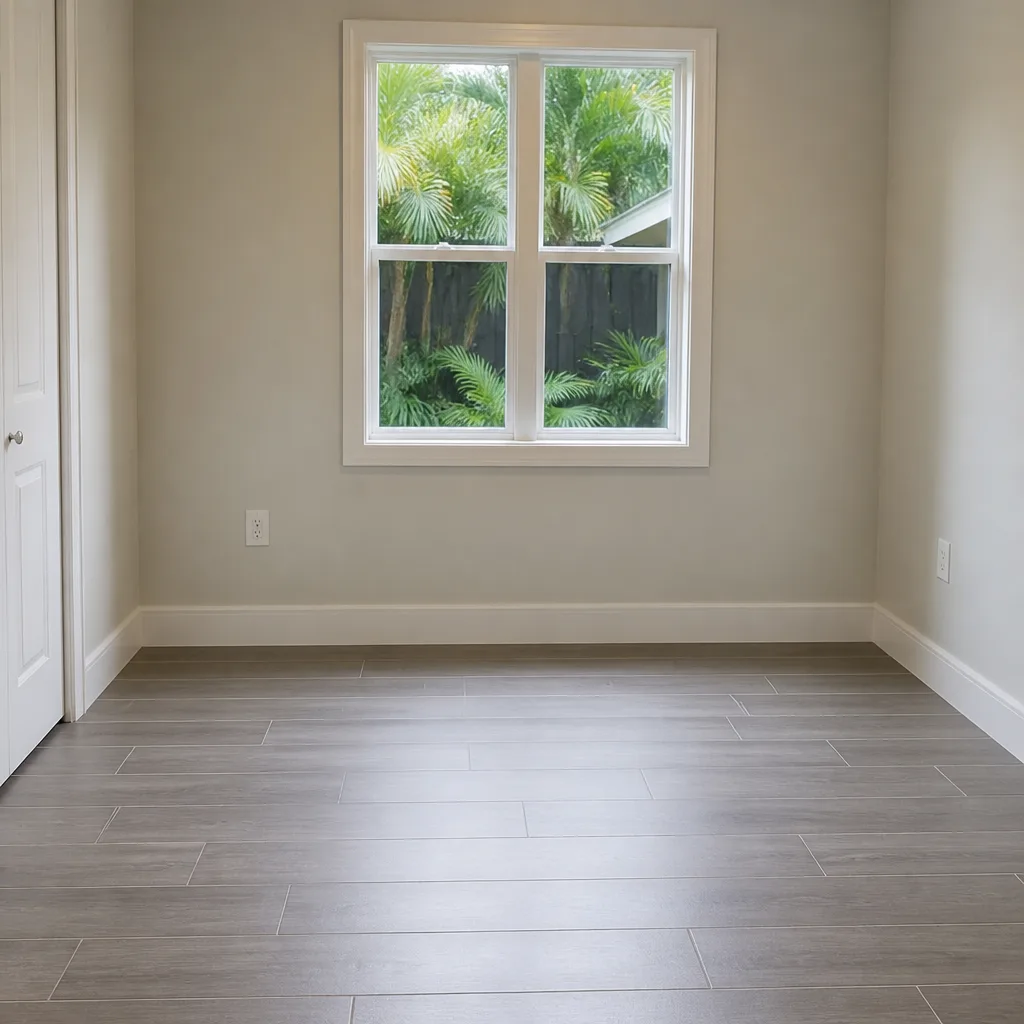 After
After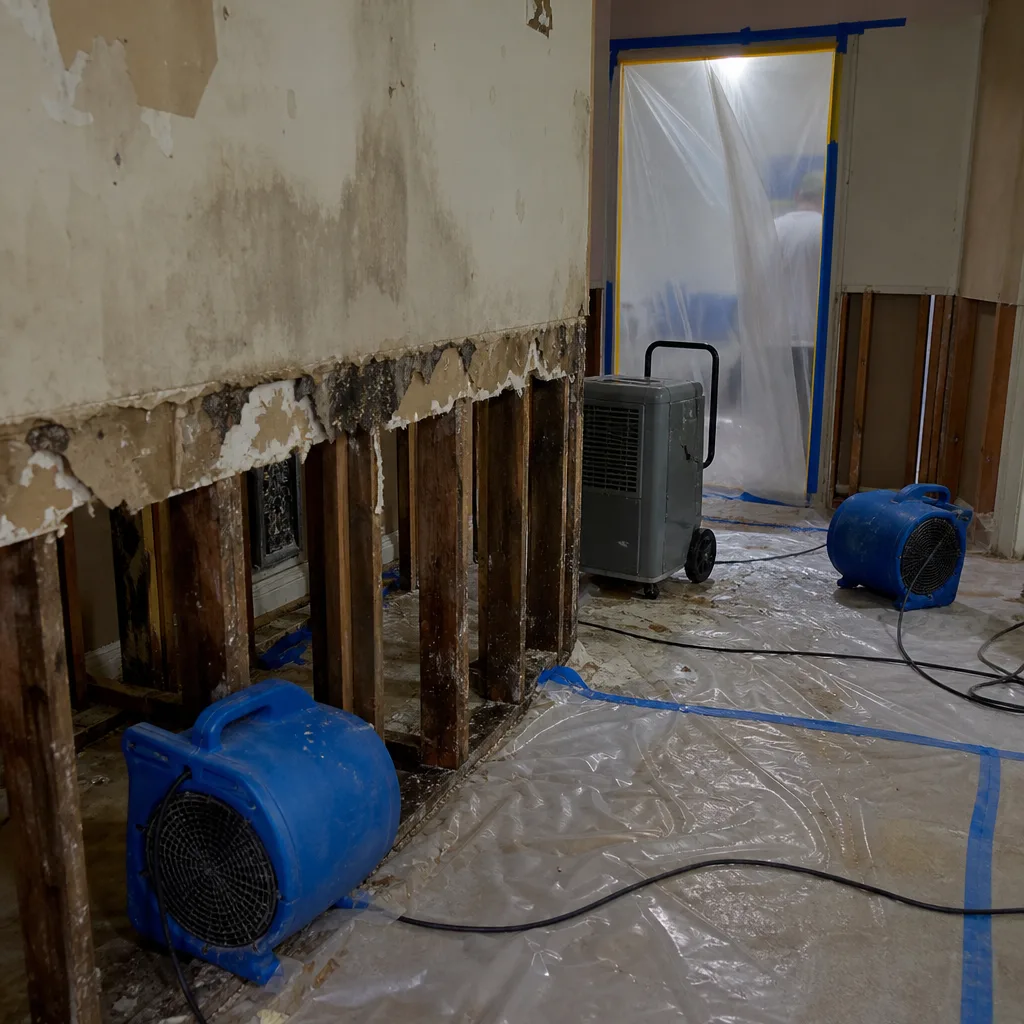 Before
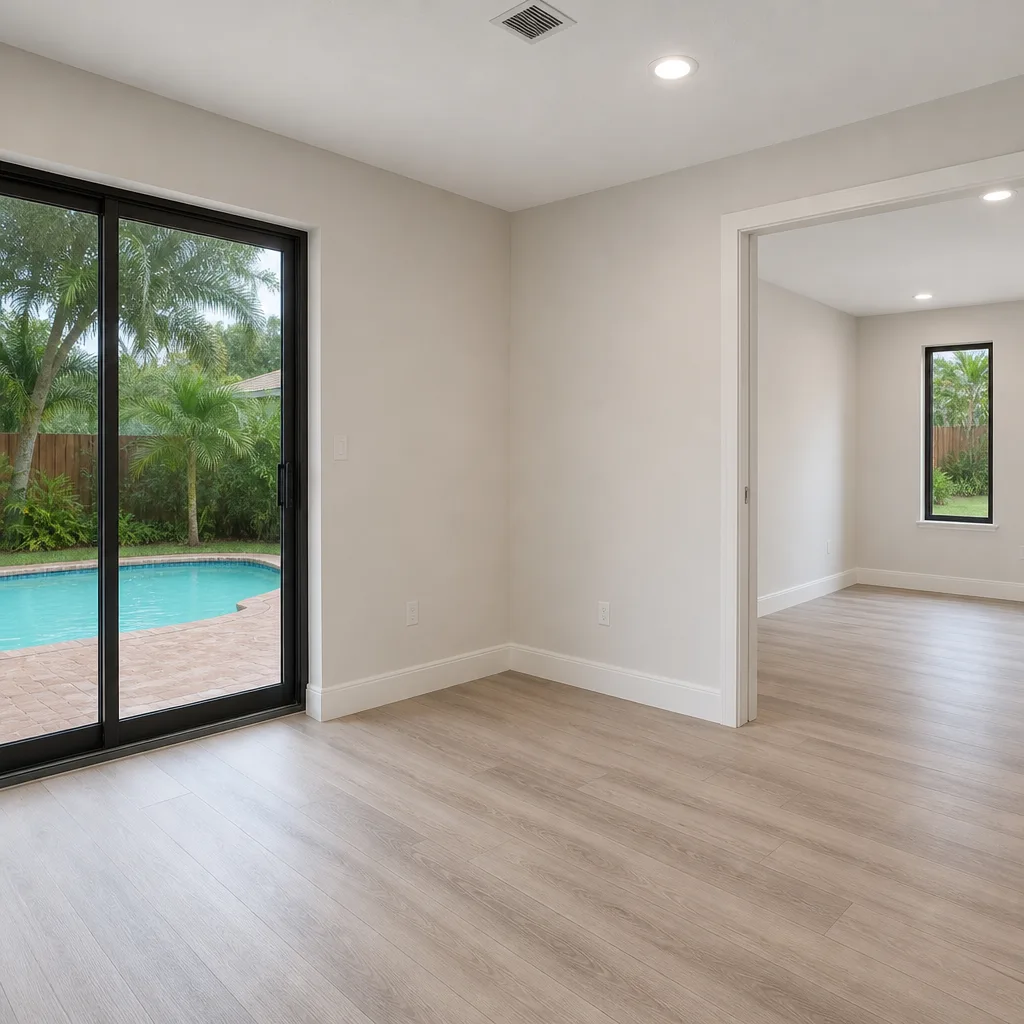 After
After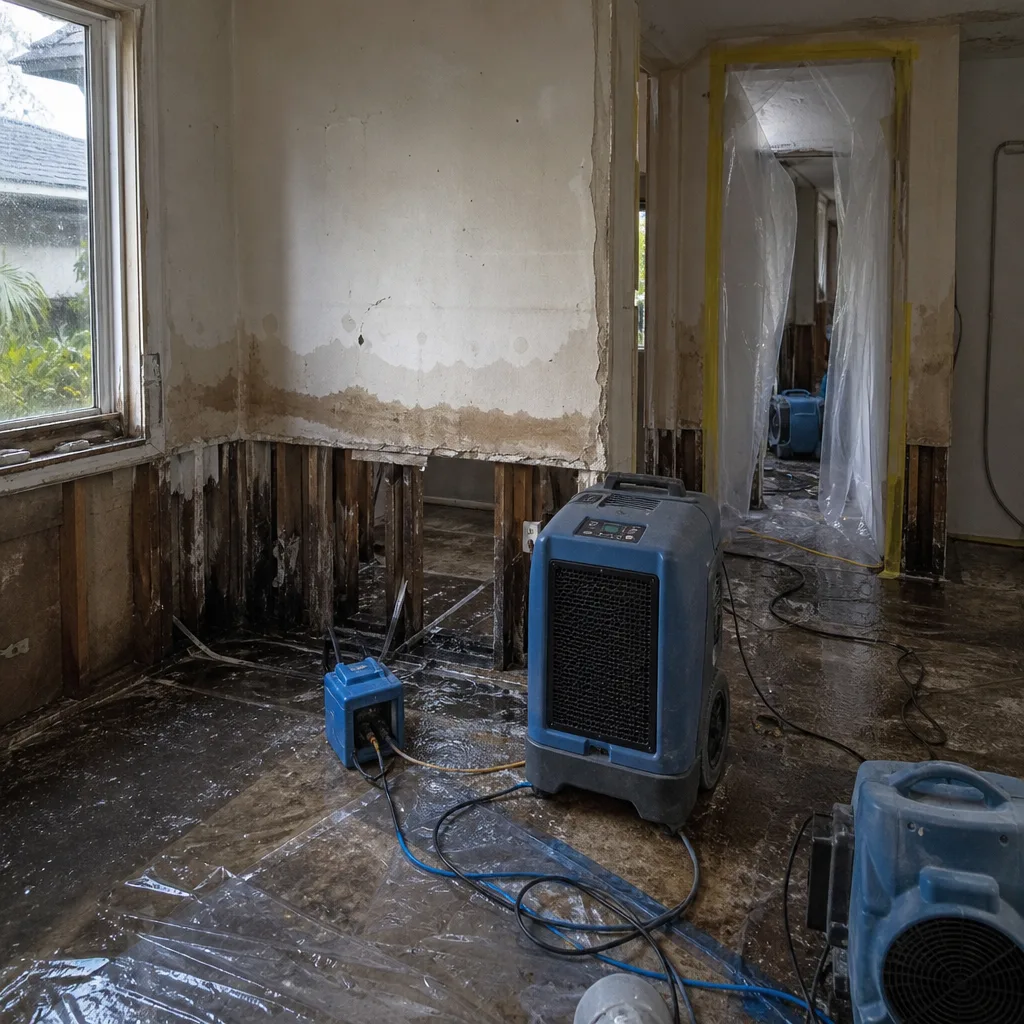 Before
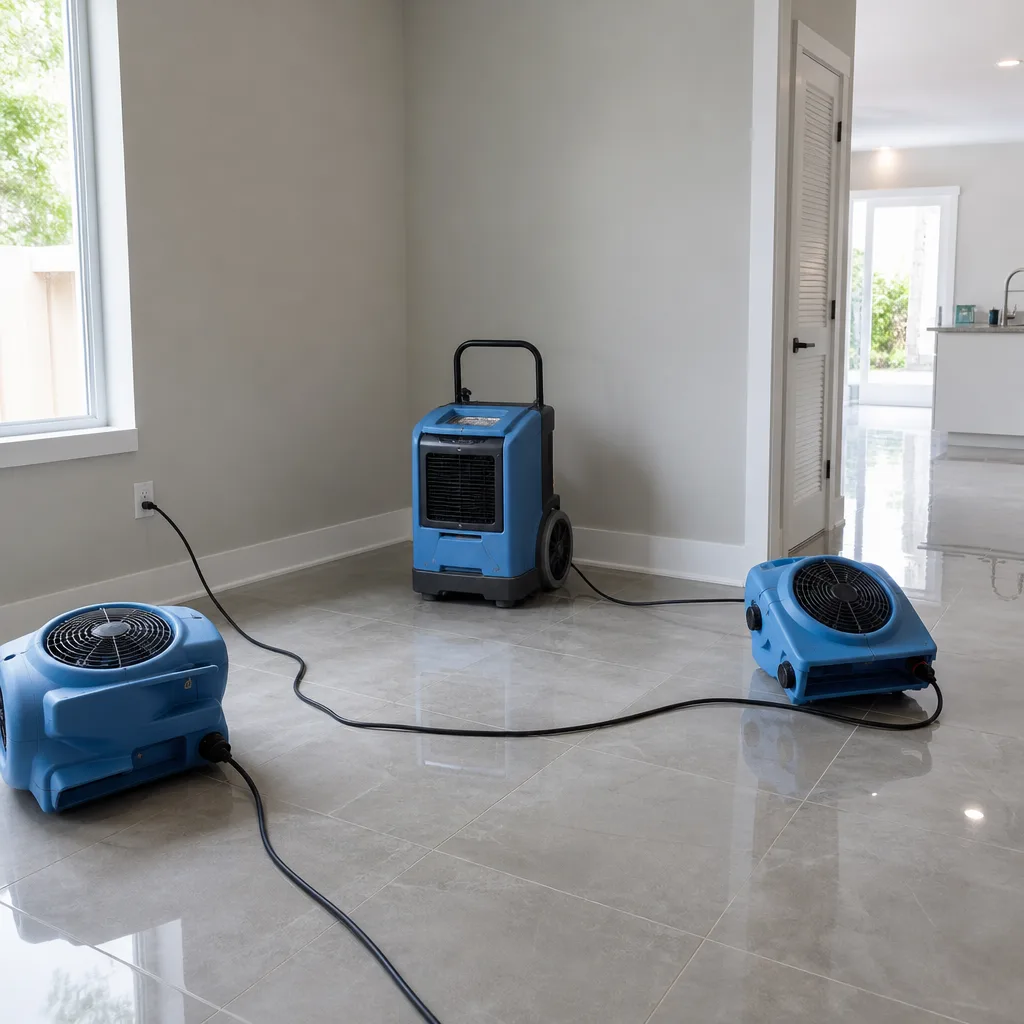 After
AfterWhen to Call a Professional
You should call a professional restoration company the moment water covers more than a few square feet, reaches a wall, soaks into flooring, or has sat for more than a few hours. You should also call if the water came from outside, from sewage, or from anything other than a clean supply line. If you smell a musty odor after a leak, mold is already active. If a room feels damp but you cannot find the source, that is a slab leak until proven otherwise. If you are reopening a home after a hurricane and the power was out for days, assume Category 3. Storm damage restoration in Miami follows a different scope than a plumbing leak, and it starts with safety.
Marsh Water Damage Miami offers free estimates throughout Miami, and a live person answers at (689) 888-7601 around the clock. If you are not sure whether you need us, call anyway. We would rather tell you it is a minor issue than have you find out in two weeks that it was not.
Frequently Asked Questions
Most residential water extractions in Miami run between $1,800 and $6,500 before reconstruction, depending on the square footage, water category, and how long the water sat. Full restoration with rebuild work can reach $20,000 or more. Call (689) 888-7601 for a written estimate based on your specific situation.
Coverage depends on your policy and the source of the water. Sudden and accidental events like pipe bursts are typically covered, while gradual leaks and lack of maintenance often are not. Flood damage from rising water requires separate flood insurance under FEMA’s National Flood Insurance Program. We document every job with photos tagged to specific materials and moisture readings, including documentation your adjuster can review directly.
In Miami’s humidity, every hour matters. Mold begins establishing within 36 hours, so same-day response is the standard, not the exception. Calls to Marsh Water Damage Miami are answered by a live person 24/7, and we dispatch crews the same day for active water losses. The threshold-verified technician assigned to your job comes with a name and photo sent to you before they arrive.
If moisture readings confirm the structure is dry and no mold is present, a cleaning may be enough. If water reached wall cavities, soaked into flooring, or sat for more than 36 hours in Miami’s humidity, remediation is almost always necessary. A professional inspection with moisture meters and, where warranted, air sampling gives you a definitive answer. Guessing is how you end up with mold behind your baseboards six months later.
At Marsh Water Damage Miami, we do. We document losses the way adjusters expect to see them: itemized, photographed, and tied to specific building materials. We coordinate directly with your insurance company and provide the documentation they request. You should not have to become a claims expert while your home is wet.
Most Miami homes sit on concrete slabs, so water that reaches the slab travels laterally underneath it and appears in rooms far from the original source. Drying requires moisture mapping beyond the visible wet area, injection drying into wall cavities, and longer equipment runtimes than basement or crawl-space homes in other regions. A contractor without slab experience will almost certainly under-scope the drying plan.
The Bottom Line
Damage restoration in Miami is not a generic process. The humidity compresses the mold window. The slab foundations hide the water’s path. The saltwater introduces chemistry most inland companies never deal with. The building code demands repairs that most national playbooks ignore. The right restoration company for this city knows these patterns by name and plans for them by default. Explore more guides & resources on protecting your Miami home from water damage. Ask for a written price before work starts. Ask what moisture readings they are taking and what the drying goal is. Ask who exactly is showing up at your door. The answers tell you everything.
Written by Tobias Reyner, Owner at Marsh Water Damage Miami, serving Miami since 2005.