
Last updated October 16, 2026
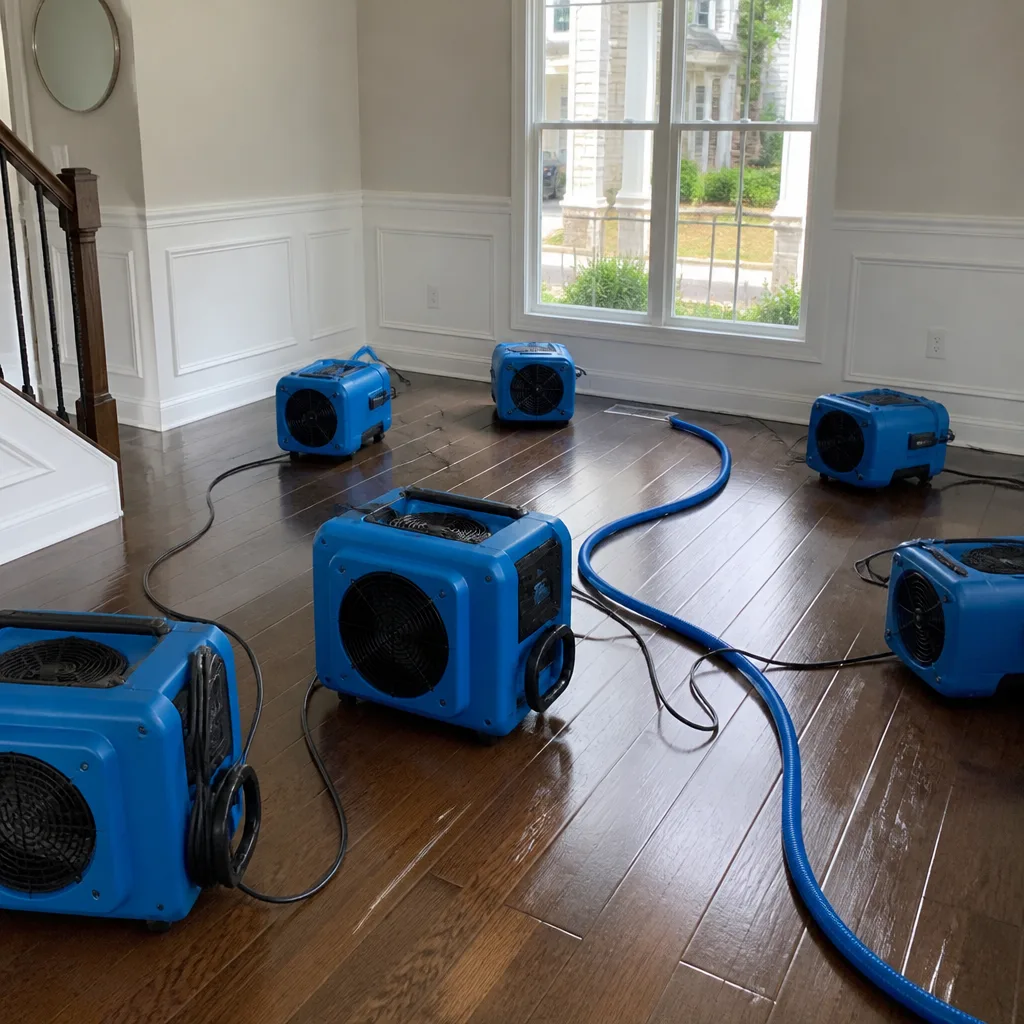 Water damage drying
 Fire & smoke cleanup
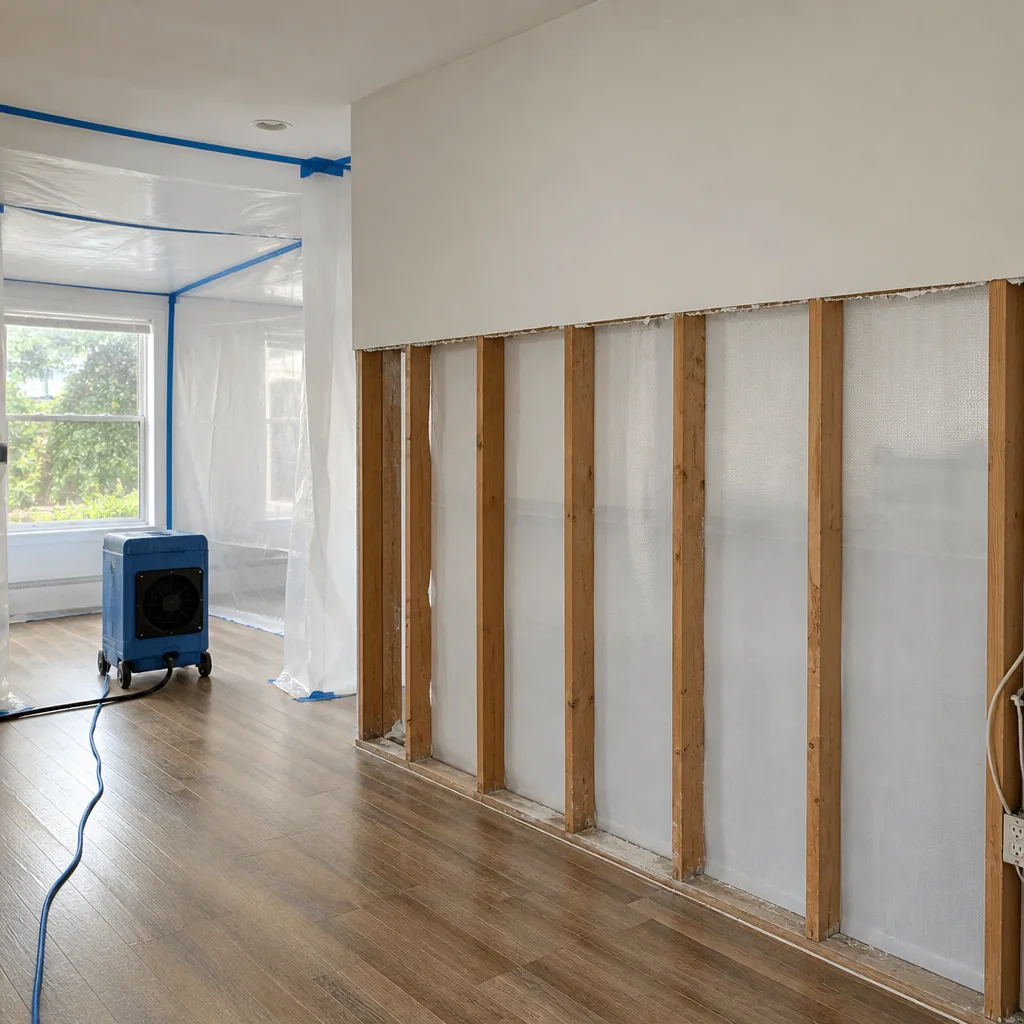 Mold remediation
 Storm response
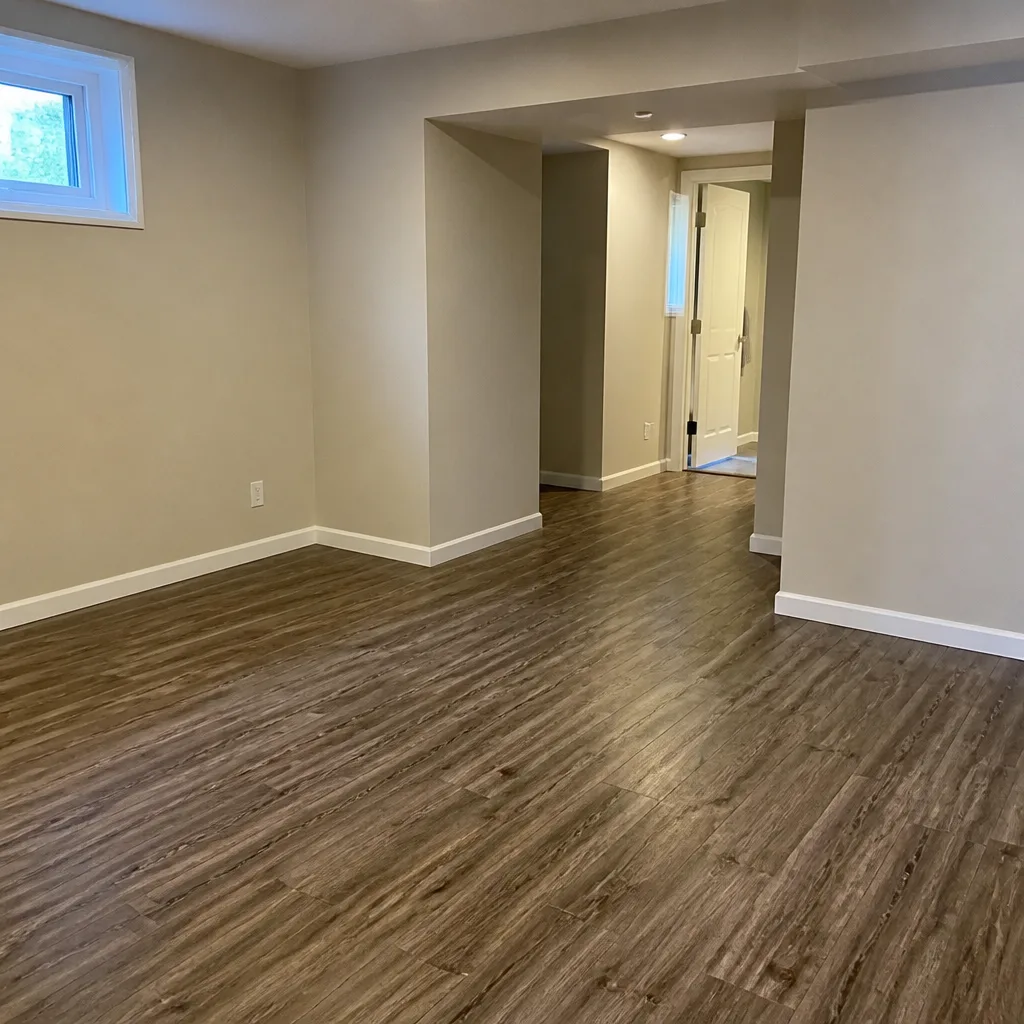 Sewage cleanup
 Reconstruction
Free visual inspection and a written scope of work before any mitigation begins - photos, moisture readings, and drying logs go in your claim file
The scope we write is the scope we bill. Anything new gets shown to you, in writing, before we touch it.
Get your free estimateDamage Restoration Warning Signs: A Miami Homeowner’s Reference Guide
Here’s the uncomfortable truth about water damage in Miami: by the time you see a stain on your interior drywall, the moisture behind it has usually been there for weeks. In a city built largely on CBS construction (concrete block and stucco), water travels through block cells and along mortar joints long before it ever reaches a surface you can see. This guide is written for homeowners who want to catch problems in that invisible window, before a $400 drying job becomes a $14,000 mold remediation and structural repair. For more guides & resources on protecting your Miami home, visit our blog. We’ll walk through the warning signs specific to Miami’s building stock, how to use a $30 tool to verify your suspicions, and what insurance adjusters actually look for when assessing whether a claim gets approved.
Restoration work we handle
Quick Answer
The earliest warning signs of water damage in Miami homes are rarely visible. Before you’ll ever see a stain, you may notice a faint musty-earthy odor, a spike of 10 – 15% in your water bill, exterior efflorescence (white salt deposits) on stucco, or cold spots on interior walls detectable with an infrared thermometer. In CBS construction, the most serious water intrusion happens inside concrete block cells, where moisture can sit for months without any visible evidence. If you detect any of these signs, a professional moisture assessment with thermal imaging and psychrometric readings typically costs between $150 and $400 in Miami and can prevent damage that climbs into five figures.
Table of Contents
- Why CBS Construction Hides Water Damage
- Efflorescence: The White Powder Warning
- What Mold Smells Like in Miami Homes
- The $30 Infrared Thermometer Test
- The Water Bill Tells You First
- Condo and Townhome Warning Signs
- Common Mistakes to Avoid
- When to Call a Professional
- Frequently Asked Questions
- The Bottom Line
Why CBS Construction Hides Water Damage
Miami’s building code has required concrete block and stucco (CBS) construction for most single-family homes since Hurricane Andrew in 1992. It’s excellent for wind resistance. It’s terrible for leak detection. Here’s what happens when water gets into a CBS wall: the outer layer is stucco, which is a cement-based render applied over the block. Behind that stucco is a scratch coat, then the concrete block itself. Concrete block is hollow. Those hollow cells run vertically through the entire wall, and they connect to the roof structure and, in some cases, to the foundation. When a roofline leak, window flashing failure, or pipe leak introduces water into that system, the water travels down through the block cells by gravity. It can move six or eight feet from the original entry point before it ever collects anywhere visible. This is why Miami restoration contractors routinely find mold inside walls that look perfectly dry from both sides.
What you can check: tap on suspect walls with the heel of your hand. A solid CBS wall produces a dull, firm thud. A wall section where the block cells are saturated or the stucco has delaminated from the substrate produces a hollow, almost drum-like sound. The difference is subtle, and you’ll need to compare against a known-dry section of the same wall. But once you hear it, you won’t forget it. Another tell is grout-line cracking in interior tile: when the block behind a tiled wall swells with moisture and then contracts during a dry spell, the grout lines will crack in a distinctive stair-step pattern that follows the block coursing underneath. That’s not normal settling. That’s moisture movement. We’ve seen this pattern in homes across Kendall, Pinecrest, Coral Gables, and Westchester, and it’s almost always the first visible sign of a problem that began much higher up the wall.
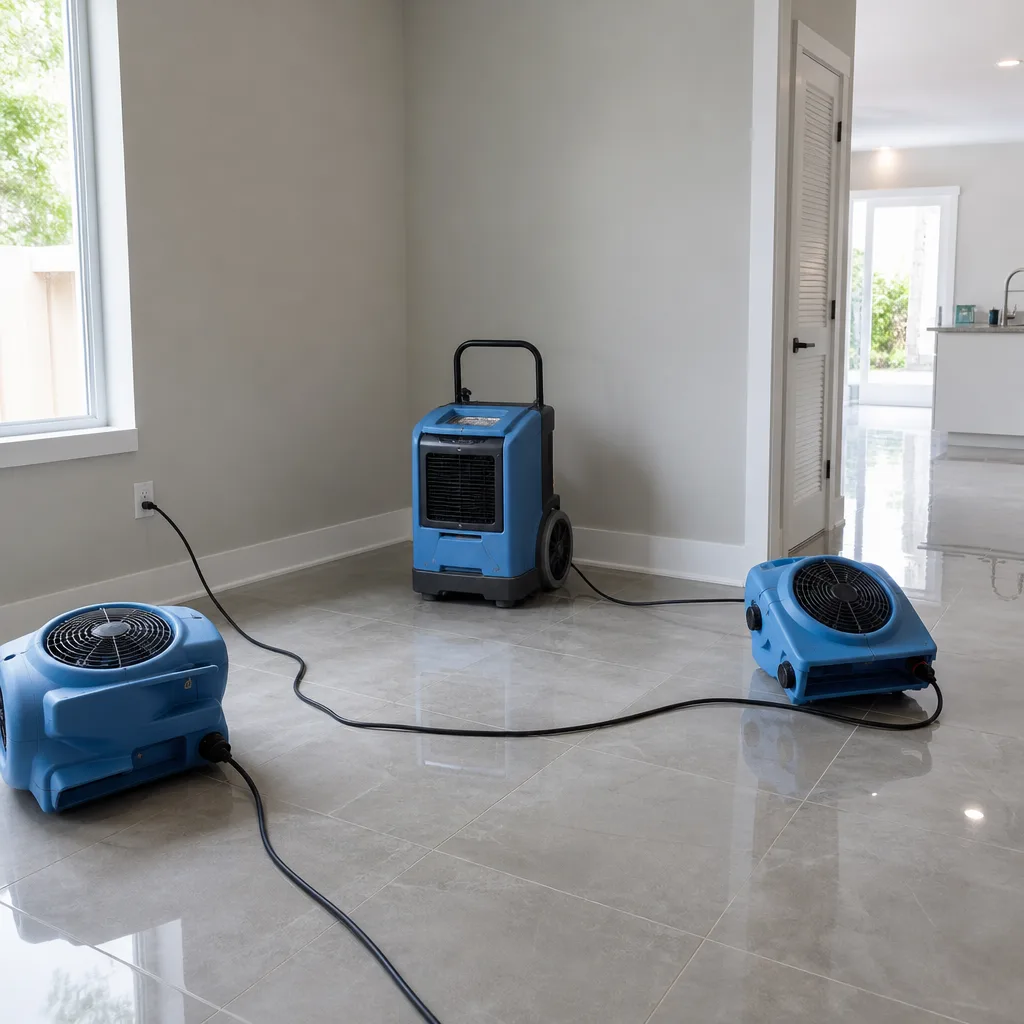
If you want to understand the full scope of what water damage restoration involves in this type of construction, our Water Damage Restoration in Miami page explains the drying process step by step. The short version: concrete block does not dry the way drywall does. You cannot simply point a fan at it and call it done. Block cells have to be measured individually, and professional drying equipment from companies like Dri-Eaz and Injectidry is designed specifically to move air through those cavities.
Efflorescence: The White Powder Warning
Efflorescence is a white, chalky, crystalline deposit that appears on exterior stucco, concrete block, and sometimes on interior masonry surfaces. In plain terms, it’s salt. Concrete block contains soluble salts. When water moves through the block, it dissolves those salts and carries them to the surface. When the water evaporates, the salts are left behind as that white powder. Efflorescence is not dangerous by itself. But it is direct, visible proof that water has been moving through your wall. It’s the wall’s way of telling you that moisture has been present in a place where moisture does not belong.
The key distinction Miami homeowners should understand: efflorescence on the exterior of a home that is a few years old may simply be the result of initial curing and normal rain exposure. That’s common and usually benign. But efflorescence that appears suddenly, spreads, or shows up on interior walls is a different matter. That indicates active, ongoing water intrusion. Once you’ve seen a fresh bloom of white powder on an interior block wall, you are not looking at a cosmetic issue. You are looking at the tail end of a moisture cycle that has already been running for weeks.
One more thing Miami homeowners should know: efflorescence often gets mistaken for white mold. They are completely different substances. Efflorescence is mineral salt and is inert. White mold is organic and is a health and structural concern. You can test the difference in ten seconds: scrape a small amount of the white material onto your finger. If it crumbles into a fine, dry powder, it’s efflorescence. If it’s soft, slightly damp, and smears, it’s mold. If it’s mold, that’s not a DIY project. Our Mold Remediation in Miami page covers what containment, removal, and verification involve, with pricing ranges for Miami properties.
What Mold Smells Like in Miami Homes
Your nose is a legitimate moisture detection instrument, and in Miami’s climate, it’s one you should learn to trust. Mold and bacteria produce volatile organic compounds (VOCs) as they grow and metabolize, and those VOCs have distinct smell profiles. Learning the difference between the two tells you something useful about what’s happening inside your walls.
The classic mold smell in a Miami home is what most people call musty. It’s earthy, damp, and sometimes compared to wet cardboard, old books, or the ground after rain. That smell indicates fungal growth, typically Aspergillus or Penicillium species, and it means moisture has been present long enough for spores to germinate and a colony to establish. In Miami’s heat and humidity, that can happen in as little as 48 to 72 hours. If you’re smelling musty-earthy in a specific room or cabinet, and the smell persists after cleaning, you are almost certainly smelling an active colony, not a stale odor. The location matters: a musty smell that’s strongest near the baseboard points to a slow plumbing leak or slab moisture wicking into the wall. A musty smell near the ceiling points to a roof or soffit leak.
A sharper, almost ammonia-like smell is a different warning. That’s the signature of active bacterial growth, most often associated with sewage backups or graywater from a dishwasher or washing machine. The smell is pungent and chemical rather than earthy. If you’re smelling ammonia, you’re not dealing with a slow-drip situation. You’re dealing with moisture that has pooled and sat, and that environment supports bacteria alongside mold. This smell profile indicates a more urgent situation because of the pathogens involved, which is why a restoration company with proper containment procedures and PPE matters. We’ve been called to homes in the Roads and Shenandoah where a dishwasher leak had been slowly draining into the wall cavity for a month, and the homeowner had been masking the smell with air fresheners. By the time we opened the wall, the base plate and the first several inches of the studs were saturated and decomposing.
One more Miami-specific note: always-on air conditioning can actually mask mold odors because cold air suppresses the volatility of the VOCs. If you notice a smell that gets stronger when the AC cycles off, that’s a meaningful diagnostic clue pointing to a moisture source inside the home, not something coming from outside.
The $30 Infrared Thermometer Test
You don’t need a $5,000 thermal imaging camera to confirm that your gut is right about a wet wall. A basic infrared thermometer, the kind you can buy online or at a hardware store for $30 to $40, will do it. Here’s the step-by-step method we teach Miami homeowners:
- Calibrate your baseline. Pick a wall in a room you know is dry, and take temperature readings at several points along that wall. Note the readings. That’s your control.
- Scan the suspect wall. Move the thermometer slowly across the surface, holding it 6 to 12 inches away, taking readings every few inches. Work in a grid pattern so you cover the whole surface systematically.
- Look for temperature anomalies. Moisture evaporates, and evaporation cools the surface. A wet or damp section of wall will read 3 to 10 degrees Fahrenheit colder than the surrounding dry area. That differential is your signal.
- Confirm with a second pass after a few hours. A cold spot caused by moisture will be consistent. A cold spot caused by an air conditioning vent blowing on that section of wall will also be consistent, so pay attention to airflow before you draw conclusions.
- Mark any cold spots you find. Use painter’s tape to outline the cold area. That gives any professional you call a head start on locating the source.
What the infrared thermometer won’t do is tell you how much moisture is in the wall, how deep it goes, or whether it’s active or old damage. For that, you need a professional moisture meter that reads in quantitative terms, and in a CBS home, you specifically need to probe the block cells themselves, not just the surface. That’s a service call, and it’s exactly the kind of assessment that answers the question of whether you have a $300 repair or a $30,000 restoration. See How to Hire a Damage Restoration Contractor in Miami: A Step-by-Step Guide to choose the right professional. In our experience, the infrared thermometer method catches about 70% of significant moisture problems in CBS construction, which is remarkable for a $30 tool. The other 30% require professional equipment.
The equipment we deploy on Miami jobs includes moisture probes and psychrometers from Dri-Eaz and extraction units from XPOWER and B-Air. These are the same tools used on large commercial losses, because residential water damage responds to the same physics as a flooded office building. The scale is smaller, but the tools don’t change.
The Water Bill Tells You First
The single most reliable early-warning system for water damage in Miami is a bill you already receive every month. Tracking your water usage monthly, and understanding what normal looks like for your household, can catch slab leaks and slow pipe leaks six months before you’d ever see a stain or smell a musty odor.
Here’s the specific threshold to watch: if your water bill increases by 10 to 15 percent and you cannot explain the increase by seasonal changes (irrigation, pool filling, visiting relatives), you have a problem. A steady, unexplained increase across two consecutive billing cycles is a strong indicator of a slow, continuous leak. In Miami, the most common culprit is a slab leak, which is a leak in the copper or PVC piping that runs through or under the concrete slab foundation. Slab leaks are particularly insidious because the water has nowhere to go except into the concrete, where it gradually saturates the slab, wicks up into the walls, and eventually manifests as floor cupping, baseboard staining, or that musty smell near the floor line that we described earlier.
A 10 percent increase on a typical Miami water bill for a family of four might be $8 to $15 per month. That’s easy to dismiss as noise. Don’t. By the time that slab leak has been running for a year, you’re often looking at a five-figure restoration project involving the slab, the flooring, the bottom plate of the walls, and potentially mold remediation inside the wall cavities. The monthly bill is the cheapest detection system you’ll ever have. We recommend setting a recurring calendar reminder to check your water bill against the same month last year, every single month. Five minutes. It catches more slab leaks than all the other warning signs on this page combined.
If your bill does spike and you confirm a leak, the restoration process typically involves leak detection, opening the slab or wall at the source, repairing the plumbing, and then drying the structure before rebuilding. The order of operations matters. We’ve seen cases where a plumber fixed a slab leak but left soaked building materials in place, and the homeowner ended up with mold inside the wall cavity three months later. A proper Marsh Water Damage Miami home restoration sequence treats the water damage as its own distinct phase, with drying verification before any rebuild begins.
Condo and Townhome Warning Signs
High-rise and mid-rise living changes the warning-sign calculus. In a single-family home, any water damage you find is almost certainly yours. In a Miami condo or townhome, the damage may originate in a neighboring unit, in the common elements, or in a shared plumbing chase. Understanding the difference matters because it determines who pays, and the distinction is not always what it first appears to be.
The entry-point distinction that insurance adjusters and restoration professionals look for: if you see water staining, bubbling paint, or mold growth that is concentrated at a wall you share with a neighboring unit, or at the base of a wall where plumbing risers run between floors, the source is more likely external to your unit. If you see damage that is concentrated in the middle of your own ceiling, below your own bathroom or kitchen, or around your own windows and doors, the source is more likely internal to your unit. The entry-point pattern is the single most important piece of evidence in determining liability, and you should photograph it thoroughly before any remediation begins.
In Miami condo buildings, the most common external sources we see are: failed waterproofing membranes on balconies above, cracked or clogged plumbing risers that run vertically through the building, HVAC condensate overflow from the unit above, and window sealing failures that let wind-driven rain into the common wall assembly. Wind-driven rain is a Miami specialty: when a storm pushes rain horizontally at 50 to 70 mph, it finds entry points that would never leak in normal conditions. That’s why it’s important to document damage immediately after any significant storm event, including the date and the weather conditions. That timestamp is often the difference between a successful insurance claim and a denied one.
Storm damage of this type is a distinct restoration category with its own protocols, and our Storm Damage Restoration in Miami page covers what to expect when Miami gets hit, from tarping to structural drying to insurance coordination. The short version: water intrusion after a storm is not the same as a plumbing leak, and the drying strategy is different because the water often carries particulates, salt spray in coastal buildings, and sometimes sewage from compromised infrastructure.
One more condo-specific warning sign that gets missed constantly: listen for running water in the walls. In a quiet condominium unit, a plumbing leak in a shared riser or in the unit above will often produce the sound of trickling or running water inside a wall, even when all your own fixtures are off. That sound, especially when it’s intermittent and unconnected to your own water use, is a warning sign that warrants a call to your building management immediately. Document the call. Written documentation of when you first reported the sound can protect you later when the question of who knew what and when comes up.
Common Mistakes to Avoid
- Painting over a water stain before finding the source. A fresh coat of paint hides the evidence but does nothing to stop the moisture. In Miami’s humidity, moisture trapped behind paint will feed mold and blister the new paint within weeks. Find the source first, dry the structure, then paint.
- Assuming a small stain means a small problem. In CBS construction, a 6-inch stain on an interior wall frequently traces back to a leak 8 feet away, with saturated block cells in between. The visible stain is the exit point of the water’s journey, not the map of the problem.
- Treating musty smells with air fresheners or ozone sprays. Masking a mold smell doesn’t remove the mold. The moisture source is still there, the colony is still growing, and every week of delay increases the scope of remediation.
- Dismissing a 10% water bill increase as seasonal noise. In Miami, irrigation needs vary by season, but indoor water use should be consistent. An unexplained bump is a leak until proven otherwise.
- Filing an insurance claim before documenting the damage. Take photos and videos of the visible damage, the entry point, and the surrounding area before any cleanup begins. Once materials are removed or dried, the evidence is gone, and your adjuster has less to work with.
- Drying the visible surfaces and calling it done. Carpet may feel dry to the touch while the pad underneath is saturated and the subfloor is wicking moisture into adjacent rooms. Professional drying requires measuring the moisture level in the materials, not just on top of them.
- Accepting a verbal quote without a written price. In the restoration industry, verbal estimates have a way of growing once demolition starts and the full scope is revealed. A written price before work begins, with a written guarantee on the repair, is the minimum standard you should accept from any Miami restoration contractor.
When to Call a Professional
Some signs are actionable on your own: a quarterly check for efflorescence, monthly water bill tracking, a periodic infrared scan. But the moment you confirm moisture is present, or you find mold, or you hear running water in a wall where no water should be running, the DIY window has closed. Read our DIY vs Professional Damage Restoration: The Miami Homeowner’s Decision Guide to understand when to call in experts. Water damage restoration is not a caulking project. It requires moisture meters to map the full extent, containment to prevent cross-contamination during mold work, commercial drying equipment to dry the structure to an objective standard, and documentation for your insurance claim. Marsh Water Damage Miami offers free estimates in Miami, and every technician arrives under the Threshold Verified standard: background-checked, identity-verified, and sent to you by name and photo before the visit. Call (689) 888-7601 and a live person will answer, 24 hours a day, including holidays.
Frequently Asked Questions
Most residential water extractions in Miami run between $1,200 and $4,500, which covers water removal, equipment setup, and structural drying for a typical single-room incident. Larger jobs involving multiple rooms, sewage contamination, or mold remediation run between $6,000 and $18,000. Slab leak restorations with floor removal and replacement can exceed $25,000. Every Marsh Water Damage Miami job receives a written price before any work begins, so there are no surprises after demolition starts. Call (689) 888-7601 for a free estimate on your specific situation.
In Miami’s climate, mold spores can germinate and establish active growth within 48 to 72 hours of water intrusion, and visible colonies can develop within one to two weeks. The speed depends on the material: drywall and carpet support growth faster than concrete or tile. This timeline is why professional drying, not just surface cleaning, is the correct response to any significant water event.
Water damage restoration addresses the immediate water: extraction, drying, and structural stabilization. Mold remediation addresses the fungal growth that results when water damage is not properly dried or when moisture persists over time. In Miami, the two are often handled together because the window between water damage and mold growth is so short. If mold is present, containment, HEPA filtration, and proper removal protocols are required before rebuilding can begin.
Florida homeowners insurance typically covers sudden and accidental water damage, such as a burst pipe or storm-related roof leak. It typically does not cover gradual damage from a slow leak that went unrepaired, which is why early detection and documentation matter so much. Marsh Water Damage Miami documents every job photographically and can coordinate directly with your insurance adjuster to ensure the full scope is documented for your claim.
Yes. A $30 infrared thermometer used to scan for cold spots, a monthly water bill comparison, a visual check for efflorescence, and a smell check for musty or ammonia notes are all effective detection methods that require no professional training. These methods catch a meaningful percentage of water problems early. What they cannot do is quantify moisture content inside CBS block cells, which requires professional moisture meters and probes.
Marsh Water Damage Miami answers every call with a live person, 24 hours a day, 7 days a week, including holidays. Water damage doesn’t wait for business hours, and neither do we. In most Miami neighborhoods, a technician can be on site the same day you call, and the specific technician’s name and photo are sent to you before they arrive. Call (689) 888-7601 and you’ll speak to a person immediately.
The Bottom Line
Water damage in Miami hides. CBS construction conceals it, air conditioning masks the smell, and the difference between a quick fix and a catastrophic restoration often comes down to weeks of detection delay. Track your water bill every month. Check for efflorescence on exterior and interior masonry. Use a $30 infrared thermometer on walls when something feels off. Trust your nose, especially when the AC is off. For a complete maintenance calendar, see our Seasonal Damage Restoration Care for Miami: Year-Round Homeowner’s Guide. And if any of these signs point toward moisture, act the same day. The cost of a professional assessment is a rounding error compared to the cost of a wall cavity that has been quietly growing mold for six weeks. Marsh Water Damage Miami has been serving Miami homeowners since 2005 with written prices, written guarantees, and technicians who are background-checked, identity-verified, and sent by name and photo before they arrive. Call (689) 888-7601 for a free estimate.
Written by Tobias Reyner, Owner at Marsh Water Damage Miami, serving Miami since 2005.
See the difference
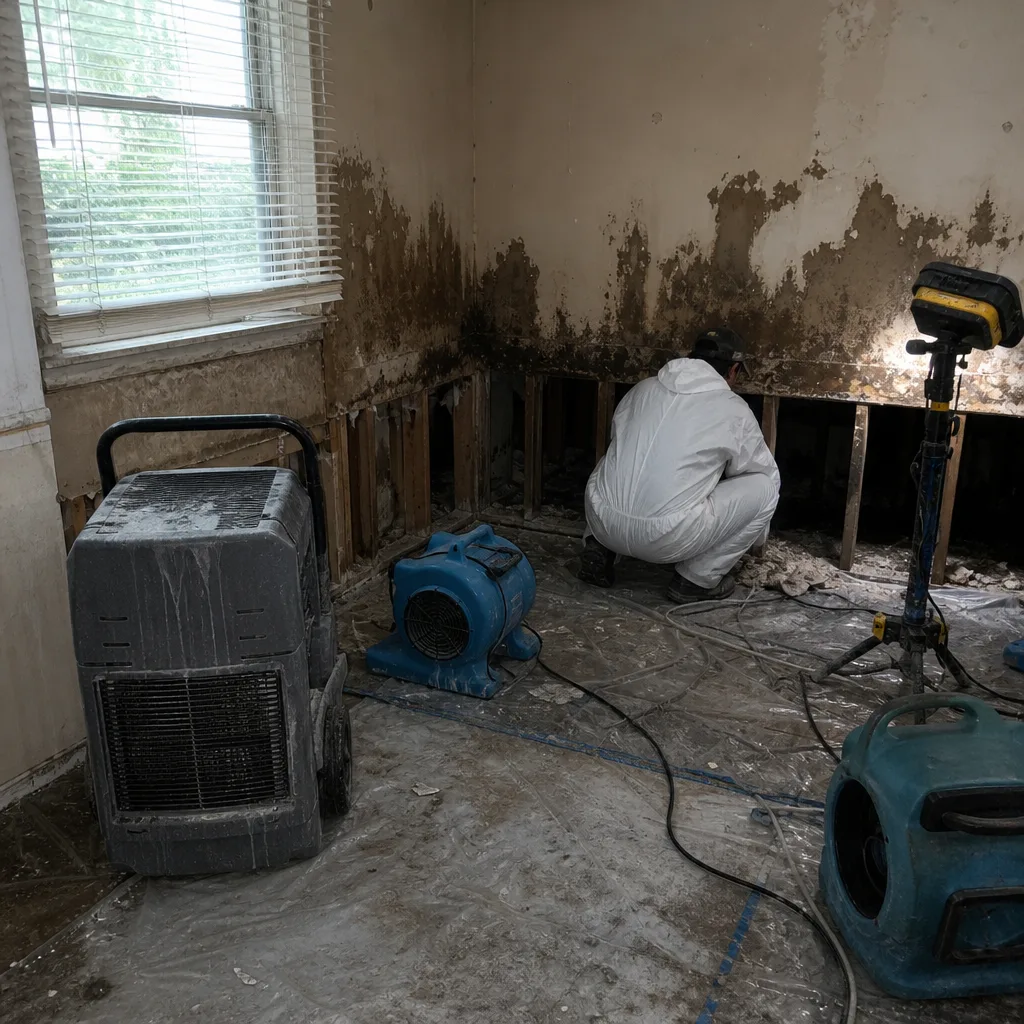 Before
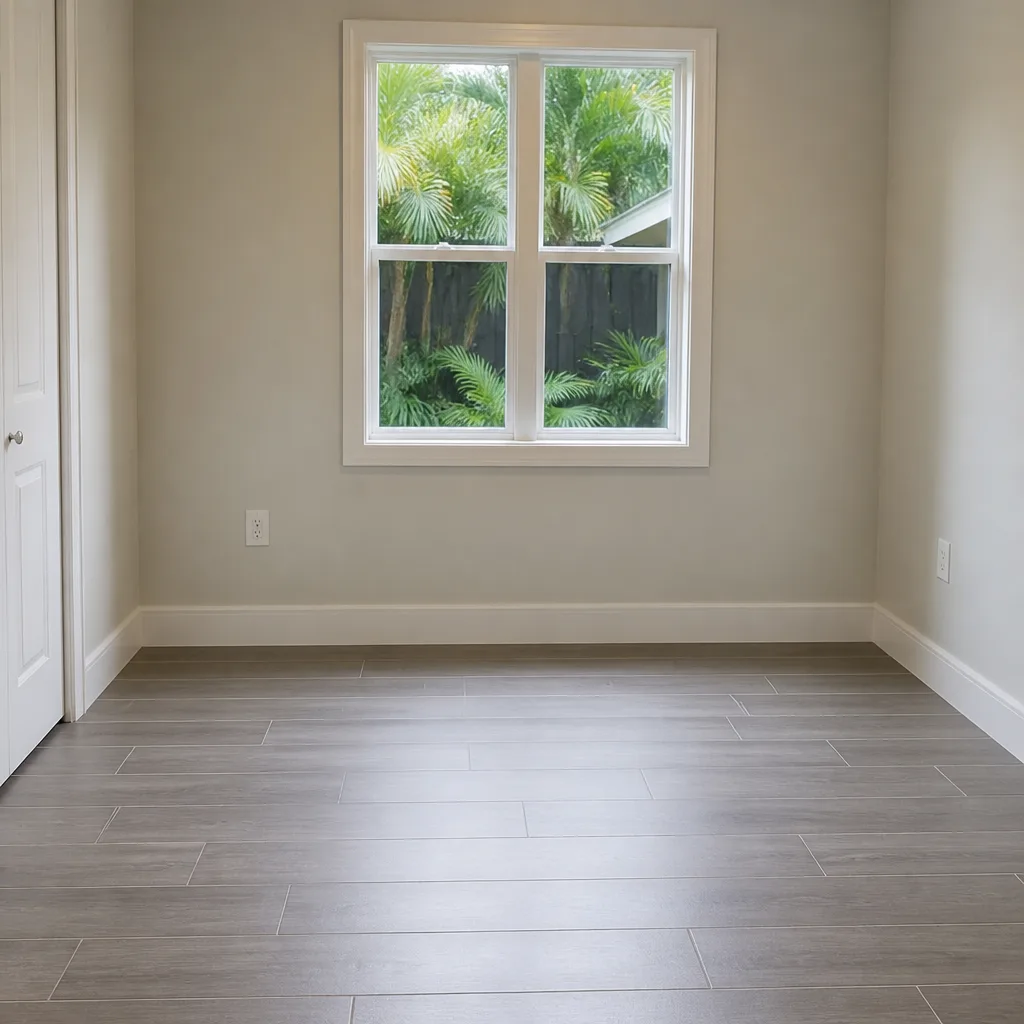 After
After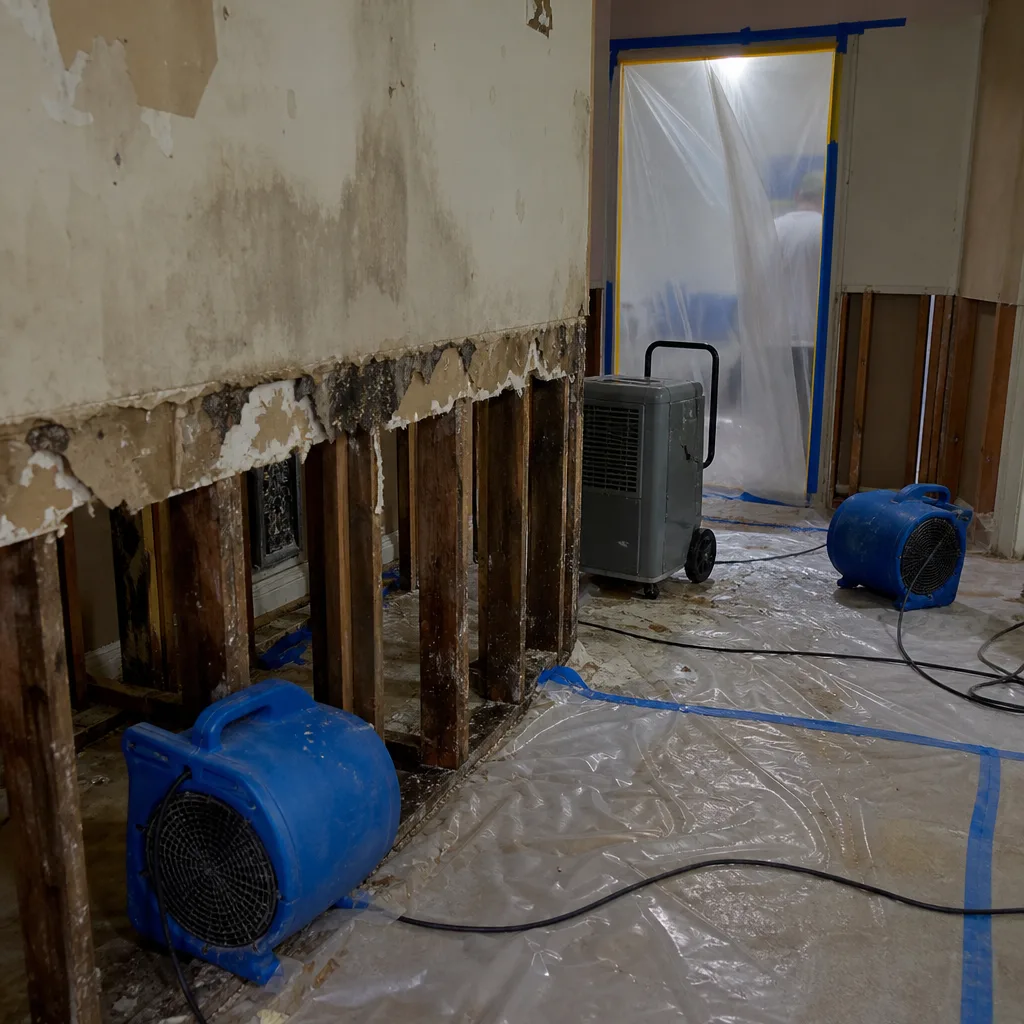 Before
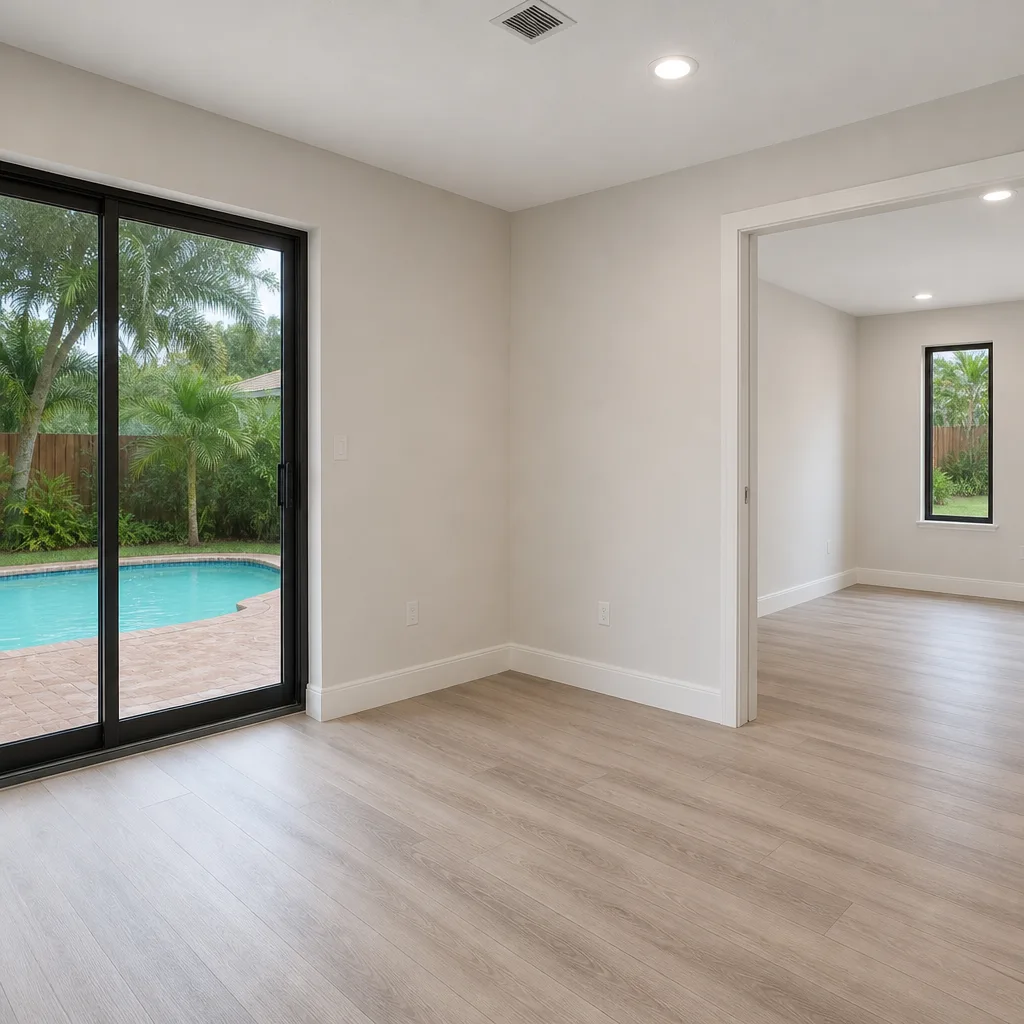 After
After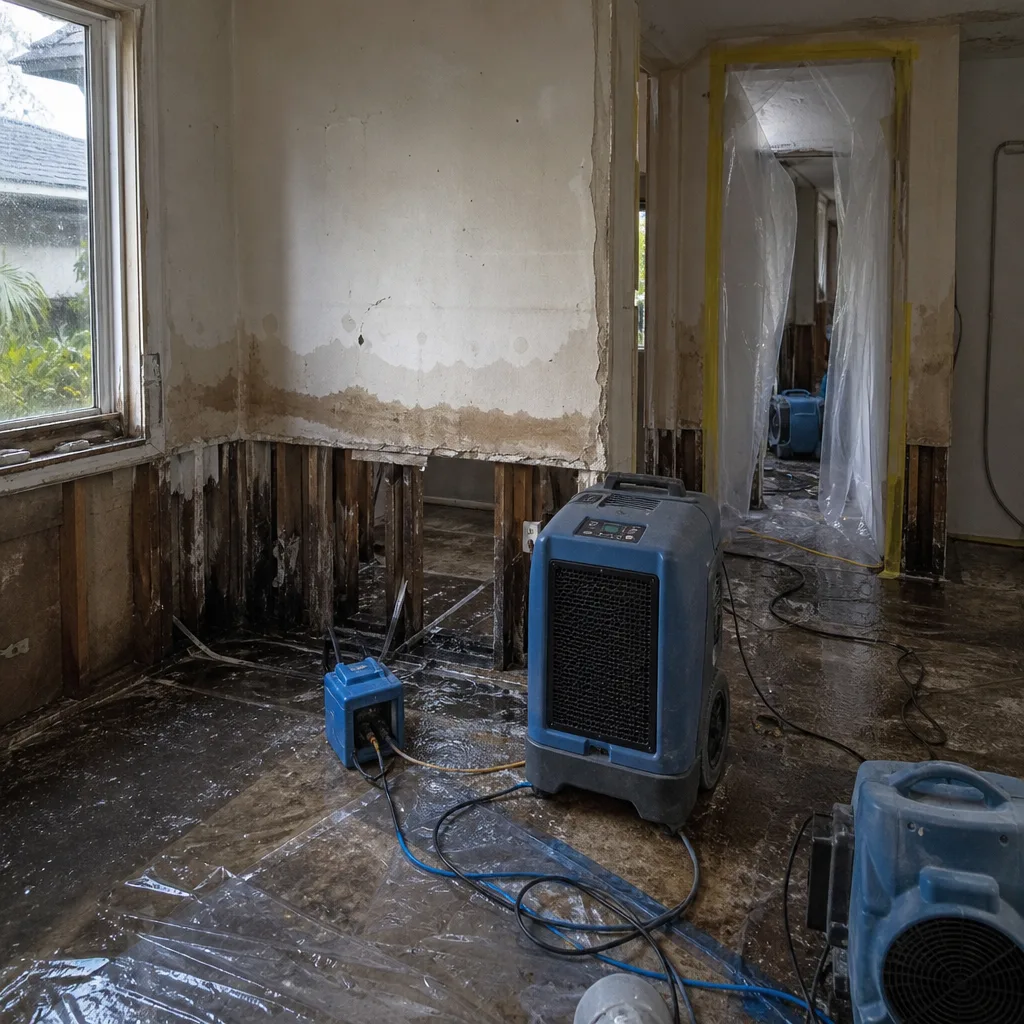 Before
 After
After