
Last updated October 16, 2026
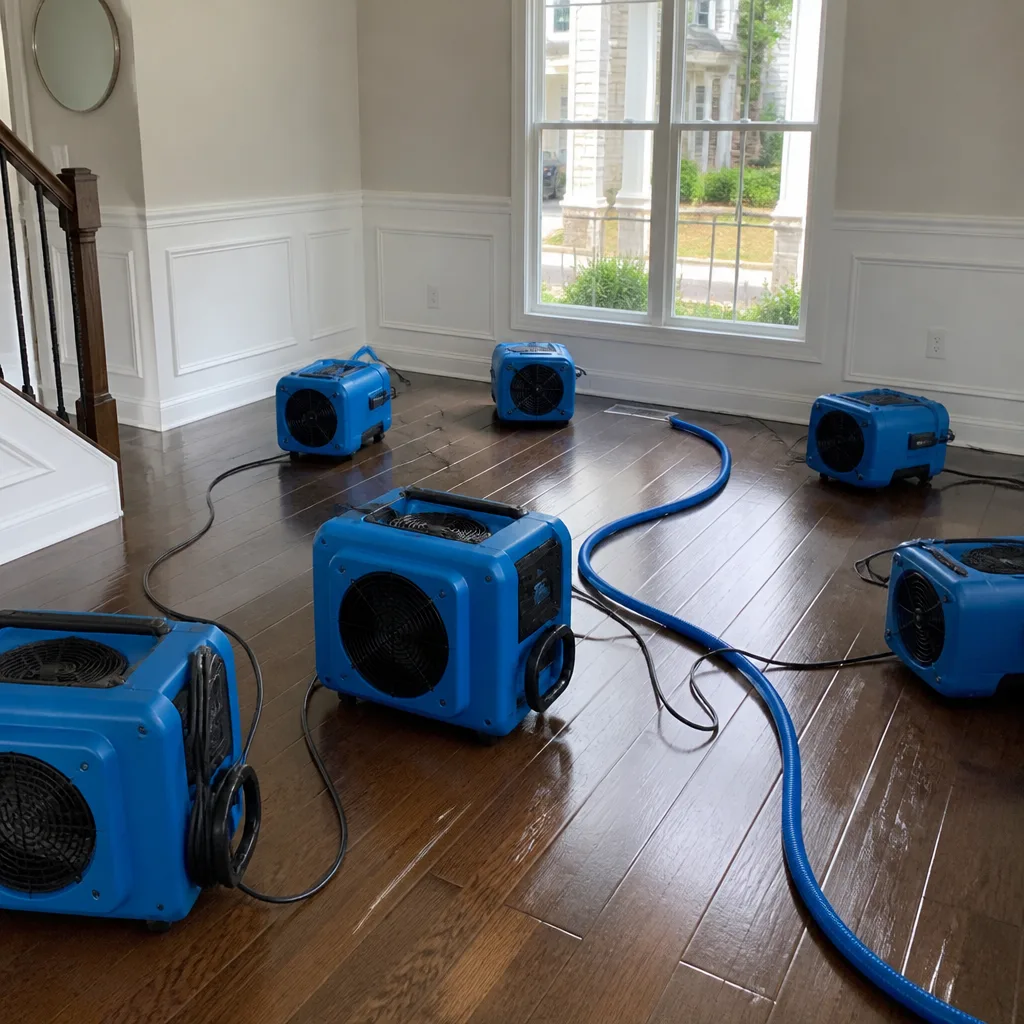 Water damage drying
 Fire & smoke cleanup
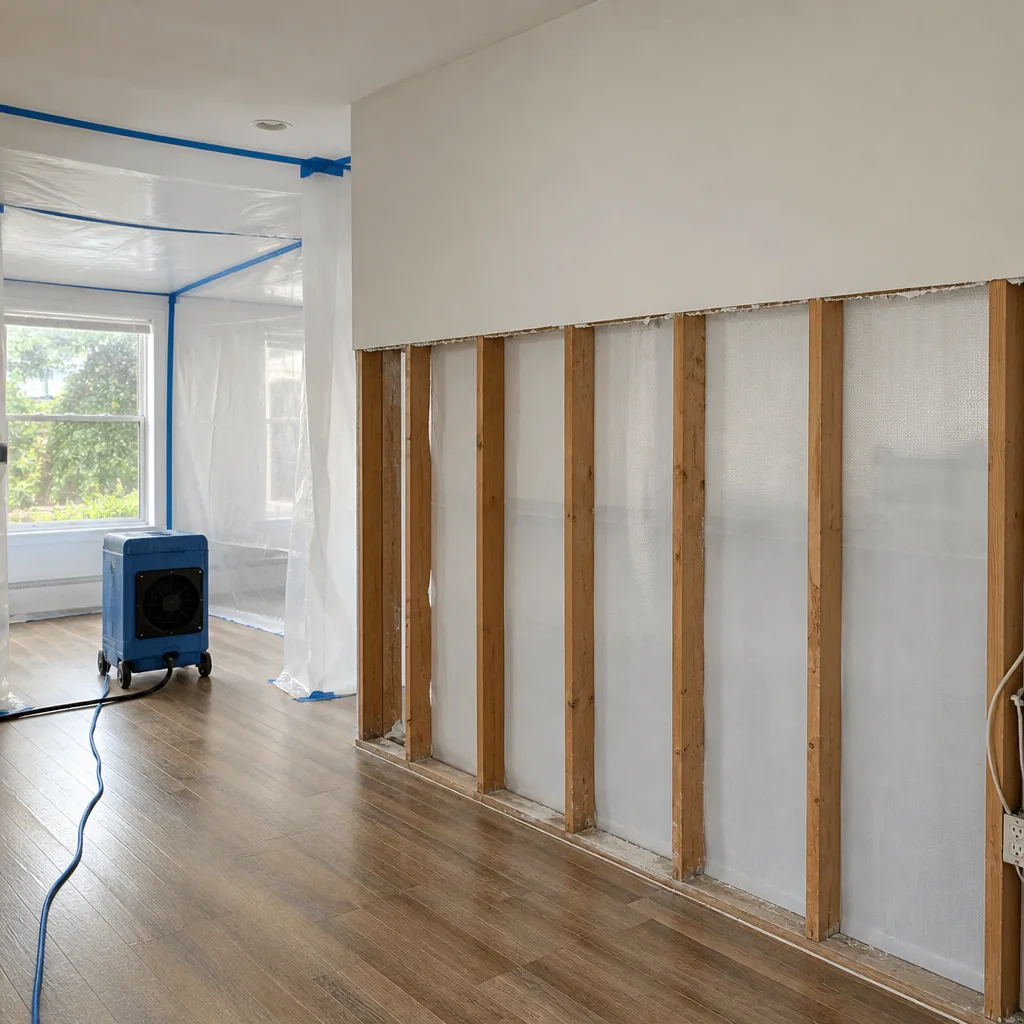 Mold remediation
 Storm response
 Sewage cleanup
 Reconstruction
Free visual inspection and a written scope of work before any mitigation begins - photos, moisture readings, and drying logs go in your claim file
The scope we write is the scope we bill. Anything new gets shown to you, in writing, before we touch it.
Get your free estimateDamage Restoration Cost Breakdown: The Miami Homeowner’s Reference for 2026
Most national cost guides will tell you water damage restoration runs $3,000 to $7,000. That number is nearly useless in Miami-Dade County. Between permit fees that trigger at lower thresholds than most Florida counties, disposal rates for mold-contaminated drywall that run 30 to 40 percent above state averages, and a labor market competing with ongoing coastal construction, Miami jobs routinely land $1,200 to $2,500 higher than identical work in Tampa or Orlando. This guide breaks down real Miami-Dade restoration costs by damage category, square footage, and job type; for Damage Restoration Permits, Codes & Inspections in FL: What You Need to Know, see our companion guide. We also show you exactly which line items on an invoice are legitimate and which are padding.
Restoration work we handle
Quick Answer
In Miami-Dade, expect to pay roughly $4.50 to $7.50 per square foot for Category 1 clean water extraction and drying, $6 to $12 per square foot for Category 2 gray water jobs, and $12 to $22 per square foot for Category 3 black water or Category 2 that has sat beyond 48 hours. A typical 500-square-foot affected area therefore runs: $2,250 to $3,750 for clean water, $3,000 to $6,000 for gray water, and $6,000 to $11,000 for black water. These numbers include Miami permit fees, disposal, drying equipment, and labor at 2025-2026 rates.
Table of Contents
- Job-Type Cost Matrix: What Each Damage Category Actually Costs in Miami
- The Miami-Specific Cost Adders Most Quotes Don’t Itemize
- How to Read a Restoration Invoice in Miami
- Insurance Claim Reality Check for Miami Homeowners
- The Written Price Guarantee: What It Must Contain to Hold Up
- What You Can Safely Handle Yourself Versus What Needs a Pro
- Common Mistakes to Avoid
- When to Call a Professional
- Frequently Asked Questions
- The Bottom Line
Job-Type Cost Matrix: What Each Damage Category Actually Costs in Miami
The single biggest variable in any restoration estimate is the water category. Insurance adjusters and restoration contractors use three classifications defined by the IICRC, the restoration industry’s standard-setting body. In Miami, the distinction matters more than in drier climates because our humidity compresses the timeline: Category 2 water becomes Category 3 faster here than almost anywhere else in the country.
Category 1: Clean Water. This is water from a supply line, a faucet left running, a water heater tank that cracked without contamination, or rainwater that entered through an open window. No sewage, no chemicals. This is the cheapest category to remediate. In Miami-Dade, expect to pay:
- Extraction and drying only (no rebuild): $4.50 to $7.50 per square foot
- Extraction, drying, and baseboard replacement: $8 to $11 per square foot
- Extraction, drying, flooring replacement (tile or luxury vinyl): $12 to $18 per square foot
- Full mitigation plus rebuild (drywall, paint, flooring): $18 to $28 per square foot
Category 2: Gray Water. Water with some contamination: washing machine overflow, dishwasher discharge, toilet overflow with urine only, or sump pump failures. Contains microorganisms but not feces. In Miami’s heat, Category 2 water that sits longer than 48 hours degrades to Category 3 because bacteria multiply fast in warm, humid conditions. Expect:
- Extraction, antimicrobial treatment, drying: $6 to $12 per square foot
- Full mitigation plus rebuild: $22 to $35 per square foot
- In Miami, add $400 to $800 for faster drying cycles because ambient humidity slows evaporation; techs typically run multiple dehumidifiers (often B-Air or Phoenix units) on every affected room, not just one per floor.
Category 3: Black Water. Sewage, floodwater from outside, seawater intrusion, or any water that has sat long enough to grow bacteria. This is the most expensive category and the one where cutting corners has the worst consequences. In Miami-Dade, black water jobs require:
- Full PPE and containment: $300 to $600 per affected room
- Removal and disposal of all porous materials (drywall, carpet pad, insulation): $4 to $8 per square foot for the demo alone
- Antimicrobial treatment and drying: $3 to $5 per square foot
- Rebuild: $15 to $30 per square foot depending on finishes
- Miami-Dade disposal fees for contaminated materials: $85 to $160 per ton above standard construction waste rates
The takeaway: a 500-square-foot kitchen and living room hit by a sewage backup in a 1970s Kendall home will typically land between $9,000 and $14,000 after rebuild. The same square footage from a supply line leak in a 2005 Doral condo might run $4,500 to $6,000. The category, not the square footage, drives the bus.
The Miami-Specific Cost Adders Most Quotes Don’t Itemize
Any restoration estimate includes line items for labor, equipment, and materials. But Miami-Dade adds costs that contractors in other Florida counties rarely mention because they assume you won’t think to ask. Here are the four biggest ones.
1. Asbestos testing on pre-1980 homes. A large share of Miami’s housing stock predates 1980, particularly in neighborhoods like Shenandoah, Coral Way, and the Upper East Side. Florida law requires testing for asbestos before any demolition that disturbs more than a small threshold of material. In Miami-Dade, that testing runs $350 to $700. If asbestos is found, abatement adds $8 to $15 per square foot on top of the restoration work. This is not an optional line item; it’s a legal requirement, and any contractor who skips it leaves you with a liability that will surface at resale.
2. Lead paint protocols. Homes built before 1978 fall under EPA’s Renovation, Repair and Painting rule. In Miami, many pre-1978 homes are concentrated in older, historically designated districts. Full lead-safe work practices add $3 to $7 per square foot to any rebuild. If your contractor is not certified for lead-safe work, they cannot legally work on those surfaces.
3. Miami-Dade permit fees. Miami-Dade requires permits for structural repairs, drywall replacement beyond cosmetic patches, and any electrical or plumbing alteration. Permit fees vary by municipality but generally run $200 to $600 for a typical restoration job. Some contractors roll this into the estimate; some add it as a separate line. If your quote doesn’t mention permits at all, ask whether they’re included. Final inspections can also add delay: Miami’s building department is busier than most Florida counties, so factor in two to four extra days on a rebuild.
4. Licensed mold assessor fees. Florida law requires a licensed mold assessor, separate from the remediation company, to evaluate mold conditions when they exceed 10 square feet. Assessment fees run $250 to $500. Post-remediation clearance testing adds another $200 to $400. Any company that offers mold remediation without mentioning an independent assessor is not following Florida statute. For Mold Remediation in Miami, this assessor split is non-negotiable.
One thing we tell every homeowner during an assessment: ask whether the quote includes the permit, the disposal, and the assessor fee. If not, those costs will appear as change orders after the work begins. A written price that covers everything upfront is the only kind worth signing.
How to Read a Restoration Invoice in Miami
After 20 years in Miami-Dade restoration, we’ve reviewed thousands of competing invoices. Legitimate line items are specific: equipment counts, drying days, square footage of disposed material, labor hours. Padding items are vague and repetitive. Here’s the difference.
Legitimate line items you should see:
- Equipment rental by unit and day. A real invoice says “Dri-Eaz LGR 3500i dehumidifier, 3 units, 4 days.” A padded invoice says “drying equipment – 1 week.”
- Labor hours by trade. “Tech: 6 hours extraction” is real. “Restoration services” with no hours attached is not a labor line; it’s a fee wearing a costume.
- Disposal by weight or cubic yards. Miami-Dade landfills charge by the ton. If your invoice says “disposal fee” without weight, that’s a flat markup, not a pass-through.
- Permit fee with the municipal permit number. The number is the proof. No number, no permit.
- Antimicrobial treatment with the product name. Real invoices name the chemical. In Miami, where mold returns fast, the product matters.
Padding items to question:
- “Project management” fees above 10 percent on jobs under $20,000. Some oversight is legitimate; 20 percent is not.
- “Emergency response” or “after-hours dispatch” fees when you called during normal hours. Water damage response in Miami is a 24-7 business. If the company advertises 24-7 service, charging extra for the call is double-dipping.
- Repeated “sanitizing” or “fogging” line items that appear on every room without explanation. One antimicrobial treatment with documentation is standard; treating every room three times without a moisture map is billing theater.
- “Supervisor” or “lead tech” fees billed separately from labor. Supervision is overhead; if it appears as a separate line, push back.
- Water that entered through an opening left unsealed for more than 14 days (common with vacation condos in Brickell or Sunny Isles)
- Flood water without a separate NFIP flood policy (hurricane storm surge is flood water under insurance law, not “water damage”)
- Mold remediation beyond a small sub-limit, often $2,000 to $5,000, unless the mold resulted from a covered water loss
- Gradual leaks that should have been caught earlier, including slow pipe drips behind walls
- A defined scope of work by trade. Not “dry kitchen and adjacent areas” but “remove 240 sq ft of drywall to 2 ft above water line in kitchen, east wall and north wall; dispose of affected material; set 2 dehumidifiers and 3 air movers for 4 days.”
- A fixed total price with the dollar amount written out. If the price has an asterisk and a caveat about “unforeseen conditions,” that’s a budget, not a price.
- A schedule with start and completion dates. Florida law allows reasonable delays, but “we’ll get to it” is not a schedule.
- Payment terms tied to milestones, not upfront percentages. Legitimate Miami restoration companies typically collect a deposit, then payment at equipment removal, then final payment at rebuild completion.
- The permit number or a statement that permits are included. Miami-Dade inspectors will ask. Your contract should answer before they do.
- Waiting to call because you’re not sure insurance covers it. In Miami’s humidity, a Category 1 event becomes Category 2 within 48 hours. Coverage questions can be answered after mitigation starts; mold that grows while you wait becomes a coverage question of its own.
- Accepting a verbal estimate. Florida law gives verbal estimates no legal weight. If the contractor won’t put the price in writing before work starts, that’s your answer about how the rest of the job will go.
- Using a contractor who also does the mold assessment. Florida requires the mold assessor to be separate from the remediator. If one company offers both, that’s a statutory problem.
- Not asking about permits. Unpermitted restoration work in Miami-Dade becomes a title defect when you sell. You’ll pay for the permit twice: once in the contractor’s markup, once in the resale correction.
- Letting the contractor bill the insurance company directly without you seeing the invoice. Inflated line items eat your policy limit. You should see every invoice before it’s submitted.
- Signing a contract with a “contingency fee” for insurance negotiation. Florida prohibits public adjusters and contractors from taking a percentage of the claim in most restoration scenarios. A flat fee is fine; a percentage is probably illegal.
- Choosing the lowest bid on a black water job. Sewage jobs require containment, proper disposal, and antimicrobial treatment. The low bid is low because something is being skipped, and in Miami, what gets skipped is usually disposal or drying days.
Predatory contractors target insurance-claim jobs because adjusters work from the same invoice. If a contractor builds an invoice that uses insurance-approved line items but inflates quantities, the insurer pays, and the homeowner’s policy limit gets consumed. In Miami, where a single sewage job can eat a $10,000 policy limit, every inflated line item reduces what’s left for the rebuild.
Insurance Claim Reality Check for Miami Homeowners
Miami homeowners carry some of the highest property insurance premiums in the country. The coverage, however, is narrower than most people assume. Understanding the ACV versus RCV distinction is the single most important thing you can do before filing a water damage claim.
Actual Cash Value (ACV) pays you the depreciated value of what was damaged. A 10-year-old water heater that costs $900 to replace might have an ACV of $250 because the insurer deducts a decade of depreciation. Replacement Cost Value (RCV) pays what it actually costs to replace the damaged item or material at today’s Miami prices.
Policies vary. Some Miami-Dade policies cover the water heater at ACV but the flooring at RCV; some cover everything at ACV until you complete the work, then release the RCV difference as a second check. The key detail: most Miami policies require you to complete the replacement work before paying the RCV difference. That means you front the gap between ACV and RCV. On a $12,000 black water rebuild, that gap is often $4,000 to $6,000. Ask your adjuster for the ACV/RCV breakdown in writing before you sign any contract.
What Miami policies typically exclude:
When an adjuster is involved, we photograph everything, document moisture readings in writing, and provide the adjuster with the same line-item detail you see. Direct adjuster coordination matters in Miami because the local claims volume means adjusters move fast; a contractor who knows how to give them the documentation in the format they expect gets claims approved faster. Marsh Water Damage Miami handles this every week, and we’re the Marsh Water Damage Miami home for claims documentation done right.
The Written Price Guarantee: What It Must Contain to Hold Up
In Florida, verbal estimates from restoration contractors carry no legal weight. The state’s construction lien statute is specific: without a written contract that includes scope, price, and schedule, you cannot enforce anything against the contractor, and the contractor cannot enforce a lien against you. That cuts both ways. A verbal price protects no one.
A written price worth signing in Miami-Dade contains five elements:
Marsh Water Damage Miami prints these five elements on every work order. Our 365-Day Done Right Promise is a standing guarantee: if the repair is not right within a full year, we come back and make it right, and the second visit is free. That promise has no conditions beyond the term itself. We’ve done this since 2005 because a written price and a written guarantee are the only two documents that survive a dispute.
What You Can Safely Handle Yourself Versus What Needs a Pro
Some Miami homeowners can handle a small Category 1 event themselves. A supply line leak caught within hours, on tile floors, with no water up the drywall, in a room with cross-ventilation. That’s a mop, fans, and a dehumidifier job. What you cannot safely handle yourself: anything involving sewage, anything where water has wicked up drywall, anything with standing water in contact with electrical outlets, or any water event inside a pre-1980 Miami home where the drywall may contain asbestos.
Mold is the boundary line. If the affected area is under 10 square feet and the surface is non-porous, you can clean it with soap and water. If it’s over 10 square feet, Florida law requires an assessor and a licensed remediation company. In Miami, where mold spreads in days, not weeks, the 10-square-foot threshold gets crossed fast.
We run professional drying equipment from Dri-Eaz, Phoenix, XPOWER, B-Air, and Injectidry, operated by technicians credentialed through IICRC, RIA, and IFA. That’s the same gear used on commercial losses. The reason matters less for brand romance and more for physics: consumer-grade fans move air over the surface; professional equipment, like the Injectidry systems we use for hard-to-reach cavities, extracts moisture from inside wall cavities and under cabinets. Getting the structure genuinely dry, not just dry to the touch, requires psychrometric readings (measuring the moisture in the air) to confirm the structure has returned to its baseline moisture content. That’s the difference between a room that smells fine for two weeks and a room that stays dry for two decades.
Common Mistakes to Avoid
When to Call a Professional
Call a restoration company in Miami the moment you notice water where it shouldn’t be and the source is not a single fixture you can shut off. Standing water in contact with baseboards, water traveling across a room, water coming from a ceiling, any smell of sewage, or any visible mold larger than a dinner plate all meet that threshold. The rule is simple: if the water source is unknown, if the water has touched drywall or flooring, or if the event happened while you were away for more than a day, call. Marsh Water Damage Miami offers free estimates in Miami. Call (689) 888-7601 and a live person answers, day or night, including holidays. For storm-related issues, see our Storm Damage Restoration in Miami page for hurricane and wind event specifics.
Frequently Asked Questions
Expect $4.50 to $7.50 per square foot for Category 1 clean water mitigation, $6 to $12 for Category 2 gray water, and $12 to $22 for Category 3 black water, including Miami-Dade permit fees and disposal. A typical 300-square-foot clean water job runs $1,350 to $2,500 before any rebuild; the same square footage as black water runs $4,000 to $7,500. Call (689) 888-7601 for an exact written quote, free of charge.
Most Miami-Dade homeowners policies cover sudden and accidental water damage from supply lines, water heaters, washing machines, and air conditioner overflows, but exclude flood water, gradual leaks, and mold beyond small sub-limits. Your payout depends on whether your policy pays ACV or RCV; policies that pay RCV only release the full amount after you’ve completed and documented the work. Have your contractor photograph everything and provide moisture-log documentation before the adjuster’s first visit.
Miami-Dade permit fees, contaminated-material disposal rates, asbestos and lead testing on older housing stock, and the compressed drying timelines caused by ambient humidity all add cost. A job that runs $5,000 in Ocala often runs $6,500 to $7,500 in Miami because the equipment has to run longer and the disposal and permit pass-throughs are higher.
Most legitimate Miami restoration companies respond within 2 to 4 hours for water emergencies. Marsh Water Damage Miami answers every call live, 24-7, and we dispatch technicians throughout Miami-Dade, from Hialeah to Cutler Bay, as soon as you call. The first visit includes a written assessment and a written price before any work begins, so you’ll know the cost before anything gets touched.
Florida law sets the line at 10 square feet of visible mold. Below that, on a non-porous surface, a homeowner can clean it. Above that, a licensed mold assessor must evaluate it, and a licensed remediator must handle it. If the mold came from a covered water loss, your policy’s mold sub-limit may apply; if you ignore it, the mold will not ignore you. Call us for a free assessment and we’ll tell you honestly which side of the statutory line you’re on.
If the repair is not right within 365 days after we finish, Marsh Water Damage Miami returns and makes it right, free of charge. That’s the 365-Day Done Right Promise, printed on every work order. We’ve stood behind it since 2005. Ask any contractor you’re considering what their standing guarantee covers and for how long; the answer tells you a lot about how they build.
The Bottom Line
Miami restoration costs are higher than national averages because Miami-Dade’s permit fees, disposal rates, testing requirements, and humidity-driven drying protocols are higher. The damage category drives the price more than square footage: clean water is cheap, black water is expensive, and the timeline between them in Miami’s heat is shorter than anywhere else in the state. Get a written price before work starts, know your ACV versus RCV distinction, and use a company whose guarantee is printed on the work order. For the full service breakdown, see our Water Damage Restoration in Miami guide. If you’ve got water in your home right now, call (689) 888-7601. A live person answers, and the estimate is free.
Written by Tobias Reyner, Owner at Marsh Water Damage Miami, serving Miami since 2005. Browse more guides & resources from our team.
See the difference
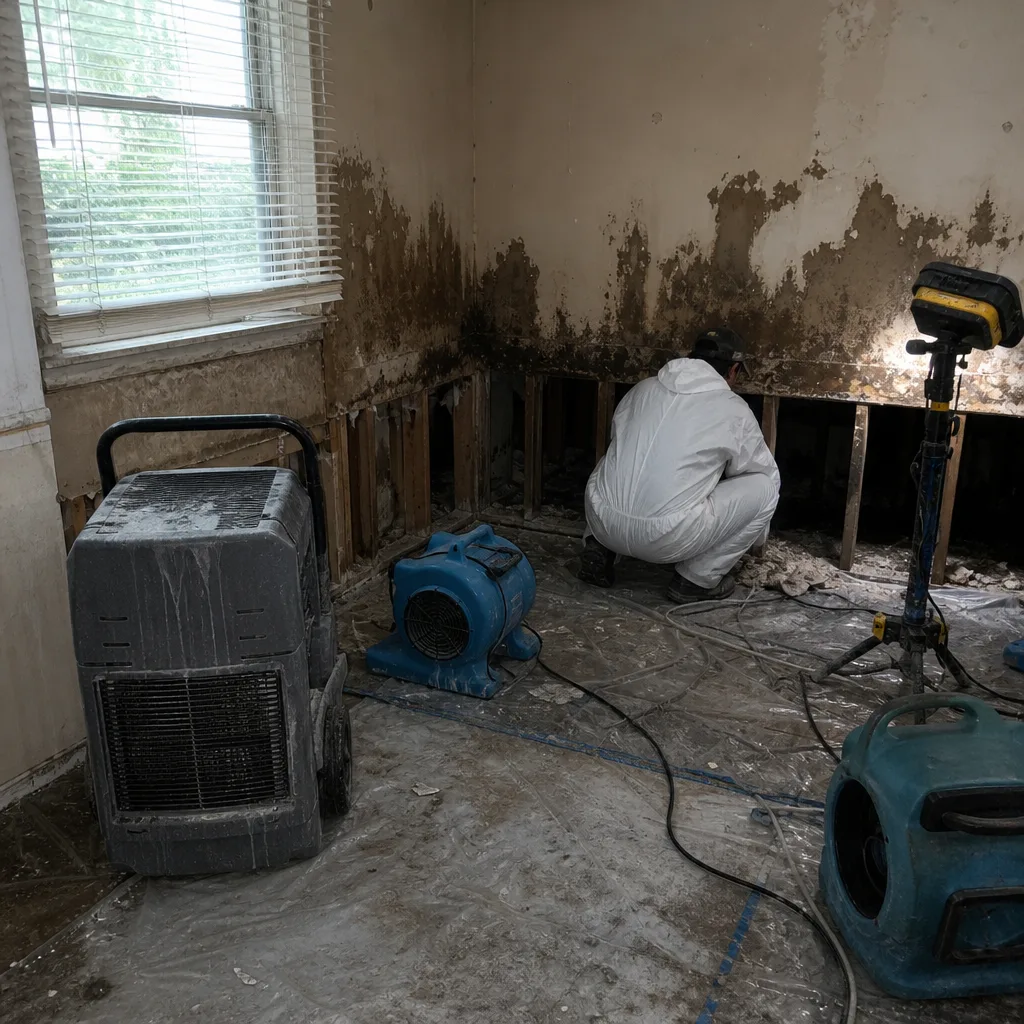 Before
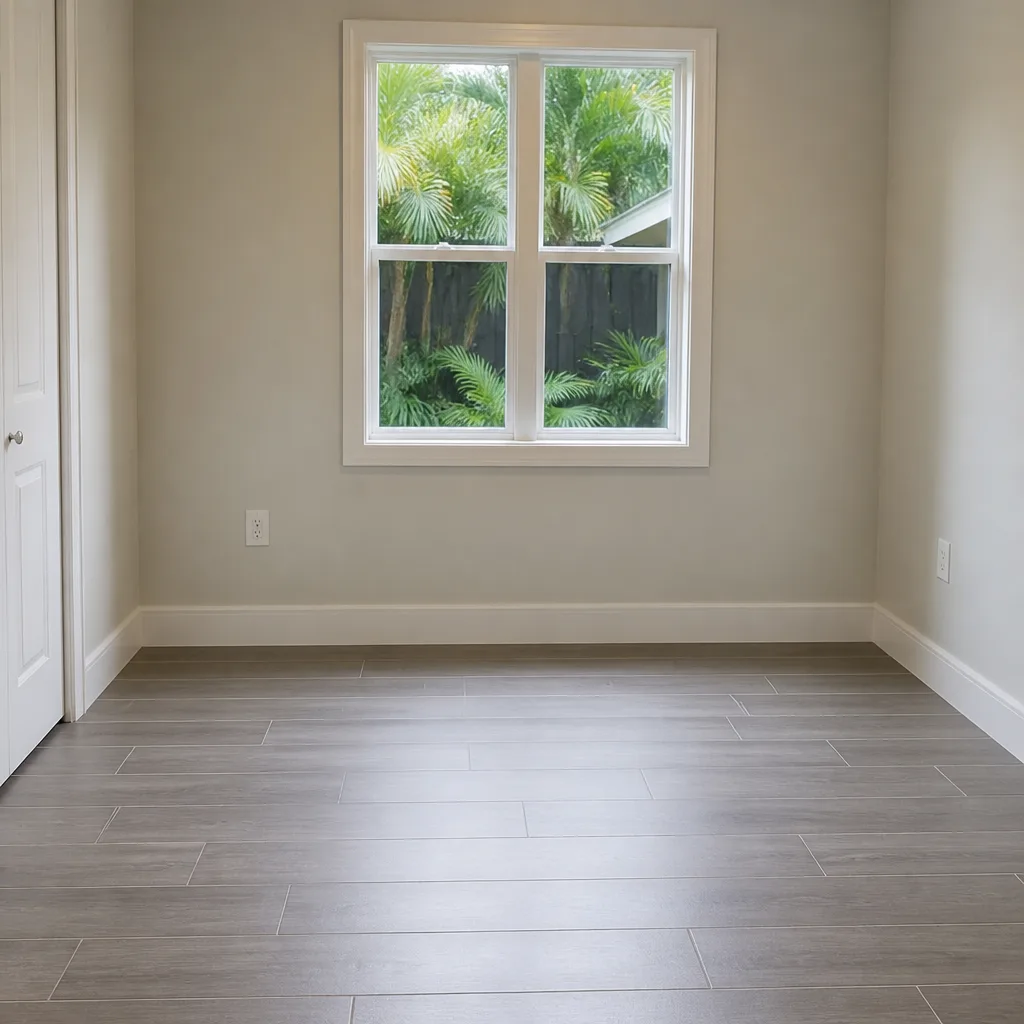 After
After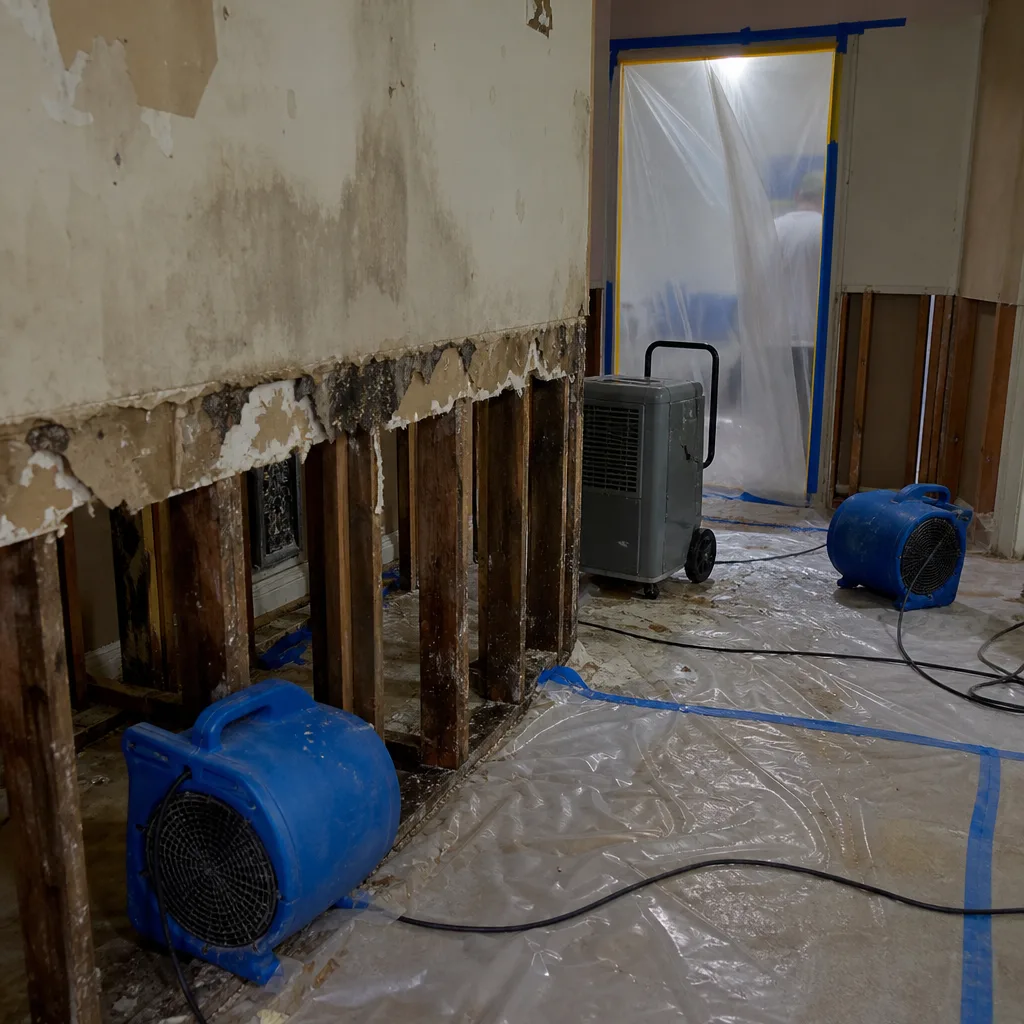 Before
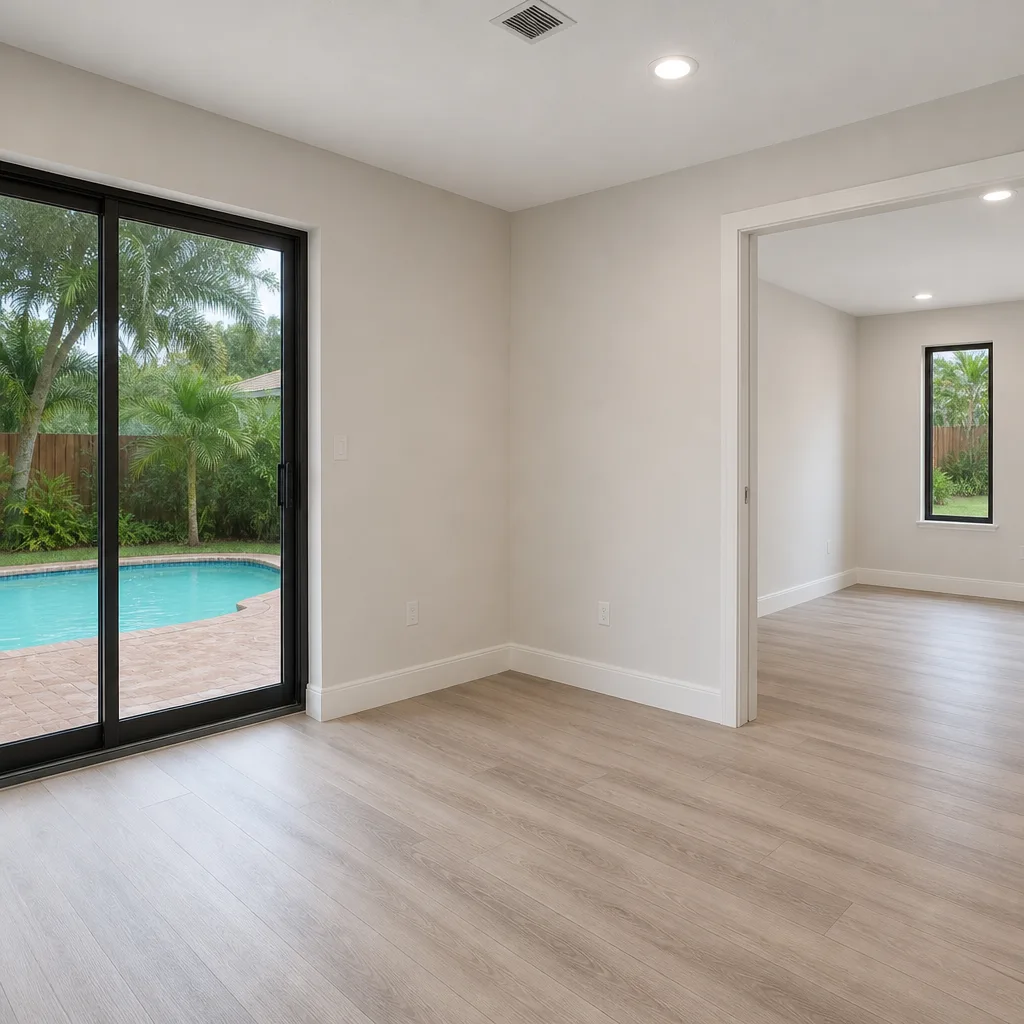 After
After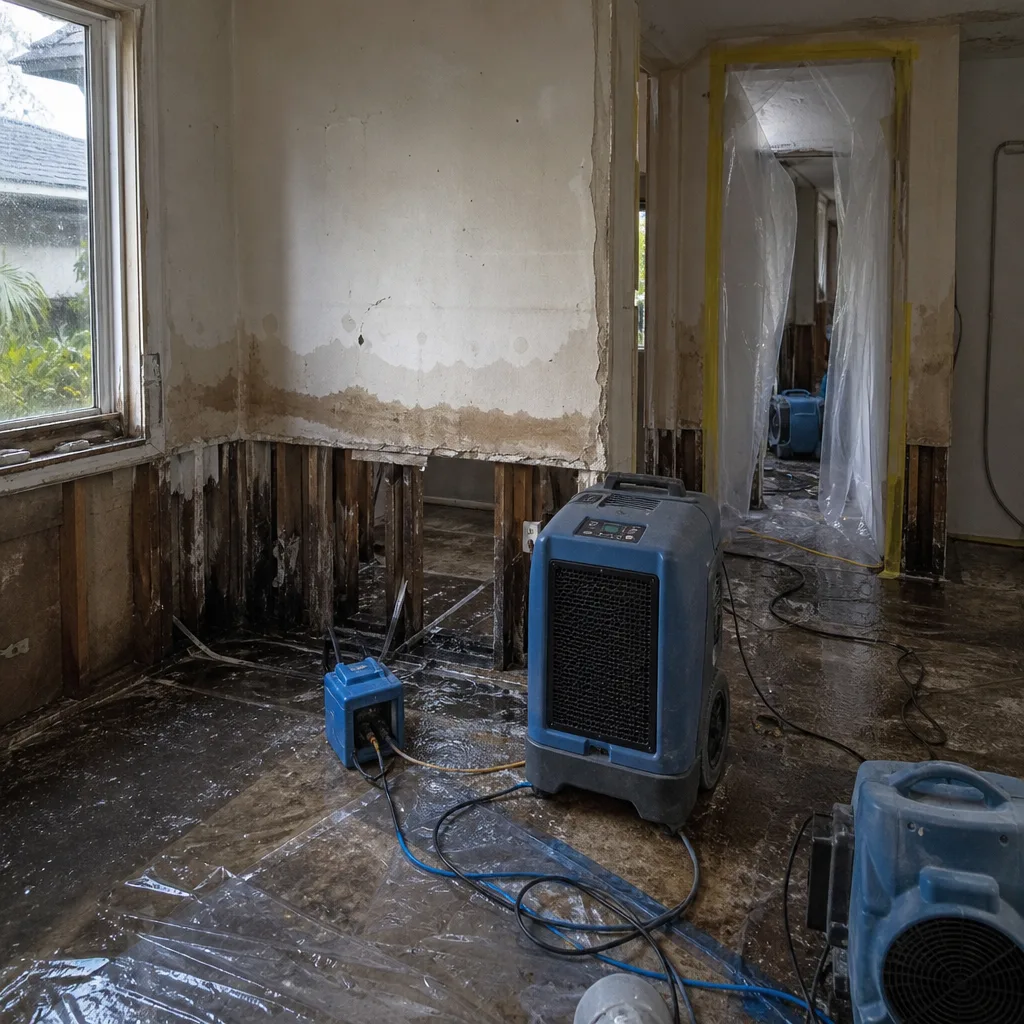 Before
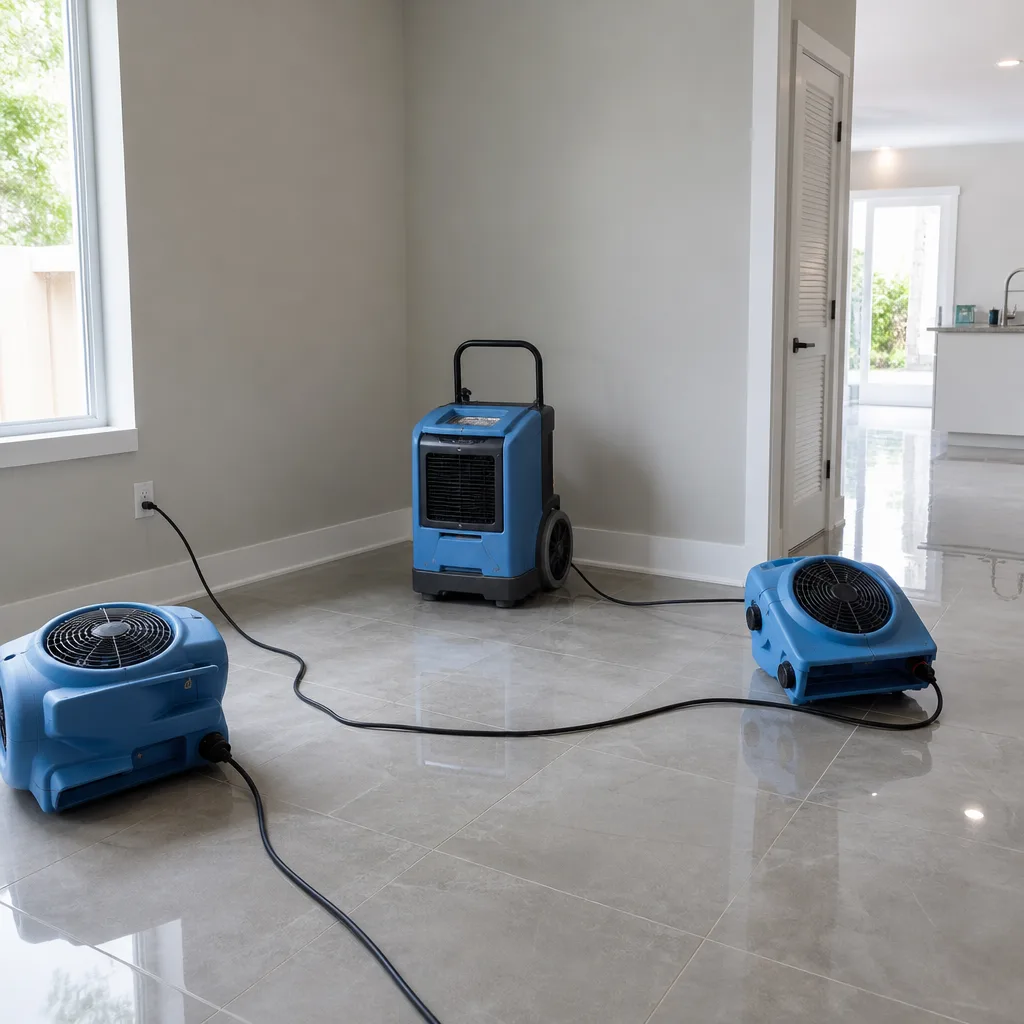 After
After