
Last updated October 16, 2026
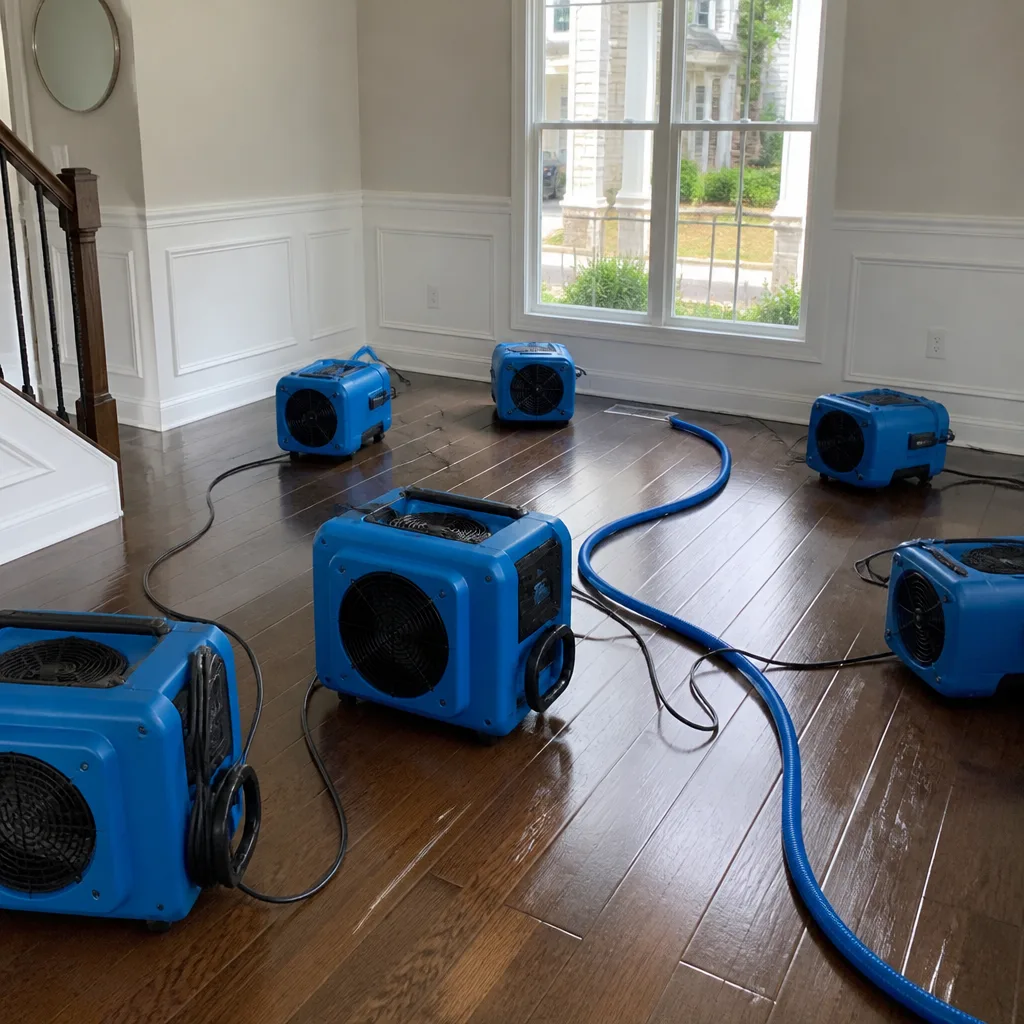 Water damage drying
 Fire & smoke cleanup
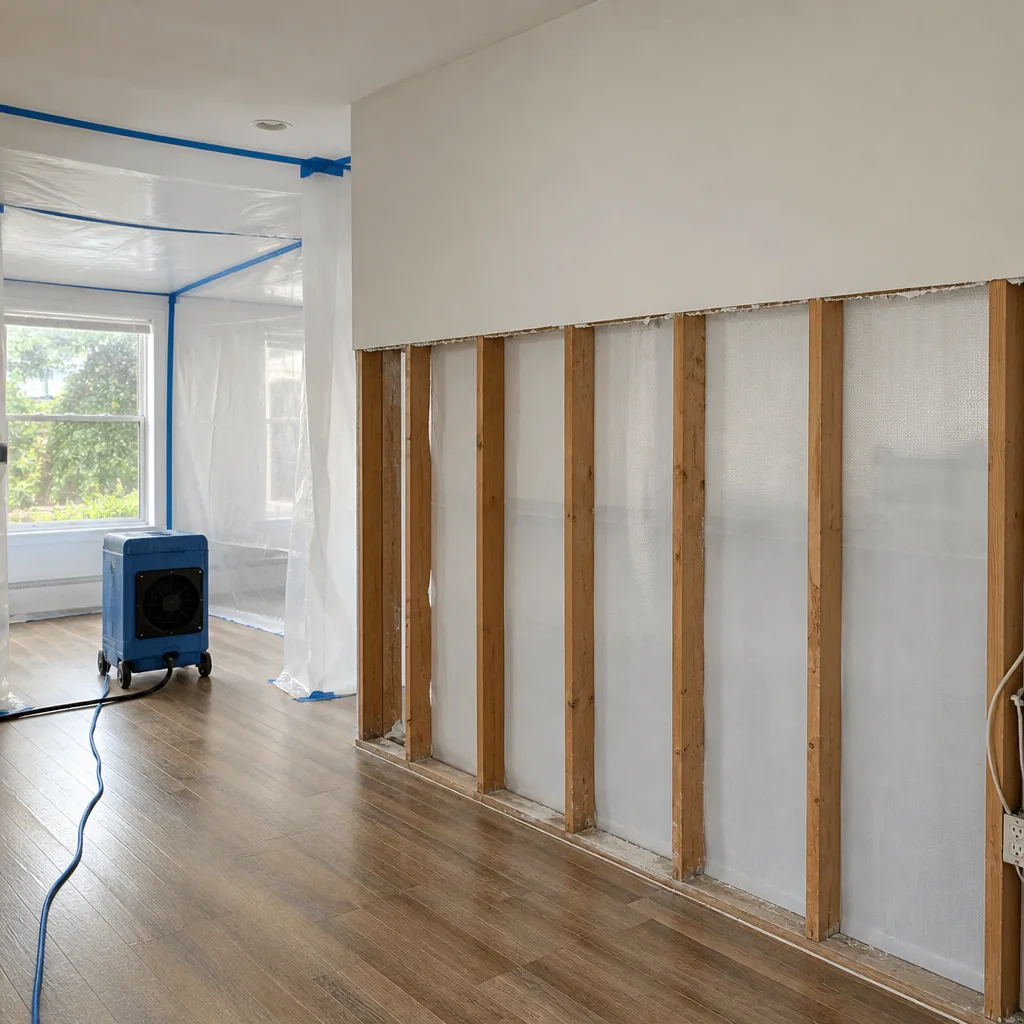 Mold remediation
 Storm response
 Sewage cleanup
 Reconstruction
Free visual inspection and a written scope of work before any mitigation begins - photos, moisture readings, and drying logs go in your claim file
The scope we write is the scope we bill. Anything new gets shown to you, in writing, before we touch it.
Get your free estimateHow to Hire a Damage Restoration Contractor in Miami: A Step-by-Step Guide
After a major Miami flooding event, the Florida Department of Business and Professional Regulation typically logs a measurable spike in unlicensed contractor complaints within two weeks. Most of those complaints come from homeowners who hired someone who simply showed up at the door with a clipboard and a sympathetic face, before the homeowner had a chance to verify anything. Our complete guide to damage restoration in Miami is designed to prevent you from becoming one of those complaints. You’ll learn the exact questions to ask, the license numbers to demand, the red flags to walk away from, and how to structure the entire hiring process as a calm, structured interview, even while your floors are still wet. We’ve been doing this work in Miami since 2005, and we wrote this based on what we see happen to homeowners who call the wrong number first.
Restoration work we handle
Quick Answer
To hire a damage restoration contractor in Miami, get a written scope of work with a fixed price before signing anything, verify the contractor’s Florida state license and Miami-Dade Certificate of Competency through the DBPR website, confirm they carry liability insurance, and ask specifically what drying equipment they will place on day one. For a deeper dive, see our water damage restoration maintenance checklist for Miami homeowners. Avoid any contractor who shows up uninvited, pressures you to sign an assignment of benefits on the spot, or refuses to put their price in writing. Most residential water extractions in Miami run between $1,200 and $3,800 before drying equipment is set, depending on the size of the affected area.
Table of Contents
- Step 1: Document the Damage Before You Call Anyone
- Step 2: Know the Three Florida Licenses to Demand
- Step 3: Run a Ten-Minute Background Check
- Step 4: Understand the Written Price Requirement
- Step 5: Evaluate the Equipment They Plan to Use
- Step 6: Watch for Assignment of Benefits Red Flags
- Step 7: Ask About the Guarantee and Warranty
- Common Mistakes to Avoid
- When to Call a Professional
- Frequently Asked Questions
- The Bottom Line
Step 1: Document the Damage Before You Call Anyone
Your first instinct is to grab a mop and start ripping out wet drywall. Resist that instinct, at least for the first fifteen minutes. In Miami, the humidity means mold can start colonizing within 48 to 72 hours, so speed matters. But so does evidence. Before you move a single piece of furniture or pull up a single inch of carpet, you need a photographic record of everything, because that record is what your insurance adjuster will use to evaluate the claim, and it is what a contractor will use to write a legitimate scope of work.
Walk through the affected area slowly with your phone. Photograph the water line on the walls, any standing water, the condition of baseboards and door frames, and the state of any personal property that got wet. Open cabinets and shoot what is inside. Get wide shots of entire rooms and close-ups of specific damage. If a pipe burst inside a wall, photograph the wall before anyone cuts into it. If your ceiling is sagging from water pooling above it, photograph it from multiple angles before it collapses. Video is useful too. Walk through the space slowly and narrate what you see, including the date and time.
This documentation step serves two purposes. First, it protects you if an insurance dispute arises later. Second, it protects you from a contractor who claims the damage was worse after they arrived than it was before. A legitimate Miami restoration company will want to see this documentation anyway. It helps us understand what we are walking into, and it tells us you are a homeowner who pays attention. The companies that tell you not to bother with photos are the ones you should not hire.
If water is still actively flowing, shut off the source first if you can do so safely. The main water shutoff valve is typically located on the exterior wall of a Miami home facing the street, sometimes in a covered box near the city water meter. Turning that off stops the inflow. Then document. Then call. A live person should answer, day or night. Our phone is answered by a real human 24 hours a day, seven days a week, including holidays, because water damage on a Sunday morning in Coral Gables does not wait for Monday business hours.
Step 2: Know the Three Florida Licenses to Demand
Florida is stricter about contractor licensing than almost any state in the country, and Miami-Dade County is stricter than almost any county in Florida. A legitimate restoration company working in Miami should be able to produce three specific credentials on request, without hesitation, without excuses, and without a long pause to “check with the office.” We will walk through all three.
First: the Florida state contractor license. Every restoration contractor performing structural work, demolition, drying, or rebuild work in Florida must hold a state contractor’s license issued by the Florida Department of Business and Professional Regulation. The license number begins with either “C” for certified contractor or “R” for registered contractor. A certified contractor is licensed to work anywhere in the state, including Miami-Dade. A registered contractor is licensed to work only within a specific local jurisdiction. Ask for the number. Write it down. Verify it on the DBPR website before you sign anything.
Second: the Florida mold remediation license. Florida is one of the only states that requires a separate, specific license for mold assessment and mold remediation. If a company tells you they can “handle a little mold” as part of their water damage work, that is a red flag unless they hold this specific license. The license is issued by the DBPR and applies to any contractor who removes, cleans, or treats mold growth in a residential or commercial building. Miami’s climate, hot and humid for most of the year, makes mold remediation a distinct discipline, not an add-on service. A water damage contractor without a mold remediation license cannot legally touch mold in your Miami home, and if they do, your insurance company may deny the mold-related portion of your claim. If you have visible mold or suspect mold growth behind walls, read our guide on Mold Remediation in Miami before you hire anyone.
Third: the Miami-Dade Certificate of Competency. Miami-Dade County requires most contractors performing work within the county to hold a local Certificate of Competency in addition to the state license. This is a county-level credential that verifies the contractor has met Miami-Dade’s specific code and competency requirements, which are more demanding than the state baseline in several trade categories. A contractor who is licensed by the state but not certified by Miami-Dade is not permitted to do certain work within Miami-Dade County. Ask to see the physical certificate. It should list the contractor’s name, the trade, and the county certifying authority.
Any contractor who cannot produce all three on request is not a contractor you want in your home. This is not a bureaucratic nicety. It is the first filter that separates established Miami restoration firms from the storm-chasing crews who flood into the city after heavy rain events, collect deposits, and disappear before the drywall is dry.
Step 3: Run a Ten-Minute Background Check
Before you sign a contract, spend ten minutes verifying what the contractor told you. It is the highest-return ten minutes you will spend during the entire restoration process, and it is genuinely simple. You do not need a private investigator or a legal degree. You need two websites and the license numbers from the previous section.
First, the Florida DBPR license lookup. Go to the Florida Department of Business and Professional Regulation website and find the “Verify a License” search tool. Enter the contractor’s license number or business name. The result should show the license type, its current status (Active is the only acceptable answer), the expiration date, and any formal complaints or disciplinary actions on file. If the license is expired, suspended, or shows unresolved complaints, you are done. Move on to the next contractor. In Miami, DBPR complaint records are public specifically so homeowners can do this kind of check before hiring.
Second, the IICRC contractor database. The Institute of Inspection, Cleaning and Restoration Certification is the restoration industry’s recognized training and certification body. Its website has a publicly searchable database of IICRC-certified firms and technicians. A restoration company that invests in IICRC certification is telling you, in verifiable form, that its technicians have been trained and tested on the actual science of structural drying. Our technical team holds IICRC, RIA, and IFA credentials; we maintain those certifications because they are the industry’s recognized training and certification bodies, and because trust demands verification, not promise.
Third, check the company’s insurance. Ask for a Certificate of Insurance, often called a COI. It should list the contractor’s general liability insurance carrier, policy number, and coverage limits. Call the carrier to verify the policy is active. A legitimate company will send this to you in minutes. A company that stalls, sends a blurry PDF, or says insurance is “in process” is telling you something important about how they run their business.
We go one step beyond all of this, and it is worth mentioning here because it is the standard every Miami homeowner should hold a restoration company to. Every technician we send to a home is background-checked, identity-verified, and uniformed. We send the homeowner the technician’s name and photo before they arrive, and the technician shows a photo ID badge at the door, every time. We call it the Threshold Verified standard. You should know exactly who is walking through your door before the knock happens.
Step 4: Understand the Written Price Requirement
The single most important question you can ask a restoration contractor in Miami is this: “Can you give me a written scope of work with a fixed price before any work starts?” If the answer is anything other than yes, end the conversation.
A legitimate scope of work document is not a one-page estimate with a single number at the bottom. It is a line-by-line breakdown of exactly what the contractor will do, which materials they will use, how long each phase will take, and what the total cost will be. It should include specific line items like emergency water extraction, equipment placement and rental, daily monitoring visits, demolition and debris removal, antimicrobial application, structural drying, and final moisture verification. Each line item should have its own dollar figure.
In Miami, most residential water extractions run between $1,200 and $3,800 before drying equipment is set, depending on the square footage affected, the category of water (clean water from a supply line versus contaminated water from a sewage backup), and whether demolition is required. A scope of work that lists “drying: included” is not a scope of work. It is an open invitation to a surprise bill.
What a legitimate scope of work looks like:
- Emergency extraction: A line item with a specific dollar amount and the equipment to be used, such as truck-mounted extraction or portable extractors.
- Equipment placement: A line item listing the number of air movers and dehumidifiers, the brand and model class, the daily rental rate, and the expected number of days the equipment will run.
- Demolition and debris removal: A line item specifying exactly what gets removed, from which rooms, and which materials get replaced.
- Antimicrobial application: A line item naming the specific product applied, where it is applied, and when.
- Daily monitoring: A line item stating how often a technician will visit, take moisture readings, and adjust equipment placement, and what those visits cost.
- Final moisture verification: A line item for the final psychrometric readings, the moisture-in-the-air measurements that confirm the structure is genuinely dry, not just dry on the surface.
We print a written price on every work order we hand to a homeowner before any work starts. It is not negotiable, it is not promotional, and it is not something a customer has to request. It is the way we have done business in Miami since 2005, and it is the thing that prevents the second most common homeowner fear in this process: being oversold once a crew is inside the house.
Step 5: Evaluate the Equipment They Plan to Use
You should not need a degree in physics to evaluate a restoration company’s approach. But you should know two pieces of equipment by name, because the presence of these two tools within the first hour of work tells you whether you hired a professional drying company or a guy with a shop vacuum and a good handshake.
The moisture meter. This is a handheld device with two small pins or a flat sensor pad that measures the moisture content inside building materials like drywall, wood studs, and subflooring. A professional restoration technician will take baseline moisture readings throughout the affected area before placing any equipment, then take readings again daily to track the drying progress. If a contractor shows up and immediately starts placing fans without taking a single moisture reading, they are not drying your home. They are guessing. In Miami’s humidity, guessing is expensive.
The thermal hygrometer. This is a device that measures both temperature and relative humidity in the air. It is used to calculate the specific humidity, which tells a technician how much moisture the air is holding and whether the drying environment is actually working. A restoration crew that does not track humidity levels cannot tell you when your structure is actually dry, because a wall can feel dry to the touch while holding enough moisture to feed mold growth inside the wall cavity. The technical term is psychrometric readings, which simply means measuring the moisture in the air to know when the structure is genuinely dry.
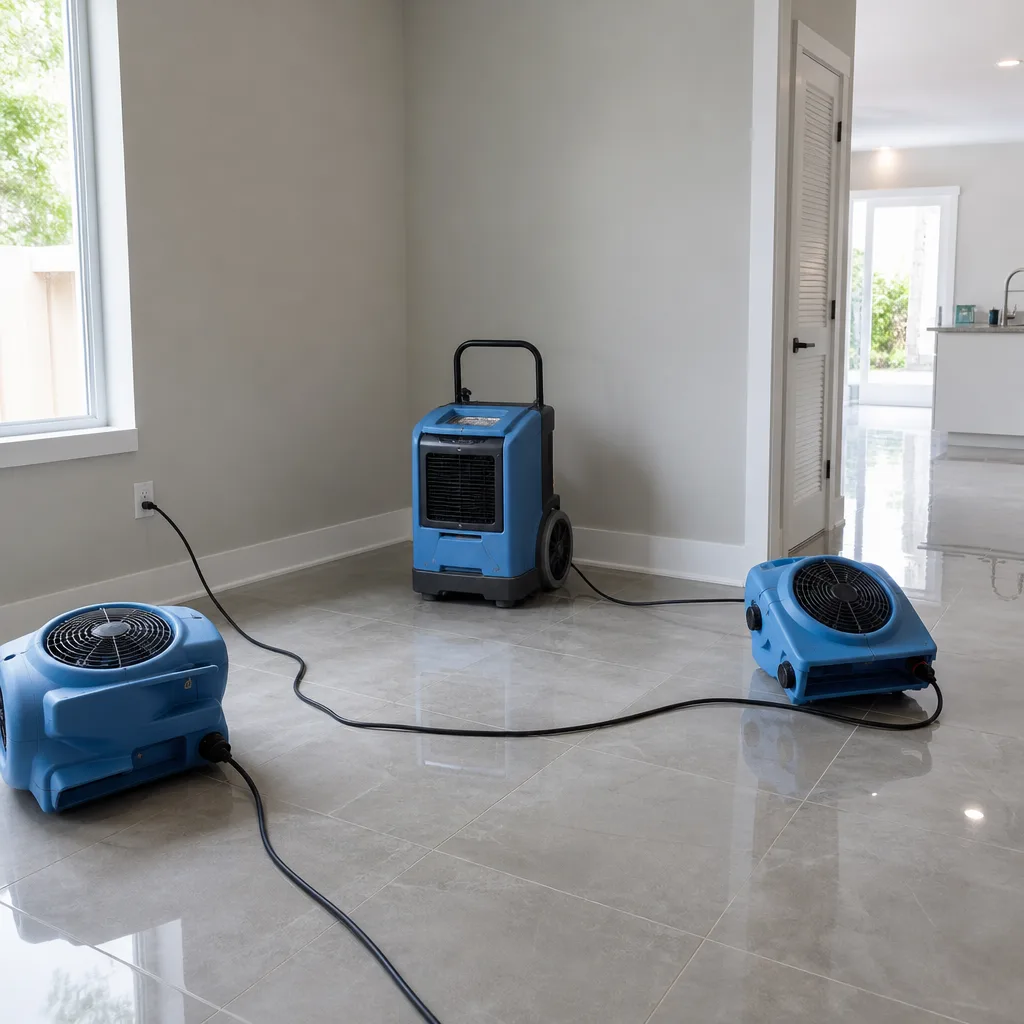
The equipment itself matters too. Professional restoration companies use commercial-grade drying equipment from manufacturers like Dri-Eaz, Phoenix, XPOWER, and B-Air. These are the same tools used in large commercial losses, hospitals, and industrial buildings, applied to residential jobs. An air mover from one of these manufacturers moves a significant volume of air across wet surfaces to speed evaporation. A commercial dehumidifier removes gallons of moisture from the air per day. A residential box fan from Home Depot does neither. In Miami’s 70%-plus average humidity, running residential fans without commercial dehumidification can actually make things worse, because it moves moisture around without removing it.
Ask the contractor what equipment they will place on day one, what brands they use, and how many units will go into each room. A professional will answer immediately and specifically. A storm-chaser will say something vague like “whatever it takes.” Walk away from the vague answer.
Step 6: Watch for Assignment of Benefits Red Flags
Here is the sentence every Miami homeowner should recognize as a red flag, not a selling point: “We will work directly with your insurance company so you don’t have to.”
That sentence sounds like a convenience. In Florida, it has become the entry point for one of the most widespread forms of contractor fraud in the state: assignment of benefits abuse. Here is how it works. A contractor asks you to sign a document called an Assignment of Benefits, which transfers your insurance policy rights to the contractor. Once you sign, the contractor can bill your insurance company directly, at whatever rate they choose, without your involvement. The contractor often inflates the scope of work, bills for work not performed, and when the insurance company refuses to pay the inflated bill, the contractor files a lawsuit against the insurer, in your name, without asking you. You, in the meantime, have a half-finished repair and a legal mess.
Miami, specifically, has been a target market for assignment-of-benefits abuse for years. The combination of frequent water events, an older housing stock, and a dense population of homeowners unfamiliar with the practice makes Miami an attractive market for bad actors. The Florida legislature has passed multiple reforms in recent years to limit the practice, but the scam continues to adapt.
This does not mean a contractor should never coordinate with your insurance company. A legitimate restoration company will document the damage thoroughly, provide photo evidence directly to your adjuster, and help you understand what your policy covers. We do direct adjuster coordination and photo documentation on every job where insurance is involved. What a legitimate company will not do is ask you to sign away your policy rights on day one, before a written scope of work exists, before you have had time to read anything. Never sign an Assignment of Benefits in the first 24 hours after a loss. If a contractor pressures you to sign one immediately, in your living room, while your floors are still wet, ask them to leave.
Step 7: Ask About the Guarantee and Warranty
Restoration is not a one-and-done service. The work we do in your home, removing water, drying the structure, treating mold, repairing drywall, is supposed to hold up over time. If it does not, you need to know what happens next, and you need to know before you sign, not after the repair fails.
Ask every contractor you interview this question: “What is your written guarantee, what does it cover, and what happens if the repair fails?” A vague answer like “we stand behind our work” is not an answer. A specific answer is.
Here is what a specific answer sounds like. Our work carries a 365-Day Done Right Promise. It means what it says. If the repair we performed is not right within one full year, we make it right. The guarantee is printed on every work order, time-stamped, and documented. If a repair fails, the second visit is free. It is automatic. It is never something a customer has to argue for, never something a manager has to approve under duress, never something hidden in fine print. It is a standing commitment, not a promotional offer.
You should also ask whether the guarantee applies to the drying work specifically, not just the cosmetic repairs. A contractor can patch drywall and paint over a wall that is still wet inside. The patch will look fine for a few months. Then the mold blooms. Then the paint bubbles. Then the contractor who did the patch has changed their phone number. A guarantee that covers the repair but not the drying process is a guarantee that covers the wrong thing.
Miami is a demanding climate for restoration work. Our humidity, our salt air, our storm seasons, our aging plumbing, all of it puts unusual pressure on the materials and the workmanship. For year-round guidance, read our Seasonal Damage Restoration Care for Miami: Year-Round Homeowner’s Guide. A one-year guarantee is the minimum you should accept. If a contractor will not commit to one in writing, they do not believe their own work will hold up for a year, and now you have your answer about who not to hire.
Common Mistakes to Avoid
- Hiring the first contractor who knocks on your door. After a visible flood event in your Miami neighborhood, door-to-door solicitors often appear within hours. They are not there because they are the best contractor. They are there because they know homeowners are scared and overwhelmed. Never sign anything with someone who showed up uninvited.
- Forgetting to check the Miami-Dade Certificate of Competency. A state license is necessary, not sufficient. The county credential is a separate requirement, and skipping that check can mean hiring a contractor who is not legally permitted to perform work at your Miami address.
- Signing an Assignment of Benefits under pressure. No legitimate contractor needs your insurance rights assigned to them in the first hours after a loss. Any contractor who insists on it that early is not there to restore your home. They are there to bill your policy.
- Accepting a verbal price. In Miami’s restoration market, a verbal price is worthless. If it is not written, line-itemized, and signed, it does not exist. Insist on a written scope of work before any demolition begins.
- Assuming a dry-looking wall is a dry wall. Surface dry and structurally dry are different conditions. Without moisture meter readings and final psychrometric verification, you are trusting a guess. In Miami’s humidity, a wet wall cavity can hide for weeks before mold becomes visible.
- Prioritizing speed over verification. Yes, time matters after water damage. But taking twenty minutes to run a DBPR license check and call an insurance carrier to verify a COI is not the delay that will ruin your home. Skipping it might.
When to Call a Professional
Some water damage is a DIY mop job. A cracked supply line that sprayed for two hours, water pooling on tile, a fan pointed at the floor for a day, problem solved. But in Miami, the threshold for calling a professional is lower than most people think. If the water has been present for more than 24 hours, if the water is not from a clean supply line, if the water has seeped under baseboards or behind drywall, if you smell a musty odor, or if the affected area covers more than one room, call a professional. Water inside walls does not leave on its own. It sits there, in the dark, in the humidity, and it feeds mold. Marsh Water Damage Miami offers free estimates in Miami, call (689) 888-7601 and a live person will answer, 24 hours a day, including holidays. The free estimate is also a written price before any work starts. If we can help, we will tell you exactly what we would do and what it will cost. If it is a mop job, we will tell you that too.
Frequently Asked Questions
Ask for all three Florida and Miami-Dade license numbers, a Certificate of Insurance, a written scope of work with a fixed price, a list of the drying equipment they will place on day one, and their written guarantee terms in days. Ask whether they do background checks on technicians and whether they will send the technician’s name and photo before arrival. A contractor who answers these questions directly and in writing is worth considering. A contractor who deflects is not.
Most residential water extractions in Miami run between $1,200 and $3,800 before drying equipment is set. The total cost depends on the square footage affected, the water category, the amount of demolition required, and the length of time drying equipment runs. A specific price requires a specific scope of work. Call (689) 888-7601 for an exact quote. Estimates are free.
A professional Miami restoration company should be able to dispatch a team the same day you call, and the first priority is stopping the water, extracting the standing water, and placing drying equipment within the first few hours. Calls answered by a live person, 24 hours a day, are the tell. If you reach a voicemail during daylight hours or that says “we’ll call you back,” water is still spreading while you wait.
It depends on where the water went. Water that pooled on non-porous flooring and was extracted within hours may only require cleaning and sanitization. Water that seeped into drywall, baseboards, subflooring, or wall cavities almost certainly requires professional drying and possibly demolition. Moisture meter readings are how a technician determines which scenario you are in. In Miami’s climate, the safest assumption is that hidden water is still water. For a complete guide on this topic, see our overview of Water Damage Restoration in Miami.
Most Florida homeowners insurance policies cover sudden and accidental water damage, like a burst pipe, an appliance malfunction, or storm-related intrusion, but they typically do not cover gradual leaks, or damage from neglected maintenance. The best way to protect your claim is photo documentation of the damage before any work begins and a written scope of work from your contractor. We document every job photographically and coordinate directly with your adjuster.
You do, with the contractor’s support. You own the policy, and you should remain the primary point of contact with your insurance company. A legitimate restoration contractor provides photo documentation, written scopes, and direct adjuster coordination to support your claim. They do not take over your claim, and they do not ask you to sign away your policy rights through an Assignment of Benefits. Be wary of any contractor who frames “we deal with your insurance so you don’t have to” as a selling point.
Visible mold appears as black, green, or brown spots on walls, ceilings, or baseboards. But the more common Miami scenario is hidden mold inside wall cavities where you cannot see it. Signs include a persistent musty odor, worsening allergy symptoms indoors, or paint and wallpaper that starts to bubble or peel weeks after a water event. If you suspect hidden mold, do not open the wall yourself, as this can release mold spores into the air. A licensed mold remediation company will assess the situation safely. Our dedicated guide on Mold Remediation in Miami covers this in detail.
After a hurricane or tropical storm, the sequence is emergency tarping and board-up to prevent further intrusion, water extraction, structural drying, mold prevention treatment, and then reconstruction. The initial mitigation phase should happen within the first 24 to 48 hours. Reconstruction is scoped, scheduled, and priced in writing, usually after the mitigation phase is complete and the structure is dry. Working with a single company for both phases simplifies the process. We cover this process step by step in our guide to Storm Damage Restoration in Miami.
The Bottom Line
Hiring a damage restoration contractor in Miami is not a decision you should make while standing in a puddle of water with a stranger at your door. It is a structured process. Document the damage first. Demand three license numbers, a Certificate of Insurance, and a written scope of work with a fixed price. Verify everything through the DBPR and IICRC databases. Ask about drying equipment by name, refuse to sign an Assignment of Benefits under pressure, and insist on a written guarantee with a specific time period. A legitimate company welcomes all of these questions, and answers them directly. We at Marsh Water Damage Miami home have been answering them since 2005.
Written by Tobias Reyner, Owner at Marsh Water Damage Miami, serving Miami since 2005. Explore more guides & resources on our blog.
Call (689) 888-7601 for a free estimate. A live person answers, 24 hours a day, and every job gets a written price before any work starts.
See the difference
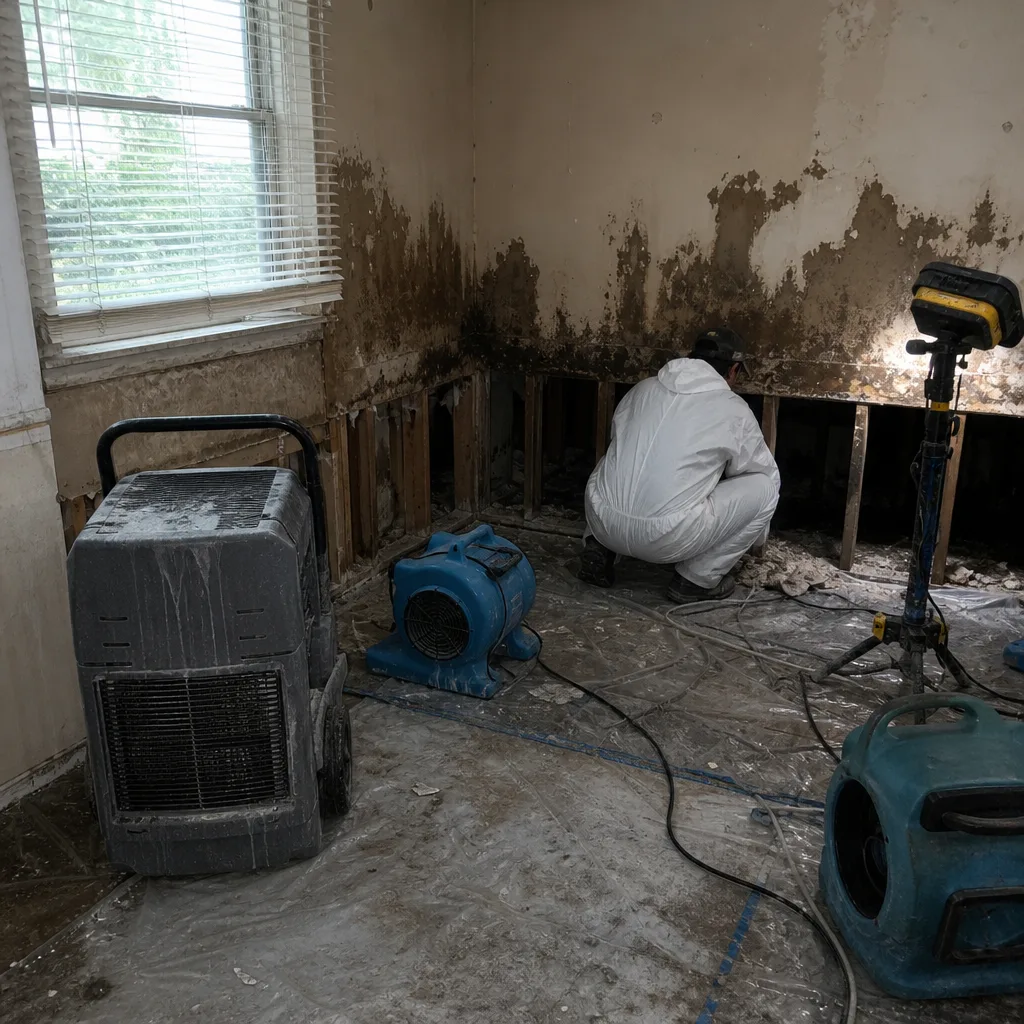 Before
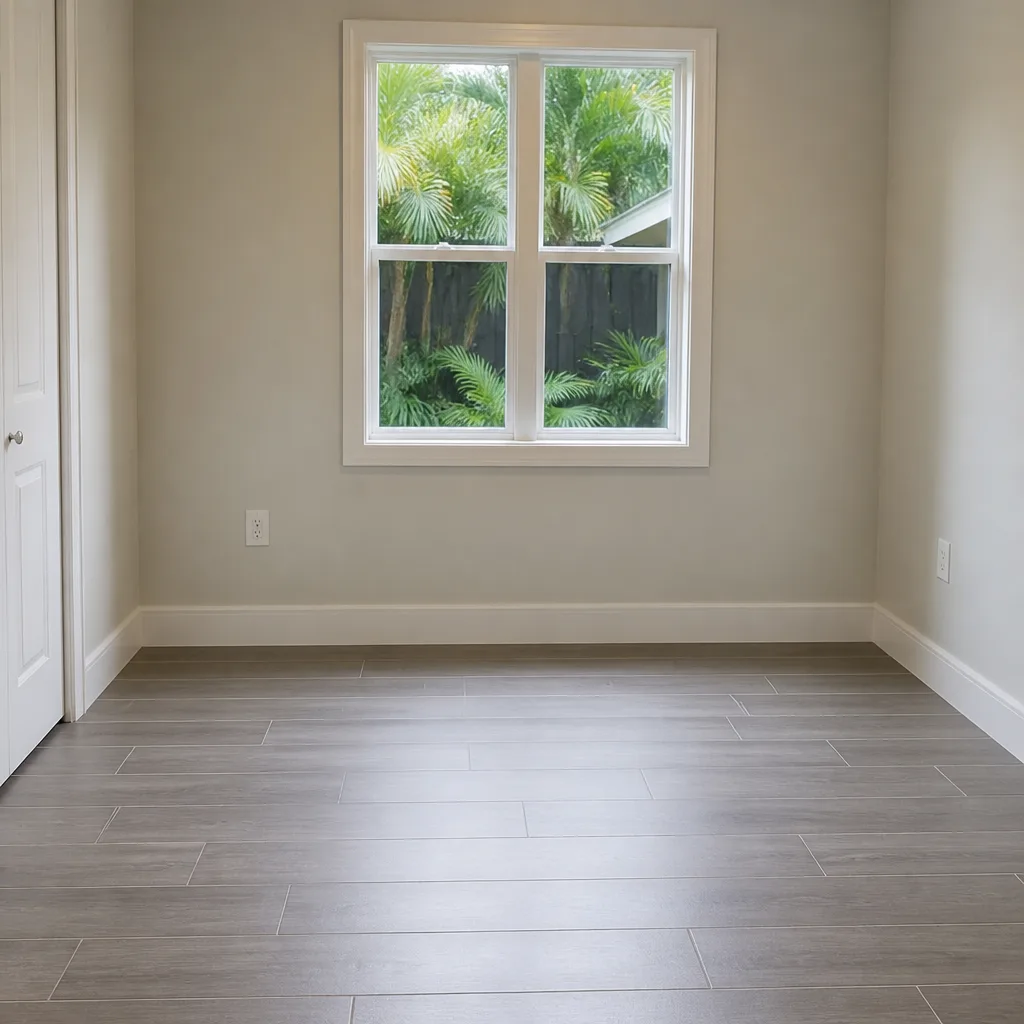 After
After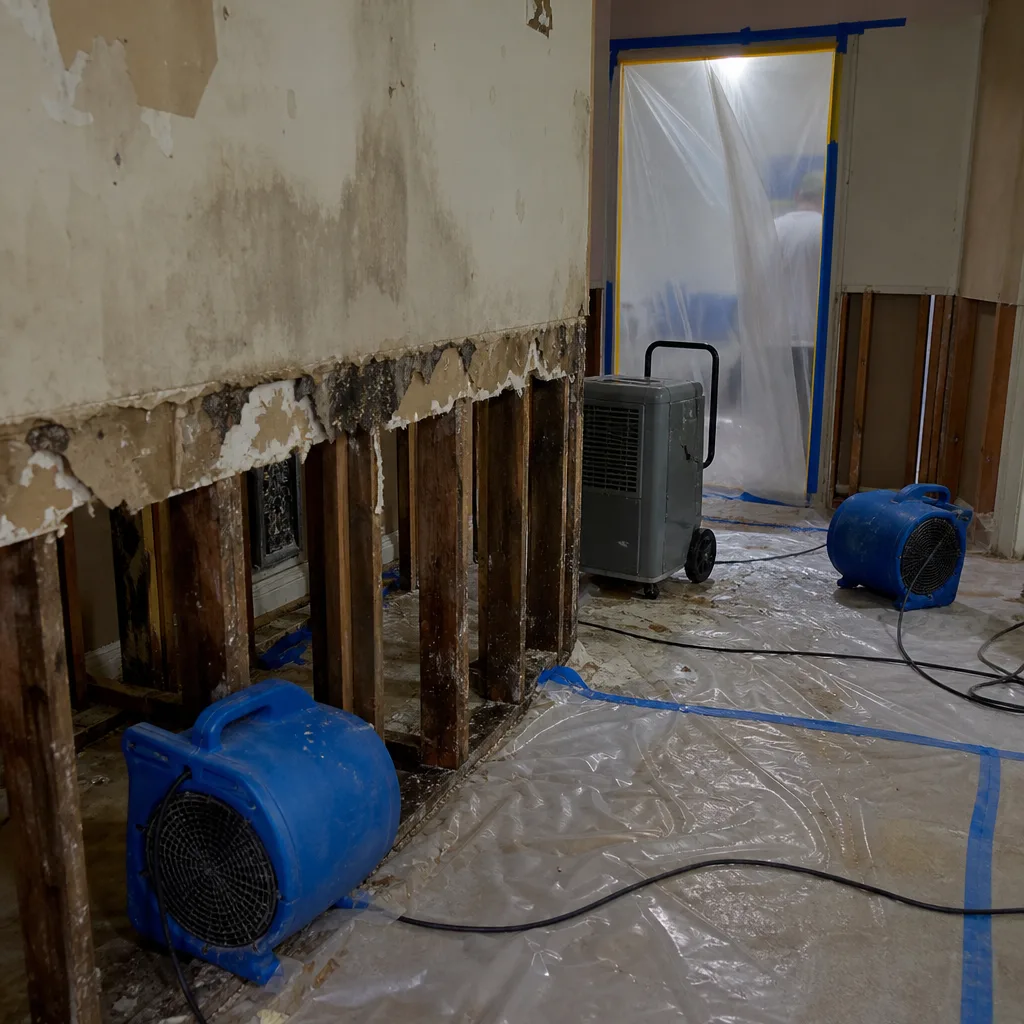 Before
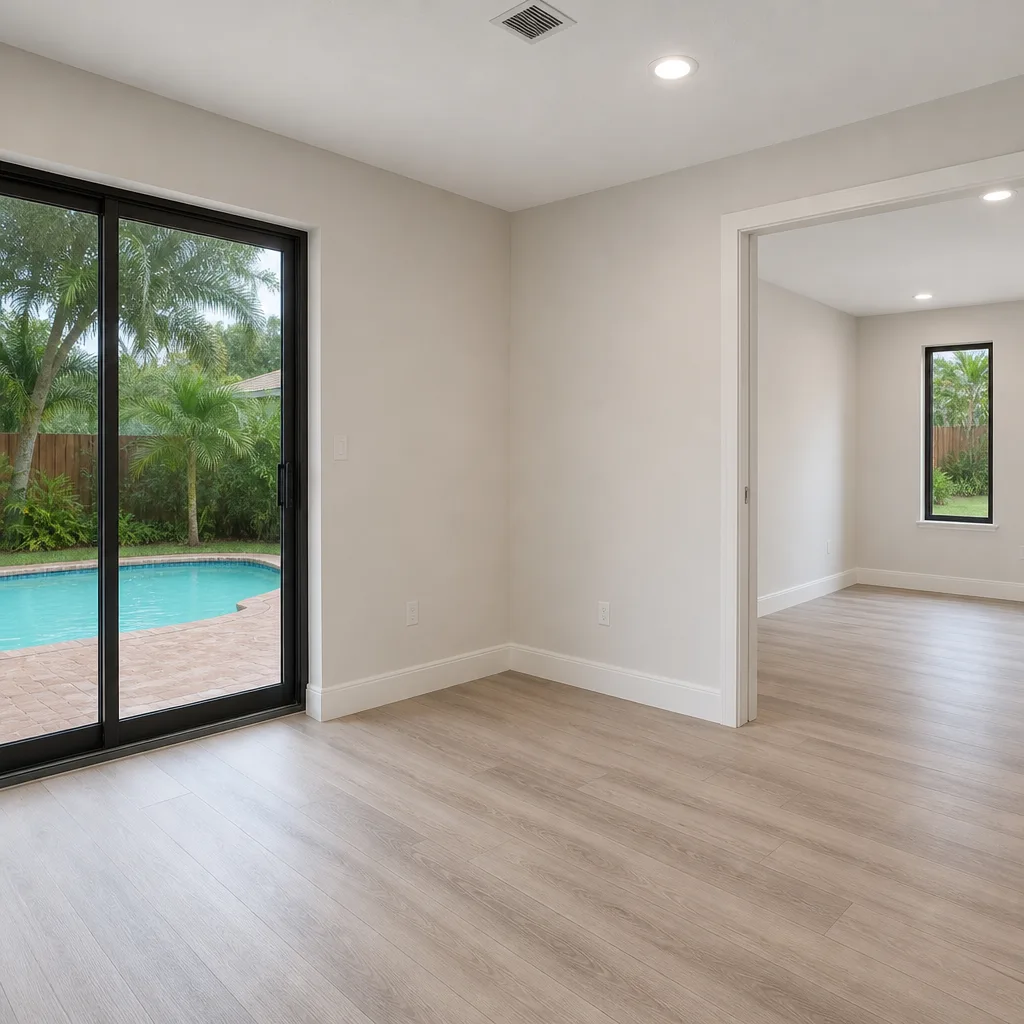 After
After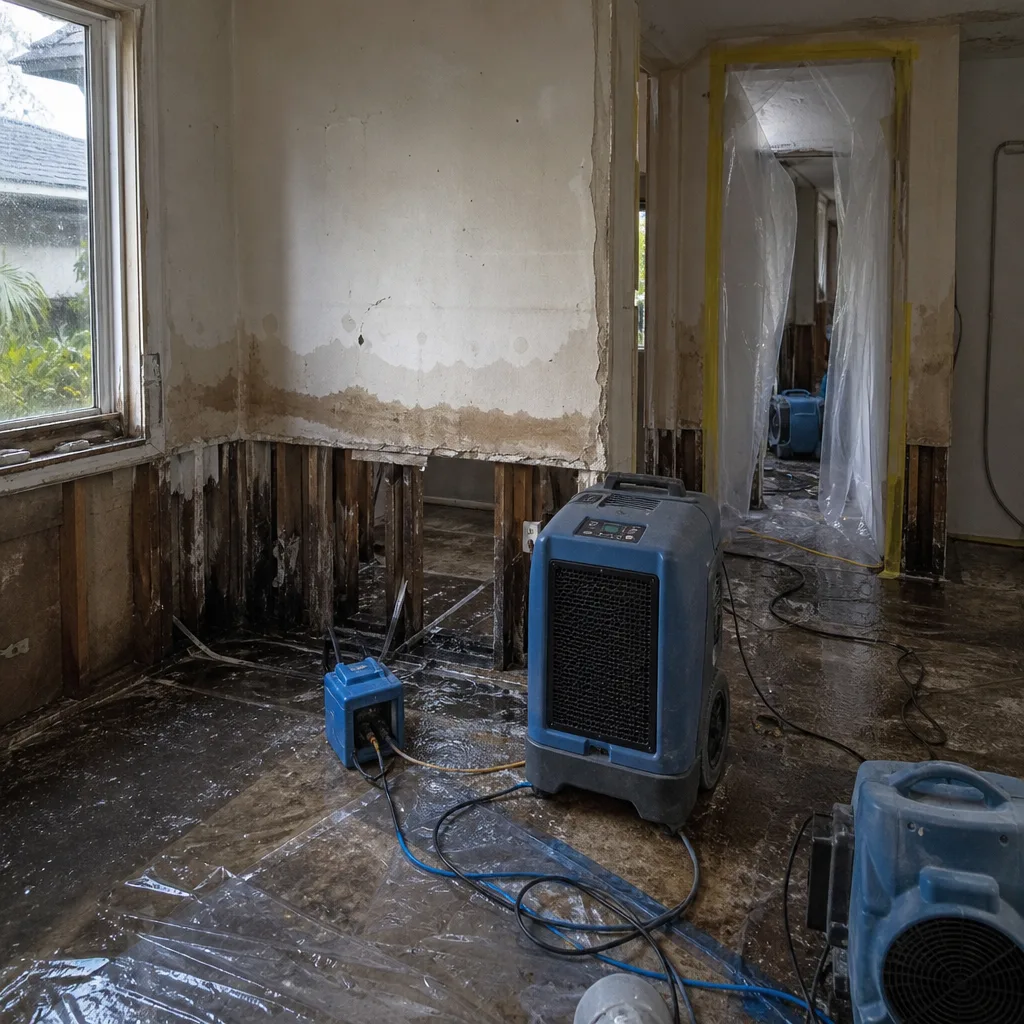 Before
 After
After