
Last updated October 16, 2026
 Water damage drying
 Fire & smoke cleanup
 Mold remediation
 Storm response
 Sewage cleanup
 Reconstruction
Free visual inspection and a written scope of work before any mitigation begins - photos, moisture readings, and drying logs go in your claim file
The scope we write is the scope we bill. Anything new gets shown to you, in writing, before we touch it.
Get your free estimateDIY vs Professional Damage Restoration: The Miami Homeowner’s Decision Guide
Here is a number that surprises most Miami homeowners: roughly 72 hours. That is the time it takes for mold spores to germinate and establish colonies on wet drywall, insulation, and carpet underlayment when indoor humidity stays above 60 percent. In Miami, where ambient humidity rarely drops below 70 percent for eight months of the year, that clock runs faster than it does in Orlando, Atlanta, or Houston. This guide walks through the real decision framework: when a shop vac and box fans genuinely work in Miami, when they actively make the problem worse, and what the Florida mold statute means for anyone tempted to handle a large water loss themselves.
Restoration work we handle
Quick Answer
DIY water damage restoration in Miami is only safe and sufficient for small, clean-water intrusions caught within roughly two hours, in a home that never lost air conditioning, where all affected materials are non-porous or fully removable. Anything beyond that, gray or black water of any amount, any event where the home lost climate control, or any visible mold growth above 10 square feet requires professional equipment and, for mold, professional licensure under Florida Statute 468 Part XVI. Attempting a full dry-out with consumer equipment in Miami’s humidity typically costs homeowners 40 to 60 percent more than calling a professional first, because incomplete drying compounds into secondary mold and structural damage. Our How to Hire a Damage Restoration Contractor in Miami: A Step-by-Step Guide explains exactly what to look for before making that call.
Table of Contents
- The Biological Timeline: Why Miami Is Different
- The Three-Variable Framework: A Binary Decision Tool
- What DIY Can Legitimately Handle in a Miami Water Event
- What DIY Cannot Handle, Legally or Practically
- The Florida Mold Statute and Why It Eliminates DIY for Most Water Damage
- The Hidden Cost of Incomplete Drying in a Subtropical Climate
- How to Verify a Professional’s Drying Results Independently
- Common Mistakes to Avoid
- When to Call a Professional
- Frequently Asked Questions
- The Bottom Line
The Biological Timeline: Why Miami Is Different
In Fort Lauderdale and Miami water damage restoration work, we measure drying in days, but we measure the window for safe intervention in hours. This is not a sales line. It is the difference between South Florida’s psychrometric reality and everywhere else in the continental United States.
Psychrometric readings, which measure the moisture content of air and materials, tell us exactly how fast water moves through a structure. A wet drywall panel in Phoenix, Arizona, with ambient humidity at 20 percent, might dry naturally in three or four days without meaningful mold risk. That same drywall panel in Coconut Grove or Hialeah, with ambient humidity at 75 percent and indoor temperatures above 80°F after an air conditioning failure, becomes a mold substrate within 48 to 72 hours. The spores are already present in every Miami home. They do not need to be introduced. They need moisture, warmth, and still air. A water event provides all three.
The second factor is the dew point. Miami’s dew point from April through October sits between 72°F and 78°F. That means any surface below that temperature condenses moisture from the air itself. Concrete slab floors, tile, and even sealed drywall reach dew point overnight after a water event, especially when the AC is off. This is why opening windows to “air out” a flooded room in Miami makes the problem worse. The outdoor air carries more moisture than the indoor air it is replacing, even when the indoor air feels humid already.
The third factor is salt. Miami is a coastal city, and salt aerosol settles on surfaces and in wall cavities in every home from Kendall to North Miami. Salt is hygroscopic. It pulls moisture from the air and holds it against building materials. A slow leak behind a kitchen cabinet in a Cutler Bay home, undetected for three weeks, often produces mold growth that would take two months in an inland city, because the salt layer accelerates moisture retention at the material surface.
The Three-Variable Framework: A Binary Decision Tool
We use a simple three-variable framework to decide whether a homeowner should attempt DIY work or call a professional. The framework has no gray zone, by design. Each variable produces a binary answer, and any single “professional” answer means the job requires professional equipment and professional judgment.
Variable 1: Water category. Clean water from a supply line, a sink overflow with clean water, or rainwater that entered through a window before contacting building materials. Gray water contains biological or chemical contaminants: washing machine discharge, dishwasher overflow, aquarium water. Black water contains sewage, flood water from outside, or any water that has been standing for more than 48 hours. Clean water is the only category where DIY is worth considering.
Variable 2: Time elapsed since intrusion. Under two hours is the DIY window for clean water only. Two to 48 hours requires professional drying equipment, though content may still be salvageable. Beyond 48 hours, the biological process is underway, and the job has shifted from drying to remediation.
Variable 3: Climate control status. If the home’s HVAC system was running continuously and the indoor temperature stayed below 75°F with humidity controlled, the biological clock slows. If the home lost power during a storm, or the AC was off, or the event happened in a non-conditioned space like a garage or laundry room, the clock runs at full Miami speed. Our Seasonal Damage Restoration Care for Miami: Year-Round Homeowner’s Guide breaks down how each season shifts these risks.
Here is the verdict table in plain English:
- Clean water, under 2 hours, AC running: DIY extraction is reasonable for small areas. You are buying time, not solving the problem permanently.
- Clean water, under 2 hours, no AC: Professional evaluation is warranted. The drying clock is running at full Miami speed.
- Clean water, 2 to 48 hours, any climate control status: Professional drying equipment is required. Consumer fans cannot achieve the airflow or humidity control needed to prevent mold formation.
- Clean water, over 48 hours: This is now a mold risk assessment. Professional testing and remediation planning are required.
- Gray water, any time elapsed, any climate control status: Professional extraction and sanitation is required. The contaminants in gray water cannot be removed with consumer equipment.
- Black water, any time elapsed, any climate control status: Professional remediation is required, and the affected porous materials are typically removed rather than dried. This is a health hazard decision, not a drying decision.
Most Miami homeowners who call us after attempting DIY fall into one of the bottom four rows and did not know it when they started. That is the entire point of this framework: the decision is knowable in advance, and guessing wrong costs real money.
What DIY Can Legitimately Handle in a Miami Water Event
Before we make the case for professional restoration, we need to be honest about what a homeowner can do, and can do well, in the first hours of a water event. These actions save money. They protect contents. They make the professional response faster and more effective. A homeowner who does these four things correctly has done everything DIY can safely accomplish in Miami.
Step 1: Stop the water source. Shut off the supply valve at the fixture. If the leak is from a burst supply line and you cannot reach the fixture valve, shut off the main water line at the meter. Every Miami home has a main shutoff, usually near the water meter at the street or in the alley. Know where it is before you need it. This sounds obvious, but in a panic, homeowners waste ten minutes looking for the valve while water continues flowing.
Step 2: Document everything before touching anything. Photograph the water in place. Photograph the source. Photograph every affected room from multiple angles. Photograph the water level on baseboards and door frames. Photograph contents that are wet and contents that are dry. This documentation matters for insurance claims, and insurance adjusters in Miami routinely reduce payouts when homeowners demolished drywall before photographic evidence existed. A cell phone camera held by a homeowner is the single most cost-effective piece of restoration equipment in the first hour.
Step 3: Move contents to dry ground. Furniture legs, cardboard boxes, electronics, rugs, and anything sitting directly on a wet floor should be moved to a dry area or elevated on blocks, foil, or plastic sheeting. Wicking happens fast: a wet carpet pad transfers moisture into wood furniture legs within hours, and the rings and stains left behind are permanent. Books, papers, and photographs should be gently separated and set on dry towels. Do not stack wet items. Stacking traps moisture and accelerates mold growth.
Step 4: Extract standing water with the right equipment. A wet/dry shop vacuum removes standing water from hard surfaces effectively. A mop and bucket work for thin films. Do not use a household vacuum cleaner: it will be destroyed and may create an electrical hazard. If carpet is saturated, a shop vac will remove surface water, but it cannot extract the water in the pad beneath. That pad water is where the biological clock lives. This is the hard limit of DIY extraction.
These four steps take most homeowners 60 to 90 minutes collectively. They are worth doing in every water event, even when a professional is already on the way. In our experience across Marsh Water Damage Miami home service areas, the homes where homeowners photographed and moved contents before our arrival consistently had lower total claims and faster restoration timelines than homes where those steps were skipped.
What DIY Cannot Handle, Legally or Practically
The hard boundary of DIY water damage work in Miami is not about skill or effort. It is about physics and law. Here is what consumer equipment cannot do, and why the attempt creates a larger problem than the original event.
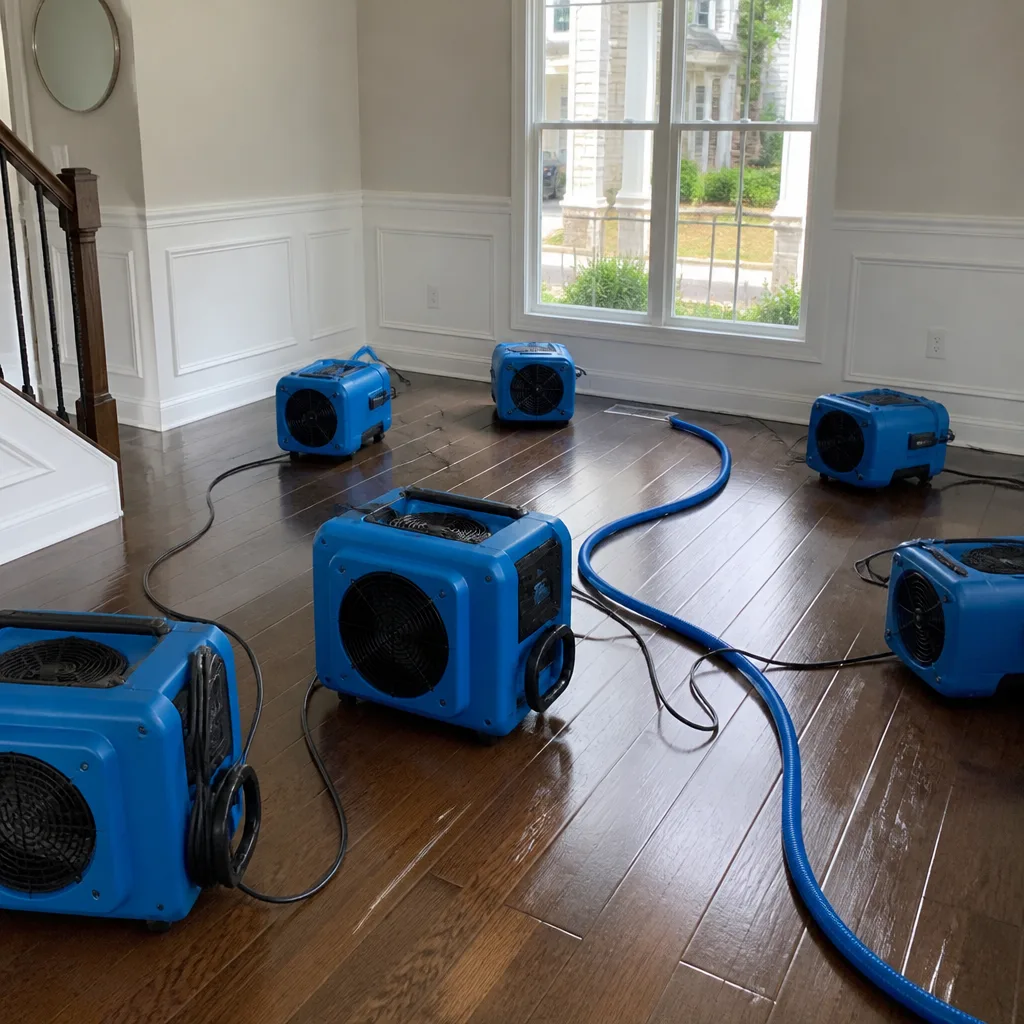
Moisture extraction from building cavities. After water enters through the floor, it moves into wall cavities, under baseboards, behind cabinets, and beneath the subfloor. The moisture in these hidden spaces cannot be reached with a shop vac or a fan. Professional equipment from Dri-Eaz, Phoenix, and XPOWER includes high-volume air movers that create directed airflow across surfaces, combined with dehumidifiers that pull water vapor from the air and create a vapor pressure differential that draws moisture out of building materials. This is a physics process, not a cleaning process. A box fan from Home Depot moves air around the room but does not change the vapor pressure against a saturated drywall panel.
Dehumidification at commercial volumes. A residential dehumidifier removes 20 to 30 pints of water per day. A mid-sized professional dehumidifier removes 70 to 130 pints per day, and restoration crews in Miami typically deploy two or three units per affected room. A saturated 10-foot by 10-foot room in a Coral Gables home holds between 15 and 25 gallons of water in building materials alone, after standing water is extracted. A consumer dehumidifier cannot remove that volume faster than the mold clock runs in Miami’s humidity. It is arithmetic, not preference.
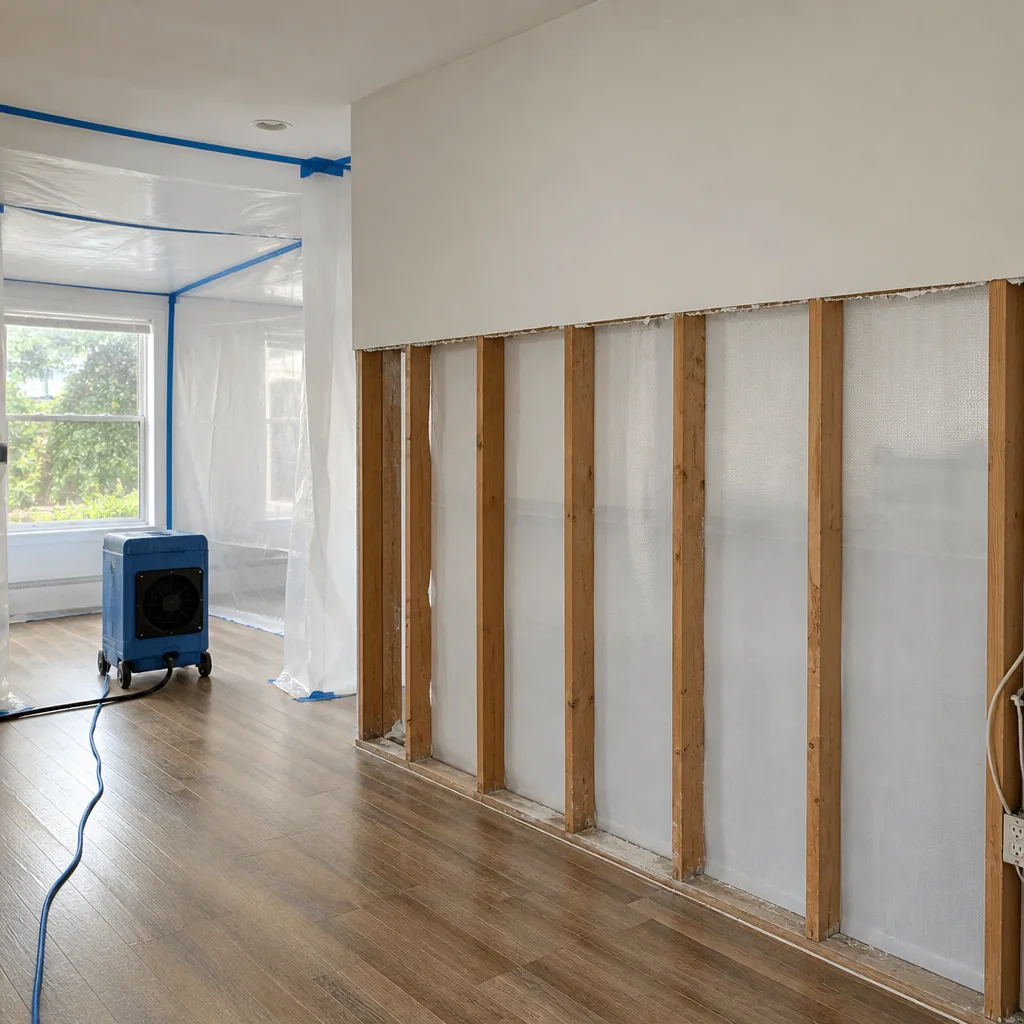
Drying within wall and floor cavities. Injectidry systems push dry air directly into wall cavities and under floor systems through small drilled ports. This is the only way to dry the inside of a wall without removing the drywall, and in many Miami homes, the difference between Injectidry treatment and demolition is the difference between a four-day restoration and a three-week reconstruction. Consumer equipment cannot access these cavities at all.
Sanitization of contaminated water. Gray water and black water carry bacteria, viruses, and in the case of sewage, parasites. The water itself can be extracted with any pump, but the contaminated surfaces require antimicrobial treatment and proper disposal of affected porous materials. This is a health and safety issue, not a cleaning issue. In a city like Miami, where a summer thunderstorm can turn a clean-water window leak into a storm-drain backup within an hour, water category changes fast.
The Florida Mold Statute and Why It Eliminates DIY for Most Water Damage
Florida Statute 468 Part XVI, passed in 2010 and amended since, regulates mold assessment and mold remediation as licensed professions. The law is specific and often misunderstood by homeowners who assume it only applies to commercial practitioners.
The relevant provision: any person who performs mold remediation, defined as the removal, cleaning, sanitizing, or treatment of mold or mold-contaminated surfaces, on an area greater than 10 square feet, must hold a mold remediation license from the Florida Department of Business and Professional Regulation. This applies to paid contractors. It also applies to anyone performing the work, because unlicensed mold remediation is a third-degree felony under Florida law for the person performing it when the scope exceeds the threshold.
In practical terms, this means that any Miami homeowner who discovers visible mold growth larger than about 3 feet by 3 feet cannot legally remediate it themselves without a license, and cannot legally hire an unlicensed handyman or general contractor to do it. The threshold is not ambiguous. Ten square feet is the line. For context, a water event that saturated a single wall in a Doral home will typically produce visible mold on that wall within 5 to 7 days in Miami’s climate, and the visible growth alone will often exceed 10 square feet by the time it is noticed. The hidden growth behind the drywall is nearly always larger than what is visible on the surface.
This is where the DIY question shifts from practical judgment to legal compliance. A homeowner can extract water, move contents, and run fans. A homeowner cannot remediate mold above 10 square feet, period. The moment the water event crosses the 48-hour mark in Miami’s humidity, the homeowner is no longer in a drying situation. They are in a mold remediation situation, and the law says licensed professional. As a Miami mold remediation contractor, we see the 10-square-foot rule catch homeowners off guard. The discovery is usually casual: peeling paint turned into a black stain, or a musty smell that turned out to be a colony behind a bathroom vanity. By the time it is visible, it is a licensed profession job.
The Hidden Cost of Incomplete Drying in a Subtropical Climate
The financial argument for DIY water damage restoration rests on an assumption: that the DIY attempt works. When it works, the homeowner saves the cost of professional equipment and labor. When it fails, which in Miami it usually does for anything beyond the narrow clean-water-under-two-hours window, the homeowner pays substantially more than they would have paid for immediate professional response.
Here is the arithmetic. A professional water extraction in a typical Miami home, covering one or two rooms with no major reconstruction, runs between $1,800 and $4,500 depending on the square footage, water category, and drying duration. When a homeowner attempts DIY drying and calls us five or seven days later because the musty smell appeared, the job has transformed. The affected drywall must be removed, the insulation replaced, the framing treated, and the room addressed as a mold remediation project with containment and air scrubbing. The total cost lands between $6,000 and $15,000, and in cases where mold spread into HVAC ductwork or behind cabinetry, the bill can exceed $20,000.
That is not a 20 percent premium for waiting. It is a 40 to 60 percent increase, and in severe cases a tripling. The premium exists because secondary damage compounds: mold spreads from wet drywall to previously dry framing, flooring adhesives loosen, and the biological contamination requires containment that would not have been necessary during the initial drying window.
There is a second hidden cost: insurance coverage. Most Florida homeowner policies cover sudden and accidental water damage, including the professional drying and restoration bills that follow. Most policies exclude or severely limit coverage for mold damage, especially when the mold resulted from a failure to mitigate within a reasonable time. An adjuster reviewing a claim where a homeowner ran box fans for six days and then reported mold will frequently deny the mold portion of the claim. The initial drying would have been covered. The compounded mold problem often is not. In our experience working with Miami storm damage restoration claims after hurricanes and tropical storms, the claims with the smoothest outcomes are the ones where mitigation started within 24 hours with professional equipment and proper documentation.
How to Verify a Professional’s Drying Results Independently
One legitimate concern homeowners raise is that they do not want to rely solely on a contractor’s word that the walls are dry, especially when that contractor is also the one billing for additional days of equipment rental. The solution is simple and inexpensive: a pin-type moisture meter.
Pin-type moisture meters cost between $20 and $40 at any hardware store or online retailer. They use two small pins pressed against a material to measure electrical resistance, which correlates with moisture content. Wood is measured as a percentage. Drywall is read on a relative scale. The meter provides a real-time reading, and a homeowner can take readings themselves in 15 minutes.
Here is how to verify a professional drying job, step by step:
- Buy the meter and record baseline readings. Take readings from unaffected areas of the home first. A dry interior wall in Miami typically reads between 8 percent and 12 percent on a wood scale. Write down the numbers.
- Take readings in the affected areas after drying equipment is removed. The professional crew should take their own readings in front of you. Use your meter on the same spots. The readings should agree within a reasonable margin, typically 1 to 2 percent.
- Do not accept a single reading as proof. Moisture hides at the bottom of wall cavities, behind baseboards, and under floor transitions. Probe multiple locations, including the areas the crew did not test.
- Compare to the dry baseline. The affected areas should read within 1 to 3 percent of the unaffected baseline. A reading that is 5 percent above baseline means moisture remains, and the drying job is not complete.
A professional restoration company has no problem with a homeowner running independent readings. Our technicians at Marsh Water Damage Miami use IICRC-standard moisture meters from Dri-Eaz and document readings in writing before equipment is removed. If a contractor discourages you from testing, treat that as a red flag, not a technical objection.
One important note: moisture meters measure moisture, not mold. A low moisture reading confirms the structure is dry. It does not confirm that mold spores are absent. If mold is suspected, air sampling or surface sampling by a licensed mold assessor is the appropriate test, and that requires a professional by state law.
Common Mistakes to Avoid
- Opening windows to dry out a flooded room in Miami. Outdoor air in Miami carries more moisture than the indoor air it replaces from May through October. Opening windows raises the indoor dew point and accelerates mold growth. Keep windows closed and run the AC if it still works.
- Running a household dehumidifier for three days and calling it done. A residential dehumidifier pulls a fraction of the water that a commercial unit pulls, and it does not create the airflow patterns needed to dry wall cavities. The surface may feel dry while the cavity behind the baseboard is saturated and growing mold.
- Cutting out wet drywall before photographing the damage. This is the single most expensive mistake in Florida water claims. Insurance adjusters in Miami routinely deny or reduce claims where the affected materials were demolished before documentation. Photograph first, then extract, then wait for the adjuster or the restoration contractor.
- Assuming clean water because the source was a sink or pipe. Clean water becomes gray water within 48 hours of sitting in a building, and in Miami’s heat and humidity, the deterioration is faster than the EPA’s general timelines. If the water sat overnight in a warm home, treat it as contaminated.
- Hiring an unlicensed handyman for mold removal above 10 square feet. Florida Statute 468 Part XVI makes unlicensed mold remediation a felony for the person doing the work. The homeowner was not the one who broke the law, but the homeowner hired someone who did, and the cleaning was not performed to a legal or professional standard.
- Believing a fan pointed at a wall is drying the wall. Fans move surface air. They do not create the vapor pressure differential that moves moisture from inside building materials to the room air. The wall feels dry on the outside and stays wet inside. Consumer-grade air movement is the most common cause of the delayed mold discovery call in Miami.
- Paying for restoration work without a written scope. A legitimate restoration company in Miami writes down exactly what work will be done and what it will cost before starting. If a contractor will not put the price in writing before demo begins, walk away. This is non-negotiable in Florida’s restoration market, where post-disaster pricing disputes are common enough to have generated their own body of case law.
When to Call a Professional
Call a professional restoration company in Miami when any of the following are true: the water is gray or black, the water event happened more than two hours ago, the home lost air conditioning or power during or after the event, visible mold is present on any surface, the water reached wall cavities or under flooring, or anyone in the home has asthma, allergies, immune conditions, or respiratory sensitivity.
For Miami homeowners, the safer default position is to call early. A phone call costs nothing. A professional evaluation can confirm that your DIY plan is sufficient or identify a risk you did not see. Marsh Water Damage Miami offers free estimates in Miami, and a live person answers the phone 24 hours a day, 7 days a week including holidays at (689) 888-7601. The trained eye sees what the untrained eye misses, and in Miami’s humidity, what the untrained eye misses is usually the difference between a cleaning project and a mold remediation project.
Frequently Asked Questions
Yes, if the water is clean, the event happened under two hours ago, the home never lost AC, and the affected materials are non-porous or fully removable. Anything beyond that narrow scenario in Miami’s humidity requires commercial drying equipment, and attempting DIY drying beyond the window typically converts a $2,000 drying job into a $6,000 to $15,000 mold remediation project. If you are not sure, call a professional for an evaluation; the estimate is free at (689) 888-7601.
Most residential water extractions in Miami run between $1,800 and $4,500 for one to two affected rooms with standard drying, and $6,000 to $15,000 when mold growth requires containment and remediation. The final price depends on the water category, square footage affected, whether the home lost climate control, and how quickly mitigation started. Insurance typically covers the drying portion of sudden and accidental water events.
Mold spores can germinate and establish colonies within 48 to 72 hours when indoor humidity stays above 60 percent, and Miami’s indoor humidity rarely drops below that level when the AC is off. In homes where the HVAC failed or power was lost, visible mold can appear within 3 to 5 days. This is why Miami’s effective DIY window for water damage is measured in hours, not days.
No, not for visible mold above 10 square feet. Florida Statute 468 Part XVI requires a licensed mold remediator for any mold removal, cleaning, or treatment exceeding 10 square feet of visible growth, regardless of who performs the work. Unlicensed mold remediation is a third-degree felony in Florida. The law applies to homeowners and unlicensed contractors alike.
Most Florida homeowner policies cover sudden and accidental water damage, including professional drying and restoration. Most policies exclude or limit mold damage, especially when the mold resulted from delayed mitigation. The practical takeaway: call for professional drying immediately after a covered water event, document everything with photos, and the claim has a much higher likelihood of full coverage. Call (689) 888-7601 if you need help navigating the documentation.
Buy a pin-type moisture meter for under $40 at any hardware store. Take baseline readings from unaffected walls, then compare readings from the affected areas after the drying equipment is removed. Affected areas should read within 1 to 3 percent of the baseline. Any professional restoration company should welcome independent verification; ours does, and our technicians document their own readings in writing before removing equipment.
The Bottom Line
The DIY versus professional question in Miami is not about whether you can operate a shop vac. It is about whether you can outrun a biological clock that runs on subtropical humidity, warm temperatures, and the dew point of a coastal city. In the narrow window of a clean-water event caught within two hours in a climate-controlled home, DIY extraction and content movement is sensible and saves money. Everything beyond that window requires commercial drying, professional judgment, and in the case of mold above 10 square feet, state licensure. The most expensive sentence we hear in this work is: “I thought I could dry it out myself, and now it smells.” By the time a Miami home smells like water, the problem is not water anymore. For a free estimate and an honest assessment of whether your situation is a DIY job or a professional one, call Marsh Water Damage Miami at (689) 888-7601, or explore more guides & resources on protecting your home. A live person answers, day or night.
Written by Tobias Reyner, Owner at Marsh Water Damage Miami, serving Miami since 2005.
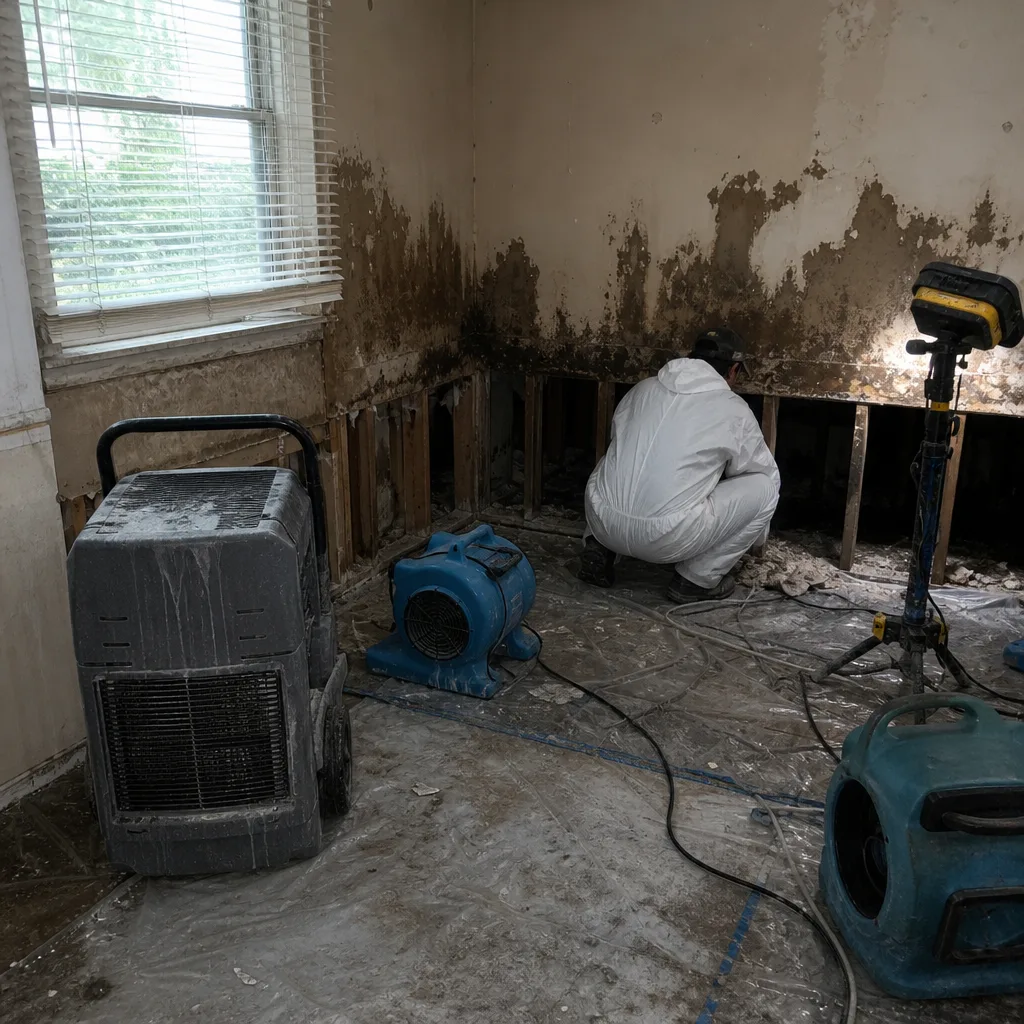
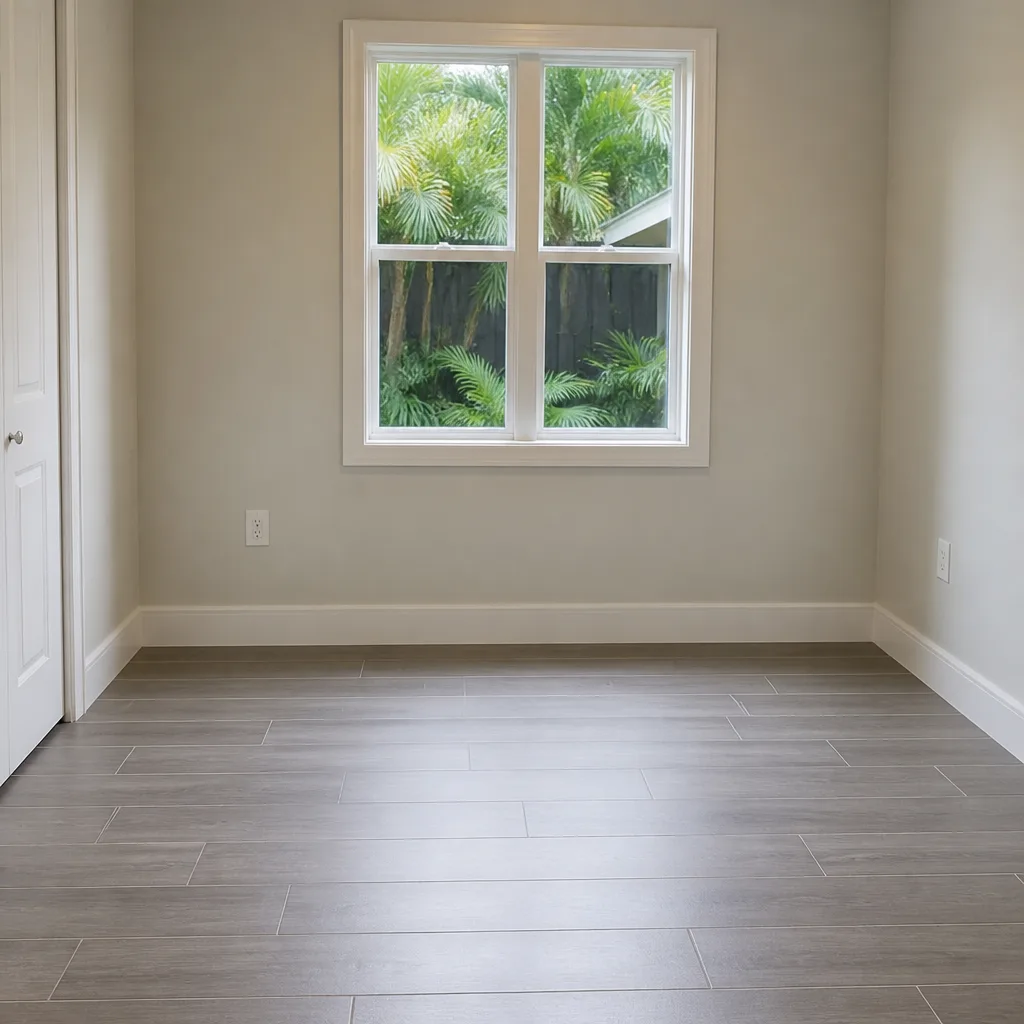
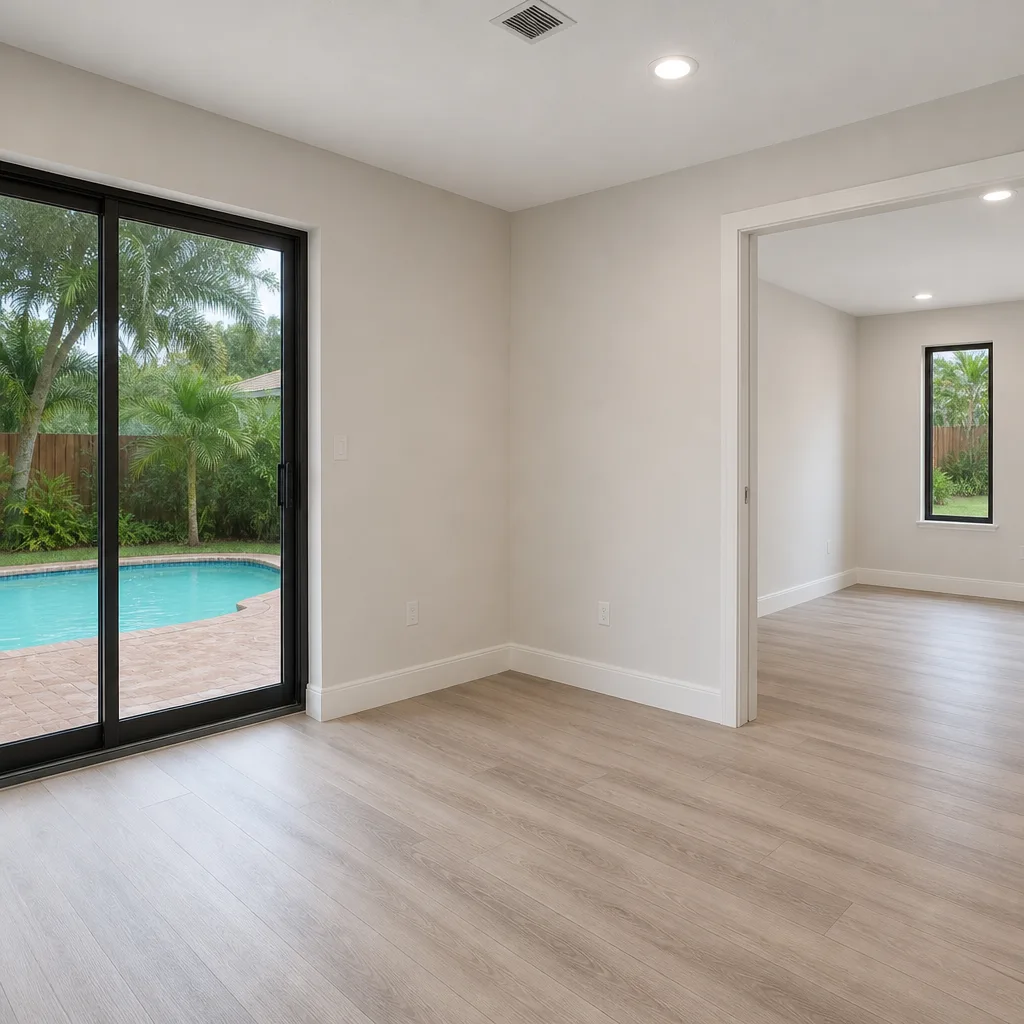
See the difference
 Before
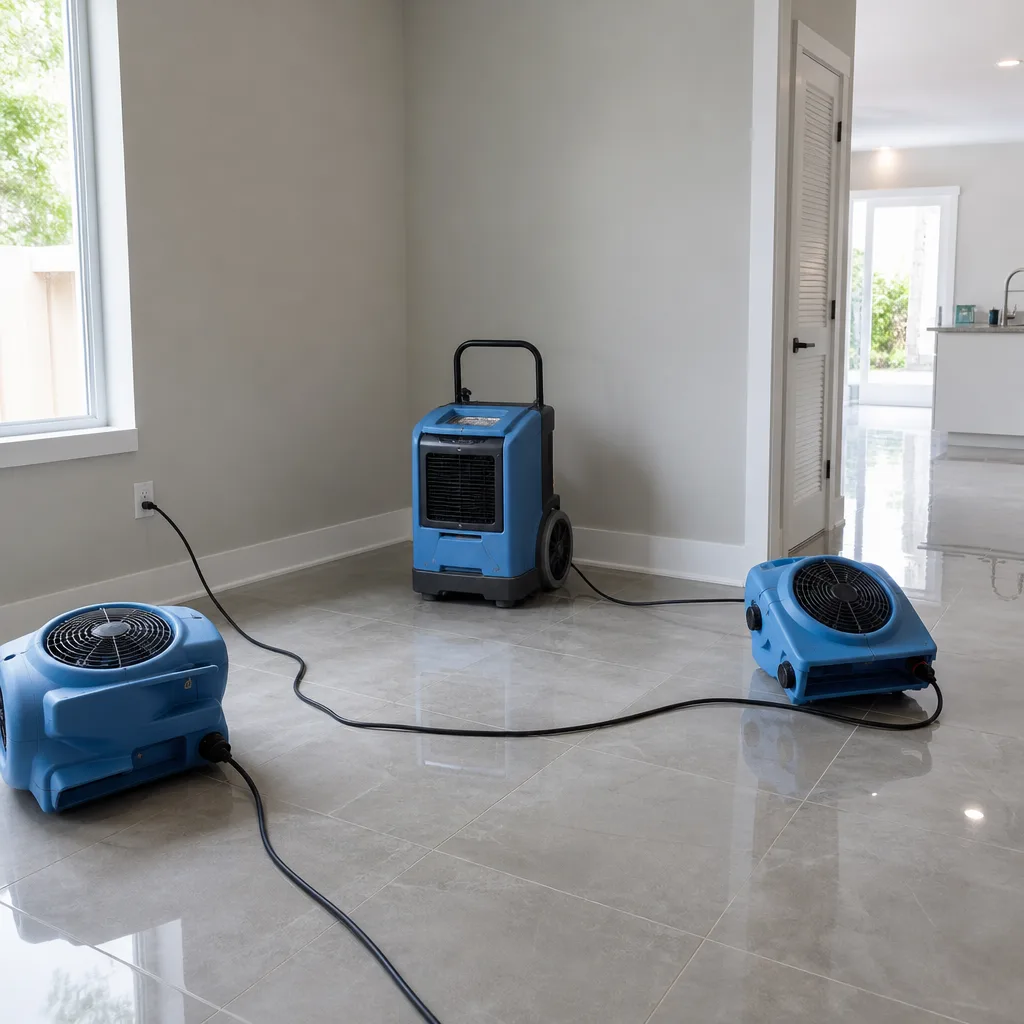
 After
After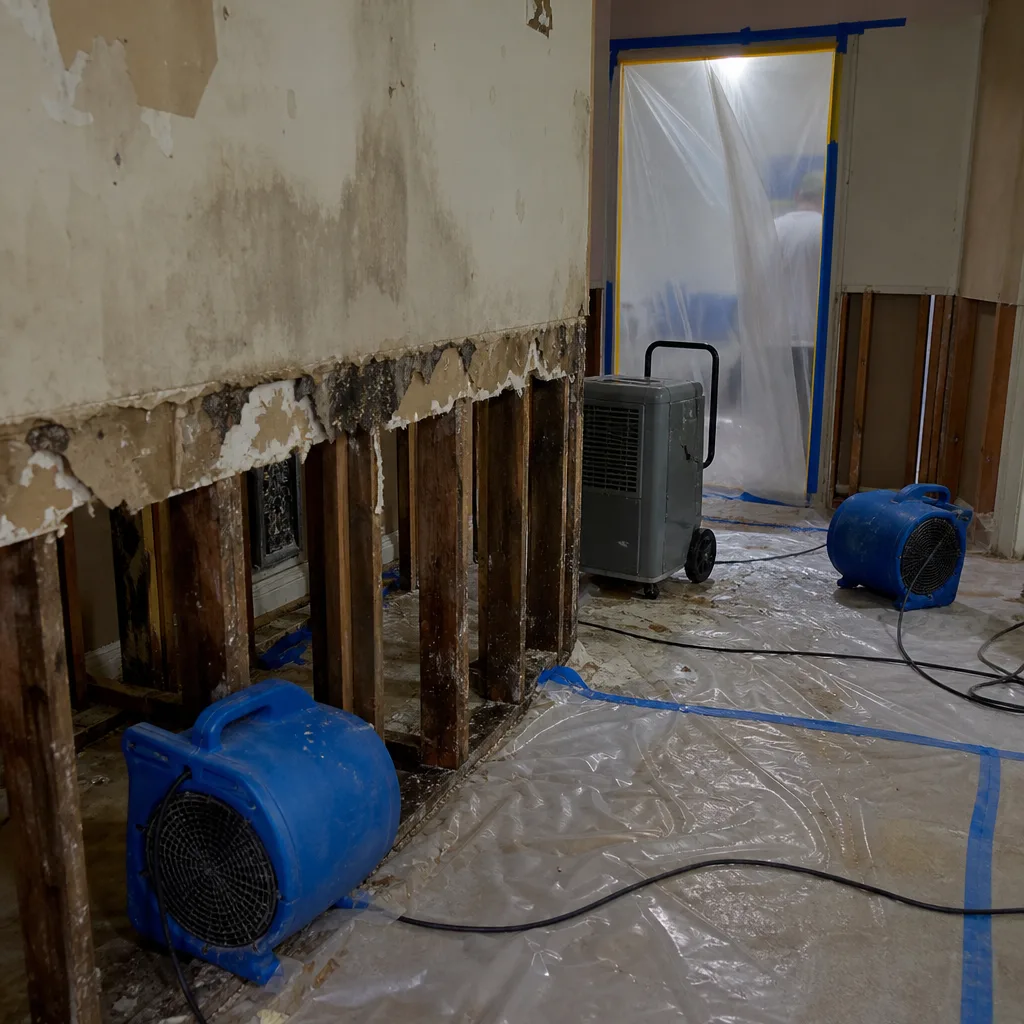 Before
 After
After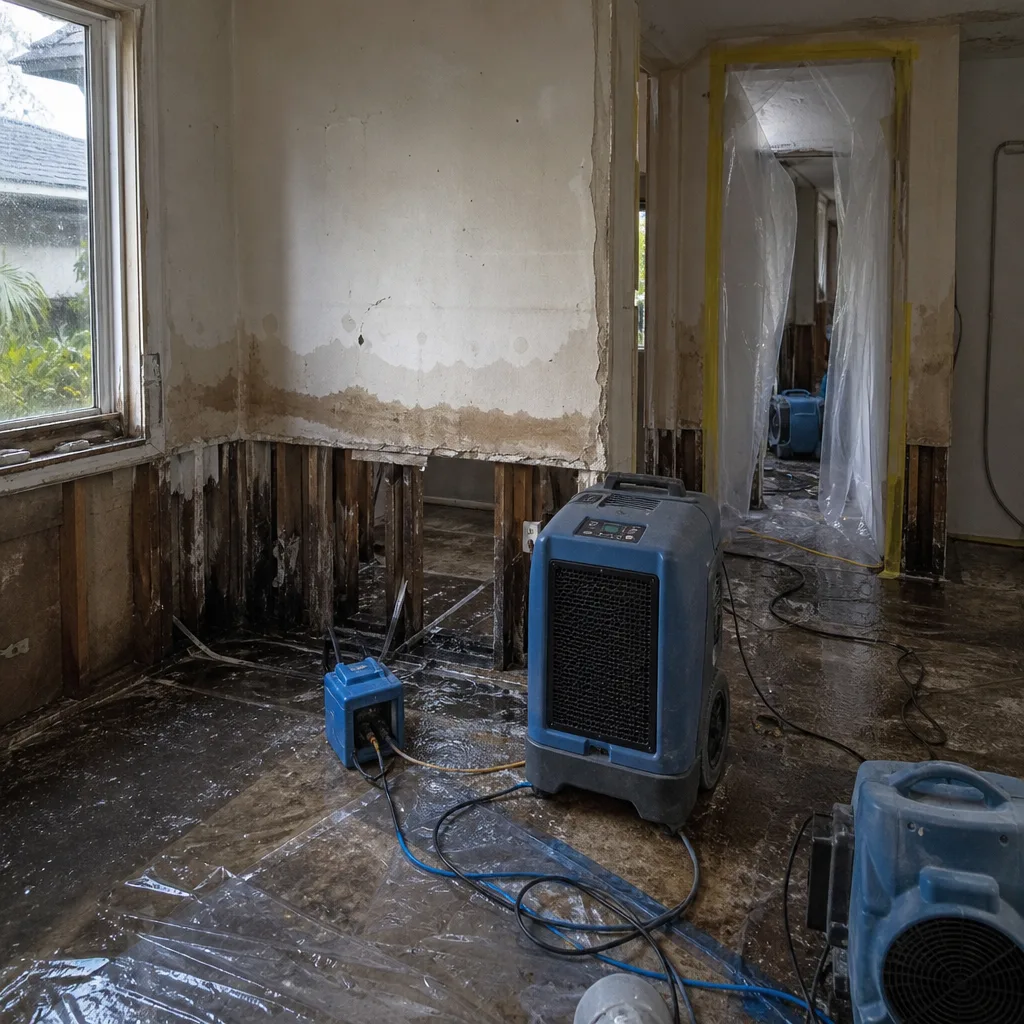 Before
 After
After