
Last updated October 16, 2026
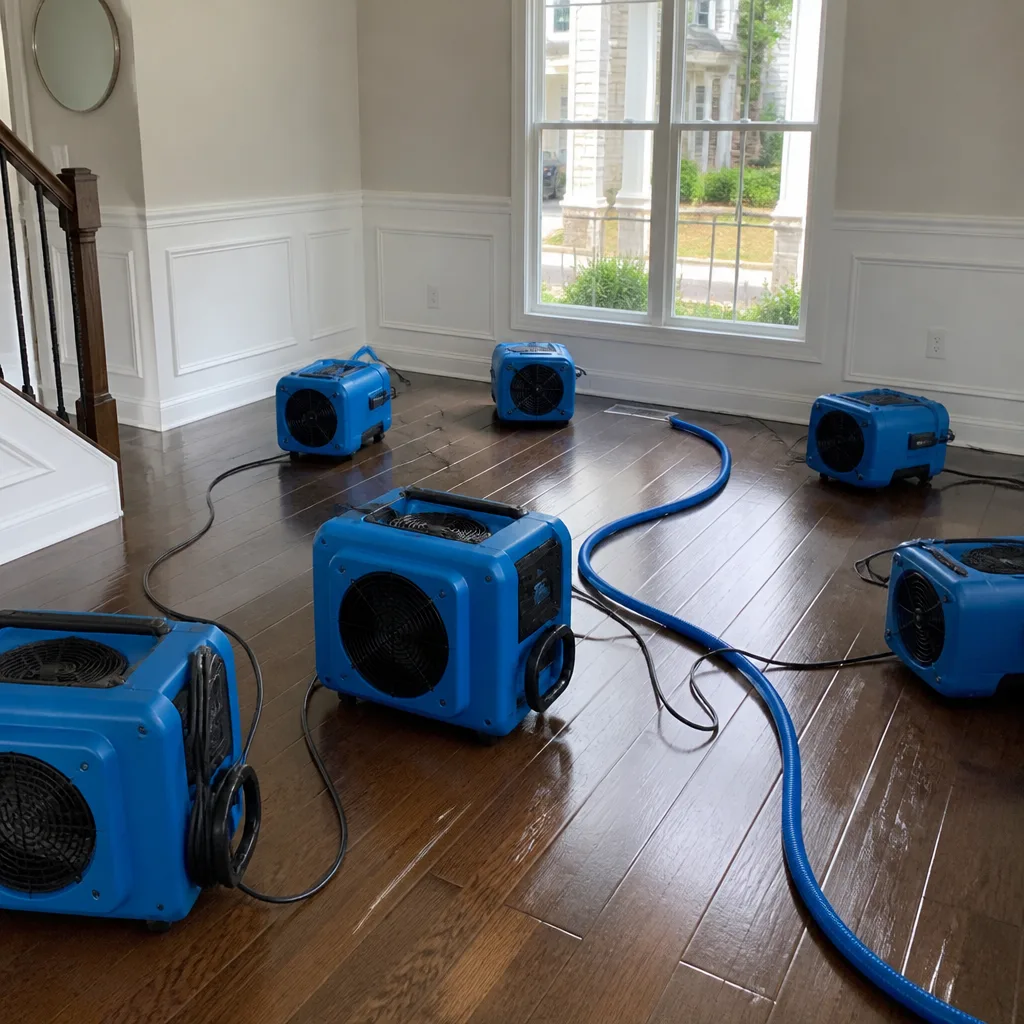 Water damage drying
 Fire & smoke cleanup
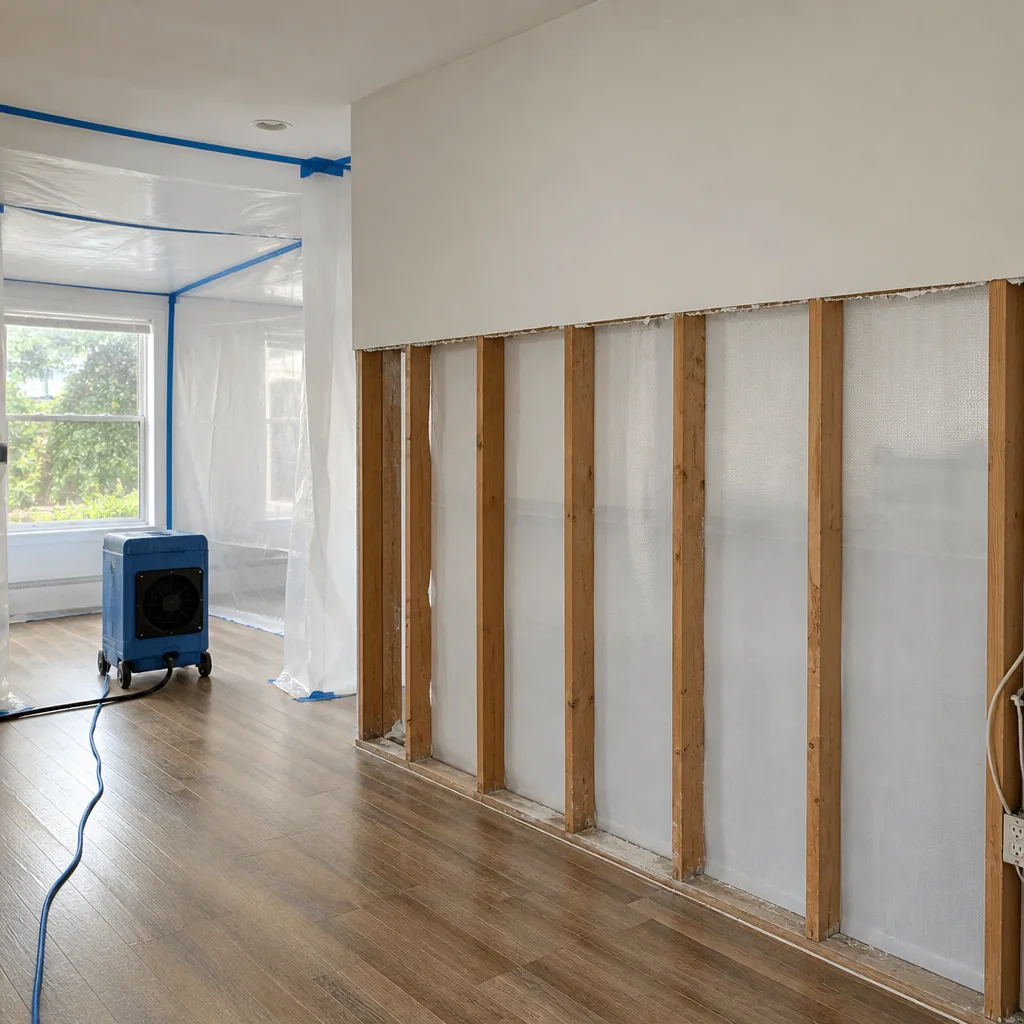 Mold remediation
 Storm response
 Sewage cleanup
 Reconstruction
Free visual inspection and a written scope of work before any mitigation begins - photos, moisture readings, and drying logs go in your claim file
The scope we write is the scope we bill. Anything new gets shown to you, in writing, before we touch it.
Get your free estimateSeasonal Damage Restoration Care for Miami: Year-Round Homeowner’s Guide
Miami doesn’t have four seasons. It has two damage seasons, and they operate on entirely different physics. From November through April, the weather outside is gorgeous and dry, which is exactly why it’s the most dangerous time for the plumbing inside your walls. Cooler overnight temperatures cause copper pipes to contract. After years of expansion in relentless summer heat, that contraction is often the final nudge that turns a hairline pinhole into an active leak. This guide and our Complete Guide to Damage Restoration in Miami explain the real Miami damage calendar, what to do in each window, and how to prepare your home so that a seasonal shift never becomes a restoration job.
Restoration work we handle
Quick Answer
Seasonal damage restoration care in Miami means preparing for two distinct threat windows: June through October (hurricane and convection-storm driven wind and water intrusion) and November through May (plumbing failures, AC condensate overflows, and roof drainage problems triggered by cooler temperatures). The highest-value work happens in the transition months of May and November, when maintenance prevents the largest number of claims. Most residential water extractions in Miami run between $1,800 and $4,500 before drying equipment is staged-see our Damage Restoration Cost Breakdown for 2026 for full details-and a live person should answer your restoration call 24/7 because water moves through drywall at roughly one inch per hour.
Table of Contents
- The Real Miami Damage Calendar
- Why Miami’s Dry Season Is Actually Peak Pipe-Burst Season
- Hurricane Prep Most Miami Homeowners Skip: The Interior Risks
- Why January and February Demand a Roof Inspection After Cold Fronts
- The Transition Months: May and November as Your Highest-Value Maintenance Windows
- AC Condensate Lines: Miami’s Most Overlooked Interior Flood Source
- Building a Year-Round Maintenance Log That Protects Your Insurance Claim
- Common Mistakes to Avoid
- When to Call a Professional
- Frequently Asked Questions
- The Bottom Line
The Real Miami Damage Calendar
Most seasonal maintenance guides are written for places with frost, snowmelt, and spring thaws. Apply that logic in Miami and you’ll be caulking windows while a pinhole leak soaks the studs behind your kitchen cabinets. Our Water Damage Restoration in Miami calls follow a pattern we can set a clock by.
Here’s the actual Miami damage calendar:
- May: First heavy convective storms. Clogged gutters and downspouts reveal themselves fast. AC systems start running continuously, exposing condensate line clogs.
- June – October: Hurricane season proper. Wind-driven rain finds every gap in flashing, every dry-rotted window frame, every patio door seal that’s been quietly failing. Storm water intrusion is the dominant call type.
- November: First genuine cold fronts arrive. Overnight lows drop into the 50s and 60s. Copper supply lines contract. Pinhole leaks that summer heat had sealed shut begin weeping. Call mix shifts sharply from storm-related to pipe-related.
- December – February: Peak plumbing failure window. This is when Miami sees its highest volume of hidden slab leaks and in-wall pipe bursts. Cold snaps, even brief ones, stress aging copper and CPVC joints.
- March – April: Shoulder season. Lower call volume overall, but a spike in “we found mold behind the furniture” calls as homeowners open windows and move things around during spring cleaning.
- Transition weeks (early May, late October/early November): The highest-value maintenance windows. Work done here prevents the largest number of subsequent claims.
If you only remember one thing from this guide, remember this: when the weather is nicest in Miami, your plumbing is under the most stress. The two are causally linked.
Why Miami’s Dry Season Is Actually Peak Pipe-Burst Season
It sounds backwards. November through April is Miami’s dry season, the stretch when winter visitors arrive and locals finally turn off the AC for a few days. Yet it’s when we get the most frantic calls about water pouring through ceilings in Coral Gables, Pinecrest, and Kendall.
The mechanism is thermal expansion and contraction. Most Miami homes built before 2000 contain copper supply lines. Copper expands in heat, contracts in cold. Miami’s summer heat is relentless, cycling attic and wall cavity temperatures well past 100°F for months at a time. That constant expansion slowly works against every solder joint, every elbow, every valve connection. Then a December cold front drops overnight temperatures into the 40s. The copper contracts. A joint that was just barely holding, held in place by the outward pressure of expanded metal, now has room to leak. The leak is almost always slow at first, a seep, then drips, then a steady flow once the pinhole widens under pressure.
What we see in homes across Miami:
- Slab leaks in older single-story homes: Copper lines run beneath the foundation. When they fail in the dry season, the first sign is often a warm spot on the tile floor or a sudden unexplained spike in the water bill.
- In-wall pinhole leaks: Common in condos and townhomes with vertical copper risers. The first sign is bubbling paint or a soft patch of drywall, often behind a bathroom wall shared with a neighbor.
- Attic pipe joint failures: Cold nights cause the sharpest contraction at the highest point of the home. A failed joint in the attic releases water onto ceiling drywall, and by the time the stain appears, the water has already traveled along joists and spread much farther than the visible mark.
What to do during the dry season:
- Know where your main water shutoff is, and verify it turns freely. If it’s rusted or stiff, replace it now, not during an emergency at 2 AM.
- Watch your water bill. Miami-Dade Water and Sewer bills monthly. A 20% unexplained jump is almost always a hidden leak, not a changing habit.
- Listen for phantom water sounds. A toilet running intermittently, a faint hiss behind a wall, a hot water heater that cycles on when no water is being used. All three point to water moving where it shouldn’t be.
- Check exposed pipes in garage ceilings and under sinks each December and January. Green corrosion at joints is a warning sign, not just a cosmetic issue.
If you find a leak, the clock starts immediately. Drywall wicks moisture at roughly one inch per hour. A small pinhole leak inside a wall cavity can saturate 20 square feet of gypsum board in a day. The sooner extraction starts, the less demolition the job requires. That’s the economic argument for a rapid response, and it’s why the Marsh Water Damage Miami home team answers calls live at any hour, not with a call-back system.
Hurricane Prep Most Miami Homeowners Skip: The Interior Risks
Every Miami homeowner knows the exterior drill: shutters or impact windows, patio furniture secured, vehicles moved to high ground. The interior prep is what separates homes that dry out quickly from homes that sit wet for days after a storm passes. And in Miami’s humidity, days of sitting wet is the difference between a water extraction and a full Mold Remediation in Miami job.
Here’s the interior prep sequence we recommend to every client before a named storm approaches:
- Document your home’s pre-storm condition. Use your phone. Walk every room, every closet, every ceiling corner. Film in short clips, narrate dates and descriptions. This is contemporaneous documentation that insurance adjusters and our own claims coordinators use to establish what damage is storm-related versus pre-existing. It’s fifteen minutes of work that can protect a five-figure claim.
- Shut your main water valve if you evacuate. A storm can break a window, let water in, and that water will find your electrical system. But it can also shift the house frame enough to crack a pipe joint. Shutting the main valve eliminates the possibility of a post-storm plumbing flood compounding a wind intrusion.
- Clear your AC condensate line. Before the storm, pour a cup of white vinegar down the condensate drain access port. Storms bring days of high humidity and continuous AC runtime. A partially clogged line that was managing fine will overflow when the system works nonstop through a humid week.
- Move valuables and documents off floor level in flood zones. If you’re in a South Florida Water Management District flood zone, assume water may enter. Move documents, electronics, and anything irreplaceable to at least counter height, preferably upper shelves or a second floor.
- Stage drying equipment contacts ahead of time. After a storm, the first companies to get overwhelmed are the local water damage firms. Knowing exactly who you’ll call, having their number saved, and understanding their process eliminates the frantic search during the worst possible moment.
One more thing that’s rarely mentioned: know whether your policy covers wind-driven rain separately from flood. Standard homeowners policies in Florida cover wind-driven rain intrusion through a storm-created opening. Flood water rising from the ground is a separate NFIP or private flood policy. The distinction determines the entire claims path, and our team coordinates directly with adjusters on Storm Damage Restoration in Miami jobs to document which water came from where.
Why January and February Demand a Roof Inspection After Cold Fronts
Miami tile roofs are built to shed rain, not handle temperature swings. A barrel tile roof that’s been in place for 15 or 20 years has weathered hundreds of rain events, but it’s the cold fronts that quietly destroy it. When overnight temperatures drop into the 40s after months of 80-degree heat, the concrete or clay tiles contract. The underlayment beneath them, often an older felt product, doesn’t flex the same way. Hairline cracks form at the tile edges. Flashing at valleys and penetrations pulls slightly away from the roof deck. None of this is visible from the ground, and none of it leaks during the cold front itself.
The leak shows up weeks later, during the first heavy rain of spring, when water finds the gap that contraction created.
That’s why January and February are the right months for a roof inspection in Miami. Not because the roof is failing then, but because the thermal stress is at its maximum and the visual evidence is fresh. An inspector walking the roof after a cold front can spot:
- Cracked or shifted tiles at hips and ridges, where contraction forces concentrate.
- Lifted flashing around vent pipes, skylights, and chimney penetrations.
- Underlayment wear visible at the eaves, where the material has been exposed to heat repeatedly.
- Debris accumulation in valleys that will redirect water under tiles once the rainy season arrives.
If you skip this inspection and the spring rains expose a roof leak, the water enters the attic and travels in ways that are invisible from the living space. By the time a ceiling stain appears, the insulation is saturated, the drywall is compromised, and the repair scope has tripled. January and February maintenance on a Miami roof is one of the cheapest insurance policies available to a homeowner.
The Transition Months: May and November as Your Highest-Value Maintenance Windows
If we could wave a wand and get every Miami homeowner to do one thing, it would be this: book a half-day of maintenance in early May and another in early November. Those two windows prevent more claims than anything else on a calendar.
Early May: The dry season is ending. The first afternoon thunderstorms are forming. This is when you prepare for water coming at you from outside. Clear gutters and downspouts. Inspect flashing. Clean or replace AC filters and clear the condensate line. Check the weatherstripping on every exterior door. Walk the perimeter and look for any place where water can pool against the foundation. These tasks cost a few hours and maybe $300 in parts. They prevent the majority of June storm-intrusion claims we see in neighborhoods like Coconut Grove and South Miami.
Early November: The rainy season has ended. The first cold fronts are arriving. This is when you prepare for water coming from inside your walls. Inspect exposed copper for corrosion. Test your main shutoff valve. Check under every sink for slow drips that summer humidity masked. Look at your water bill for the last three months and compare consumption. These tasks-spelled out in our Water Damage Restoration Maintenance Checklist for Miami Homeowners-catch the pinhole leaks and failing joints before they become overnight floods. They prevent the majority of December-through-February pipe-burst calls we respond to in neighborhoods like Coral Gables and Doral.
The reason these two months matter so much is that they’re the off-ramps. Water damage claims in Miami spike after weather transitions, not during them. Work done in the transition window reduces the spike. We’ve seen it in our own call data, and it’s the single strongest argument for proactive maintenance we can make to a skeptical homeowner.
AC Condensate Lines: Miami’s Most Overlooked Interior Flood Source
Your air conditioner in Miami runs almost every day of the year. As it cools, it pulls moisture from the air. That moisture drains through a thin PVC pipe called a condensate line. When that line clogs, usually from algae and biofilm that thrive in Miami’s warm humidity, the water backs up. It overflows the drain pan. It soaks the drywall in the ceiling below the air handler, and it keeps doing it as long as the AC runs.
We respond to these calls year-round in Miami, but the pattern peaks right after the first extended heat wave each spring, when systems that ran lightly all winter suddenly cycle on for 16 hours a day. A partially clogged line that was barely keeping up with occasional winter use overwhelms immediately.
Signs your condensate line is about to fail:
- Water stains on the ceiling below the air handler or on the wall adjacent to the indoor unit.
- A musty smell near the indoor unit that doesn’t clear when filters are replaced.
- Constant dripping or a small puddle at the exterior condensate drain during dry weather.
- The drain pan under the unit holds standing water even a day after the AC cycles off.
Prevention is mechanical and cheap: pour one cup of white vinegar into the condensate drain access port monthly during heavy-use months. Have the line blown out by an HVAC tech twice a year, ideally in May and November. And install a float switch if your system doesn’t have one. A float switch shuts the AC off when the drain pan fills, preventing overflow. It’s a $150 part and a 30-minute installation that prevents thousands in ceiling and drywall repair.
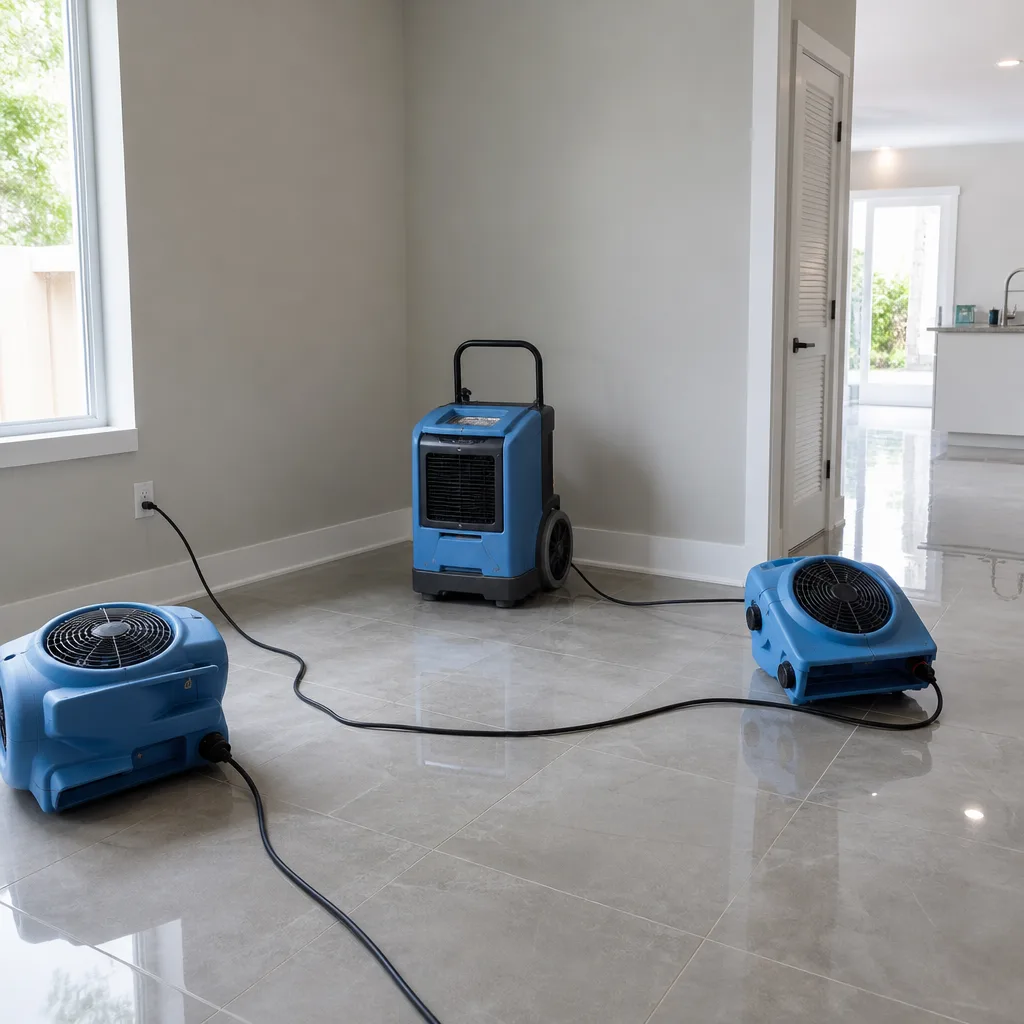
If a condensate overflow has already happened, the water extraction and drying process is the same as any other category of water damage. What varies is the repair scope, which depends on how long the water sat before anyone noticed. In Miami’s humidity, mold colonization on wet drywall can begin within 48 to 72 hours. The Mold Remediation in Miami team at Marsh uses professional drying equipment from Dri-Eaz and Phoenix to get the structure genuinely dry, not just surface-dry, before repairs begin.
Building a Year-Round Maintenance Log That Protects Your Insurance Claim
Here’s a hard truth from two decades of restoration work in Miami: insurance companies settle claims faster and more favorably when the homeowner can demonstrate consistent maintenance. A dated, documented maintenance history turns “sudden and accidental” claims from a point of argument into a straightforward approval. It also protects you when a claim is disputed. If you can show three years of documented roof inspections and plumbing checks, an adjuster has a much harder time arguing the damage resulted from long-term neglect.
What a credible maintenance log contains:
- Dates and descriptions. “November 3, 2025: Cleared gutters, inspected flashing at all penetrations, noted small gap at chimney flashing.” Specific beats vague.
- Photos or video. Take them during the maintenance. Store them in a folder, labeled by date. Cloud storage is best, because a phone in a flooded home is useless.
- Receipts for materials and professional services. The $300 you paid a roofing company to reseal flashing in May is evidence of stewardship.
- Notes on water bill comparisons. Monthly consumption figures, noted and tracked. A sudden jump documented in real time is powerful evidence in a hidden-leak claim.
- Any professional inspection reports. Roof inspections, plumbing scopes, AC service records. All of it.
This log is not just an insurance tool. It’s a maintenance tool. When we walk into a Miami home with water damage, the first questions we ask are about when things were last inspected, what was found, and what was done. A homeowner with a log answers those questions in minutes. A homeowner without one spends weeks reconstructing a timeline while the damage claim sits open.
We recommend a simple approach: a notes app or a paper notebook kept in a known drawer. Five minutes per month. The return on that investment, measured in claim outcomes and reduced damage, is the highest of any maintenance activity in this guide.
Common Mistakes to Avoid
- Treating the calendar like it’s generic. Following a national maintenance checklist written for four-season climates means you’re inspecting frost-proof spigots while a pinhole leak soaks your kitchen wall. Miami’s damage calendar is specific to Miami. Use it.
- Ignoring small water bill increases. In Miami, where irrigation systems and pools make baseline usage variable, a 15-20% jump in winter months is often written off as “running the heat” or “watering more.” It’s usually a leak.
- Deferring AC maintenance until summer. By the time the AC is running hard enough to expose a clogged condensate line, the line is already overflowing. Clean it before the heat arrives, not during.
- Skipping the post-cold-front roof check. The thermal contraction damage happens in January. The leak happens in March. Inspecting after the cold front is the only way to catch the cause before the symptom appears.
- Not knowing where the main water shutoff is. Every minute you spend searching for the shutoff valve during an active leak is a minute of water spreading through the structure. Know the location. Test the valve. Teach everyone in the house.
- Documenting the home only after damage occurs. Pre-storm video of every room takes fifteen minutes. Post-storm, you’ll wish you had it. The claims process moves measurably faster when pre-existing condition is clearly documented.
When to Call a Professional
Some Miami seasonal damage is manageable with a wrench and a trip to the hardware store. A slow sink-drain P-trap leak, a visible toilet supply-line drip, a gutter that needs re-securing. That’s homeowner work. But water inside walls, ceilings, or under flooring is not. Water damage restoration requires professional-grade extraction equipment, moisture mapping to determine how far the water traveled, and structural drying that reads the actual moisture content of building materials, not just the surface. We use psychrometric readings (measuring the moisture in the air) and moisture meters to confirm a structure is genuinely dry, because Miami’s ambient humidity will fool a casual inspection every time. If you see ceiling stains, bubbling paint, warped flooring, or smell mustiness that doesn’t go away, call. Marsh Water Damage Miami home offers free estimates across Miami, and a live person answers 24/7 at (689) 888-7601.
Frequently Asked Questions
Most residential water extractions in Miami run between $1,800 and $4,500, including extraction equipment, drying equipment placement, and moisture monitoring. Full structural drying and repair work varies widely based on the affected square footage and whether mold is present, but a written price is provided before any work begins.
Most Florida homeowners policies cover sudden and accidental plumbing failures like a burst pipe, and wind-driven rain through a storm-created opening, but not flood water rising from the ground, which requires a separate flood policy. Our team documents everything with photos and coordinates directly with adjusters to support your claim.
Our team answers live 24/7 and dispatches immediately after your call. In most Miami neighborhoods, our technicians arrive within hours, not days, because water continues spreading through drywall and flooring until extraction begins. Call (689) 888-7601 the moment you discover water.
If water has penetrated porous materials like drywall, insulation, or carpet padding, surface cleaning won’t reach the moisture trapped inside. In Miami’s humidity, that trapped moisture supports mold growth within 48 to 72 hours. Our moisture mapping determines exactly what needs drying and what needs removal, and the written scope shows you precisely what’s required before work starts.
You can, but you don’t have to go it alone. Our team documents every affected area with photos, maps moisture readings, and reports directly to your adjuster in the format they request. This direct coordination is standard on every Marsh Water Damage Miami job, not an add-on service.
May is the transition from dry season to rainy season, when exterior drainage, flashing, and AC condensate systems need to be ready for heavy daily storms. November is the transition from rainy season to cool season, when thermal contraction starts stressing copper plumbing and roof structures. Work done in these two months prevents the majority of the water damage calls we respond to in Miami.
The Bottom Line
Miami’s damage calendar is specific, and it runs opposite to the standard homeowner’s intuition. The storms get the headlines, but the plumbing failures do the quiet, expensive work. The good news is that both threat windows are manageable with a few hours of work in the right months. Maintain your AC condensate line in May. Inspect your copper plumbing and roof in November. Document everything. Know your shutoff location. Keep the maintenance log, and explore more guides & resources for year-round protection. And when water makes it into the structure despite your best preparation, call a team that arrives verified, with a written price before work begins and a printed 365-day guarantee on the repair. That’s how a Miami homeowner stays ahead of the two seasons that actually matter.
Written by Tobias Reyner, Owner at Marsh Water Damage Miami, serving Miami since 2005.
See the difference
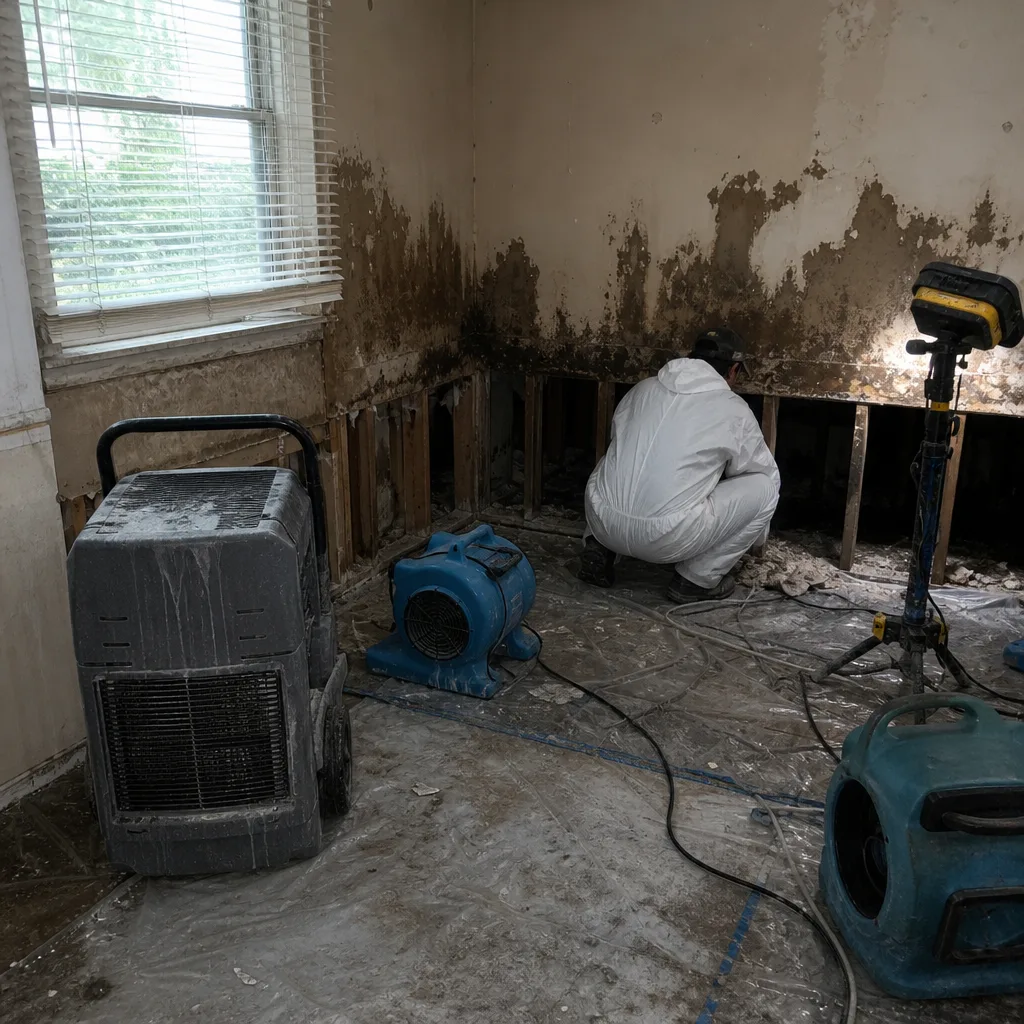 Before
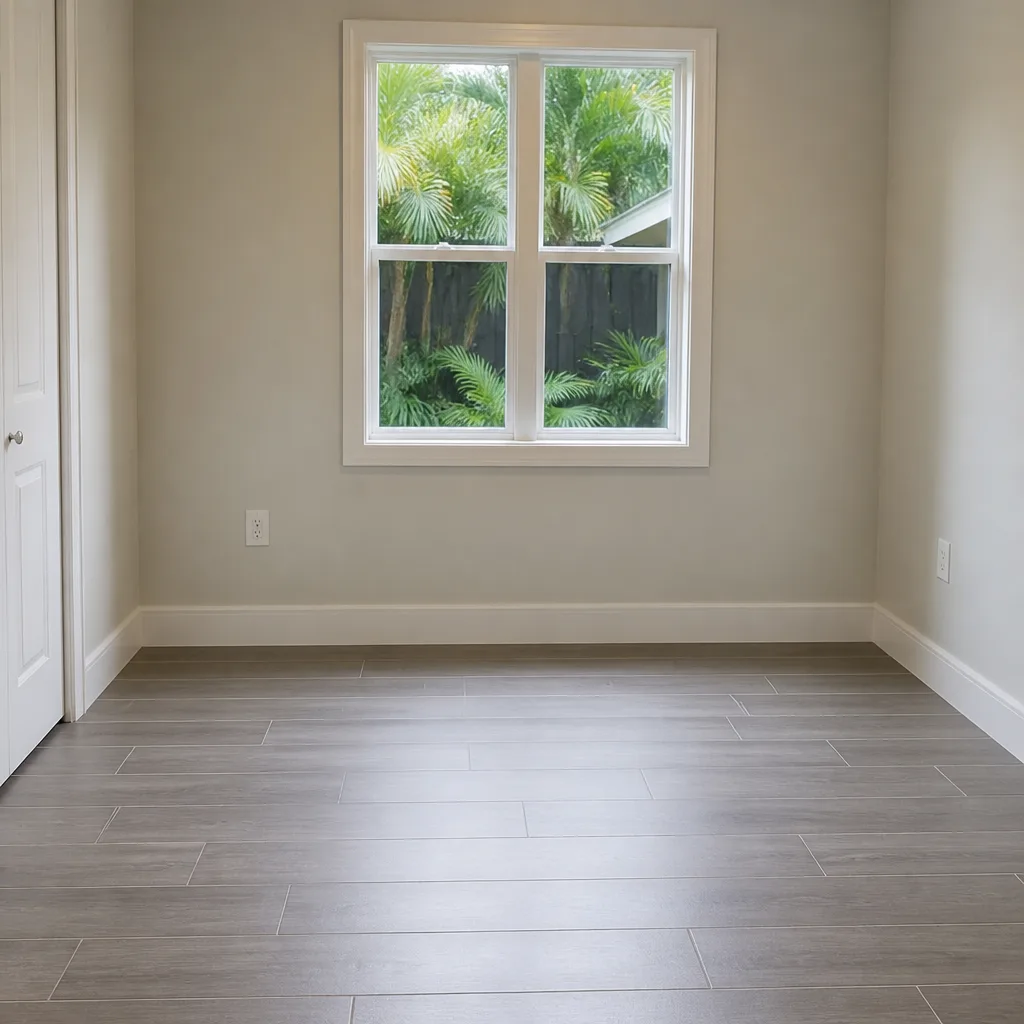 After
After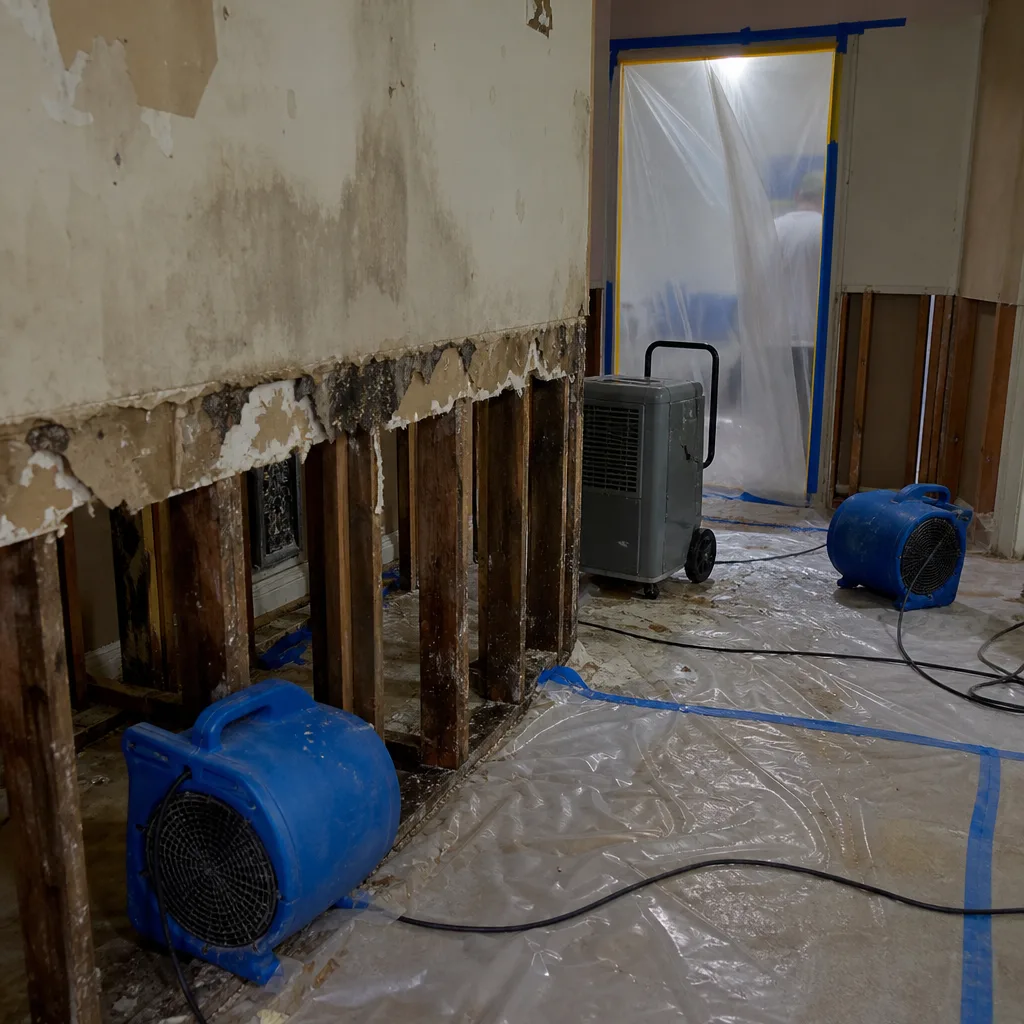 Before
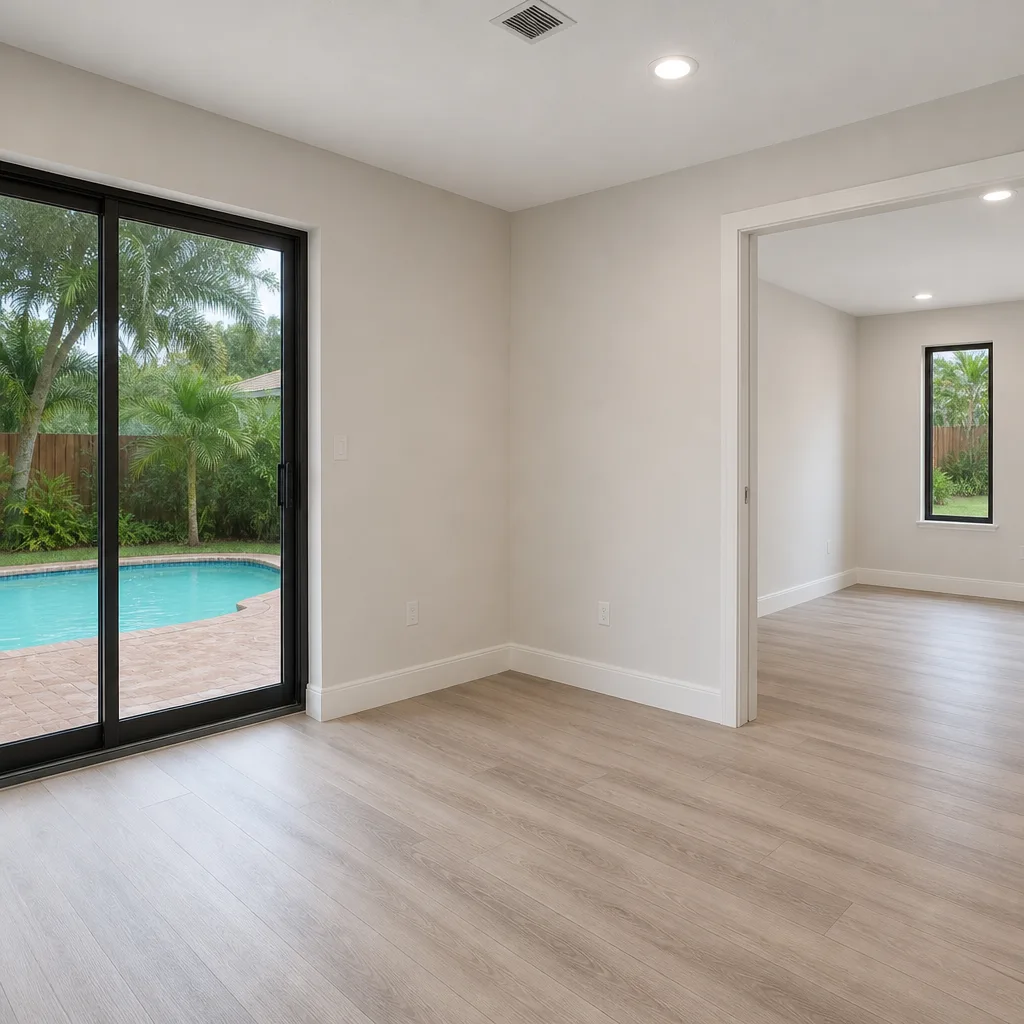 After
After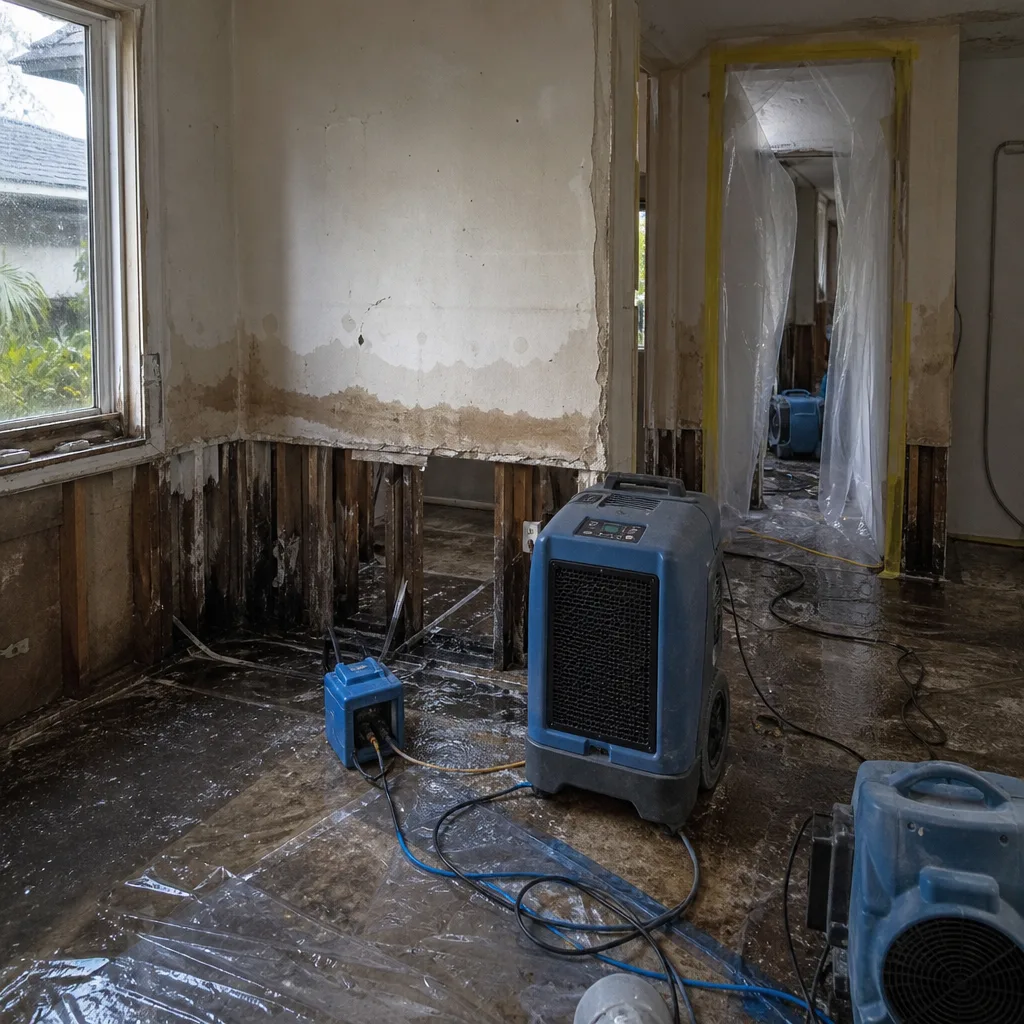 Before
 After
After