
 Water damage drying
 Fire & smoke cleanup
 Mold remediation
 Storm response
 Sewage cleanup
 Reconstruction
Free visual inspection and a written scope of work before any mitigation begins - photos, moisture readings, and drying logs go in your claim file
The scope we write is the scope we bill. Anything new gets shown to you, in writing, before we touch it.
Get your free estimateRestoration work we handle
See the difference
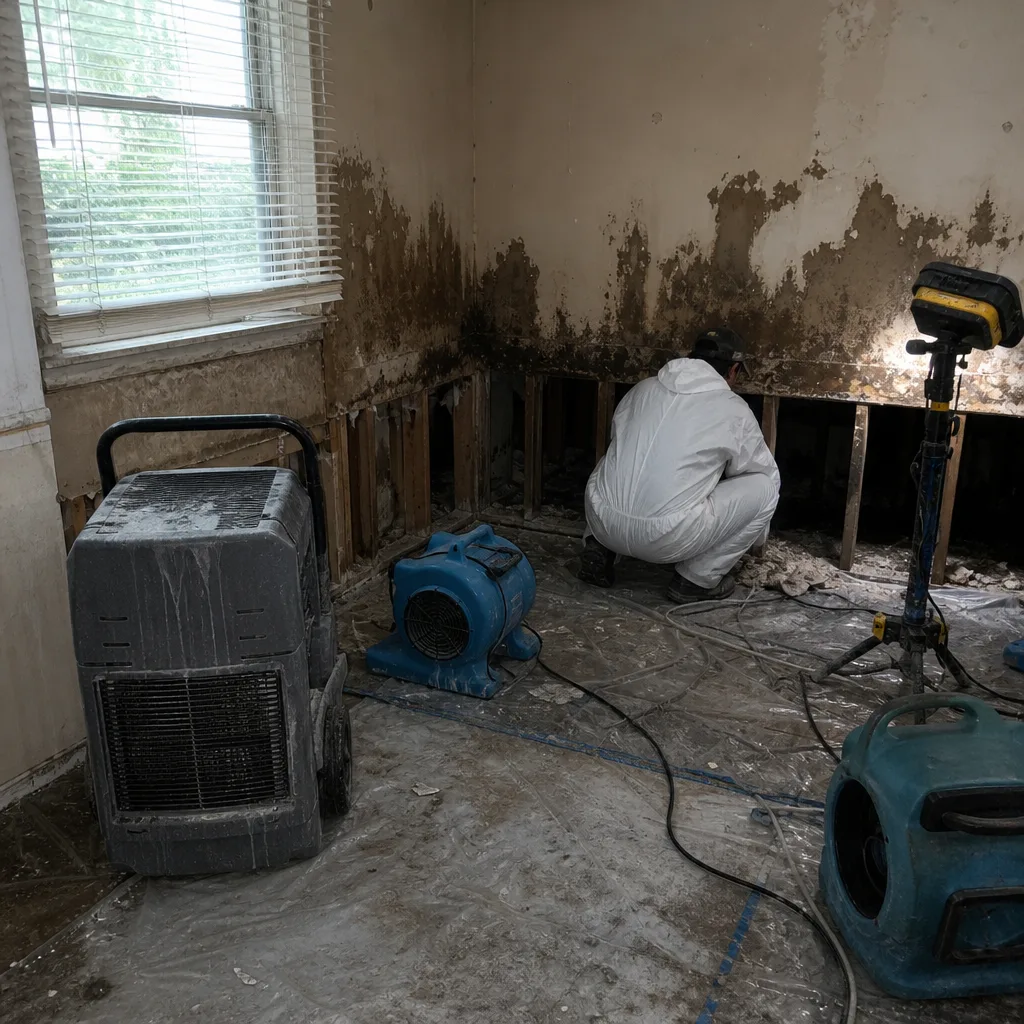 Before
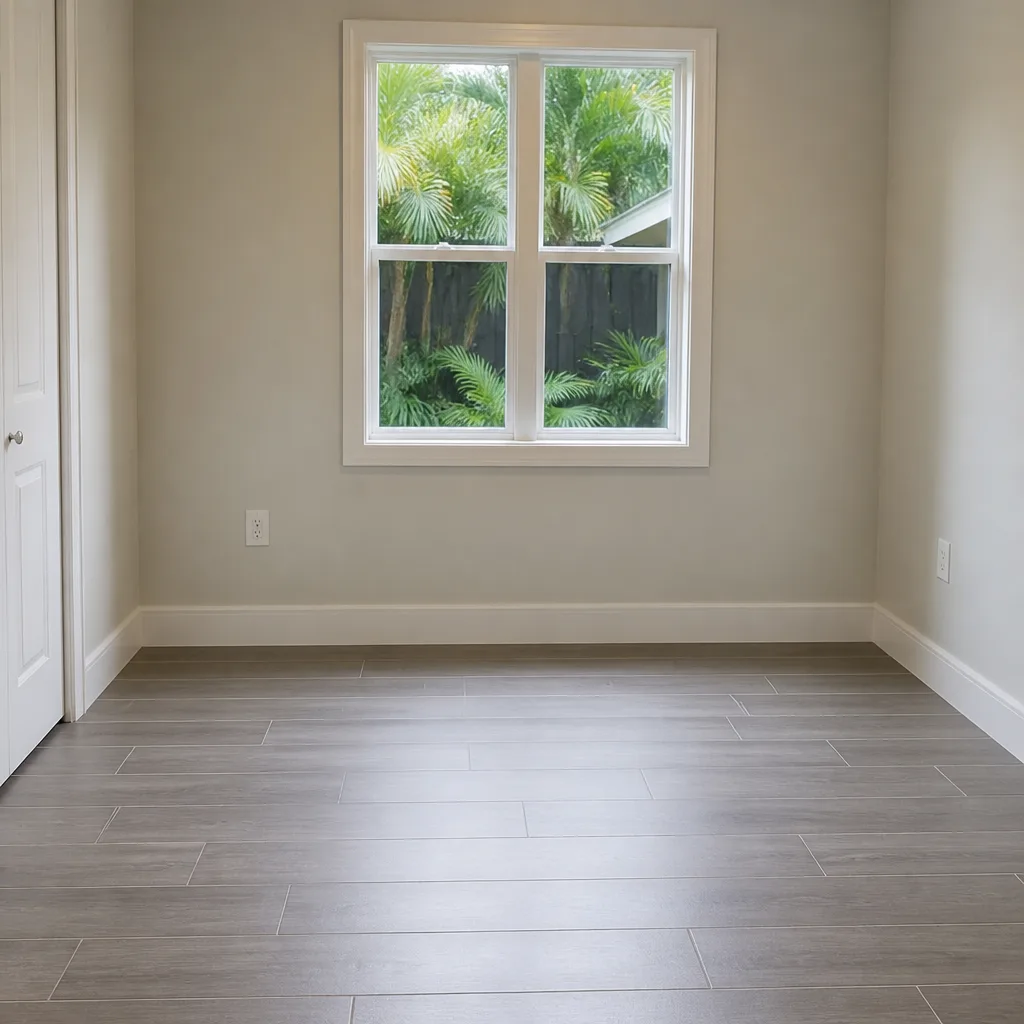 After
After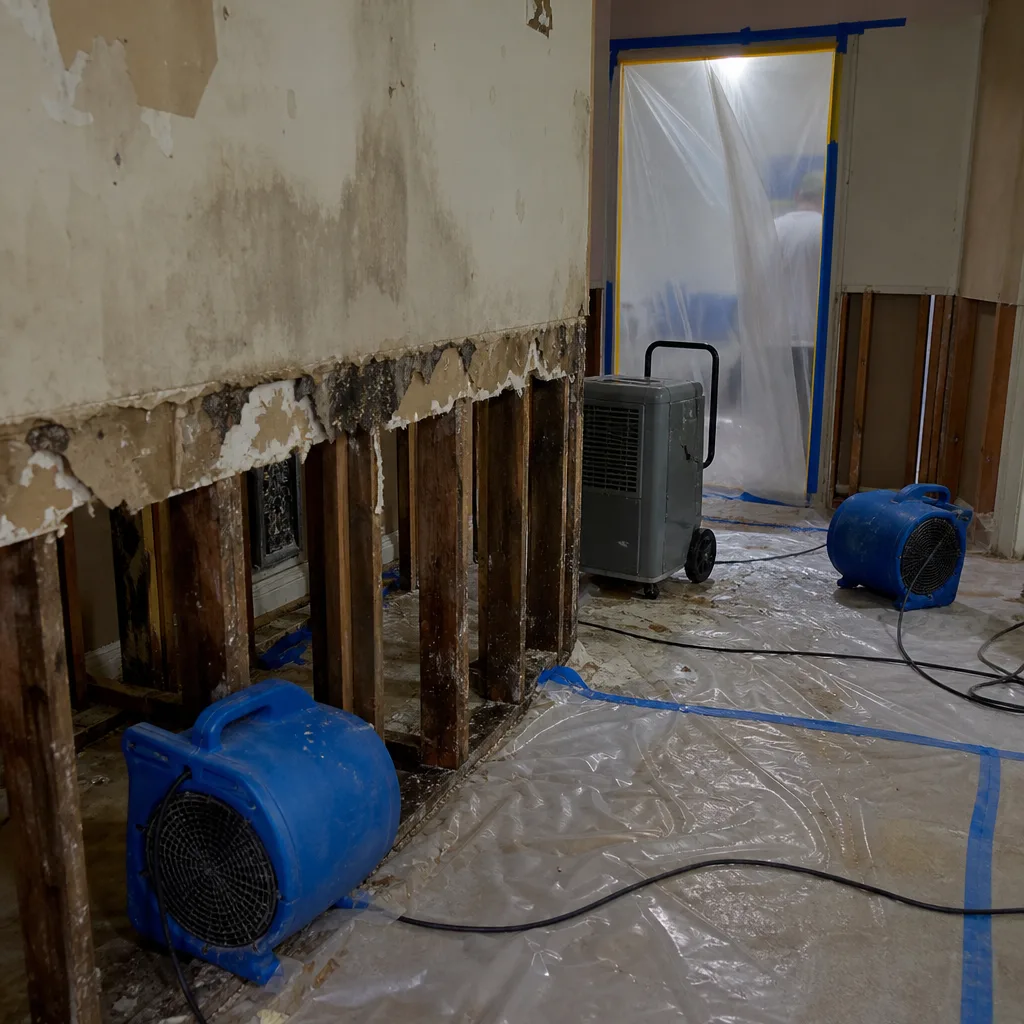 Before
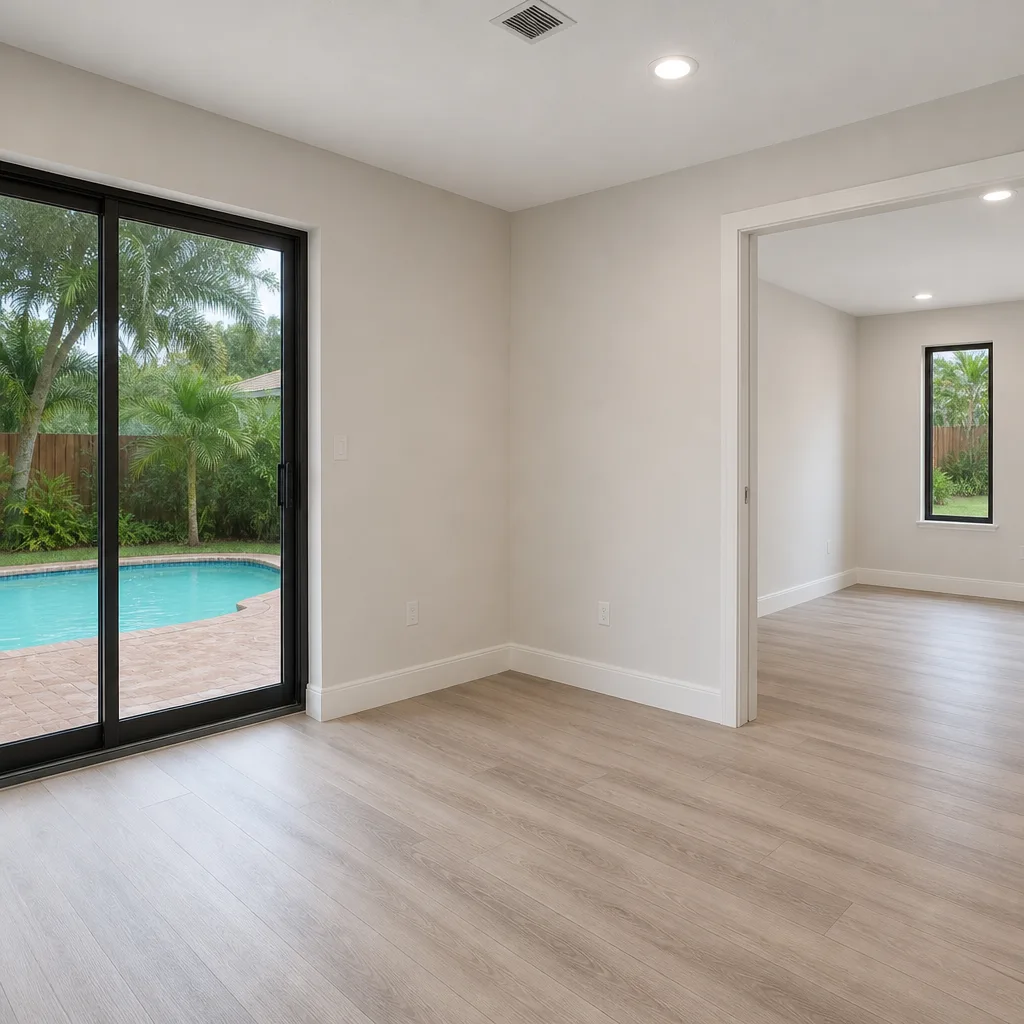 After
After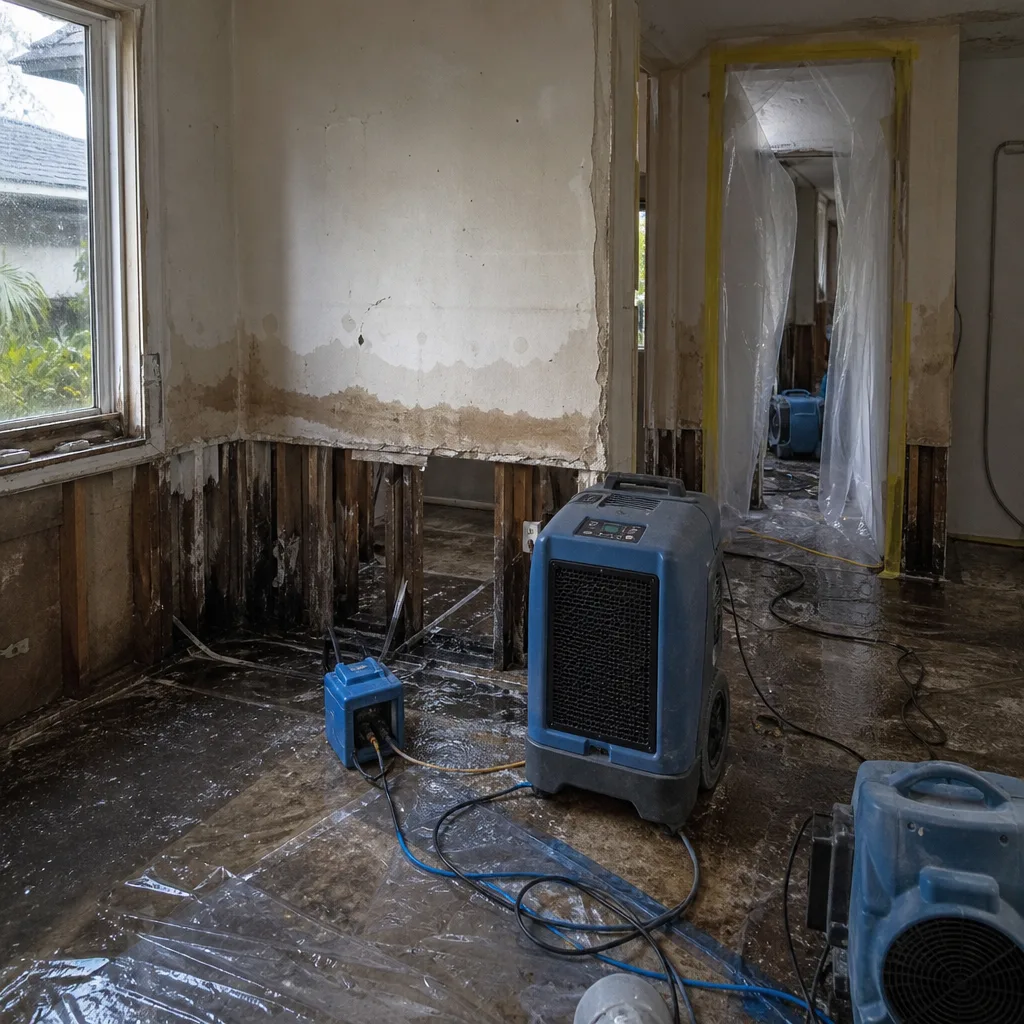 Before
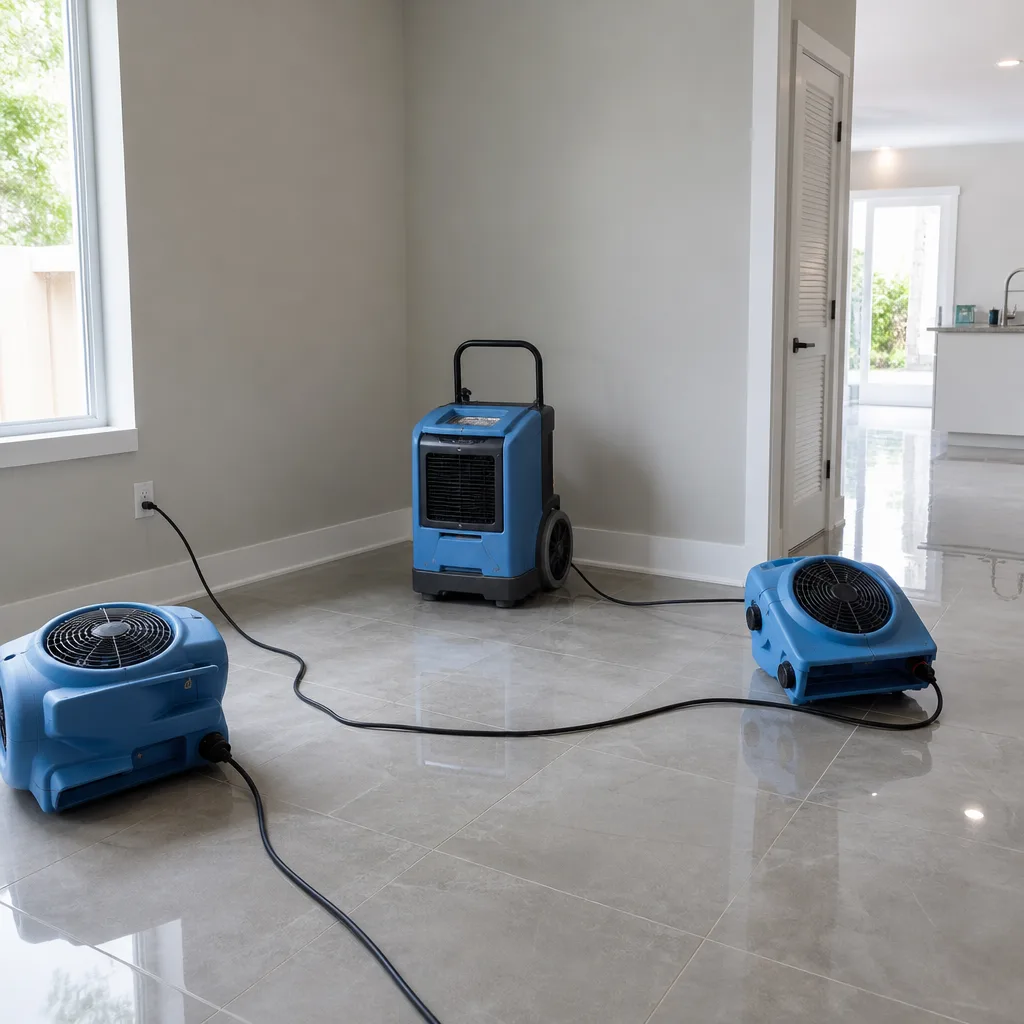 After
AfterStructural Drying & Dehumidification in Miami, FL
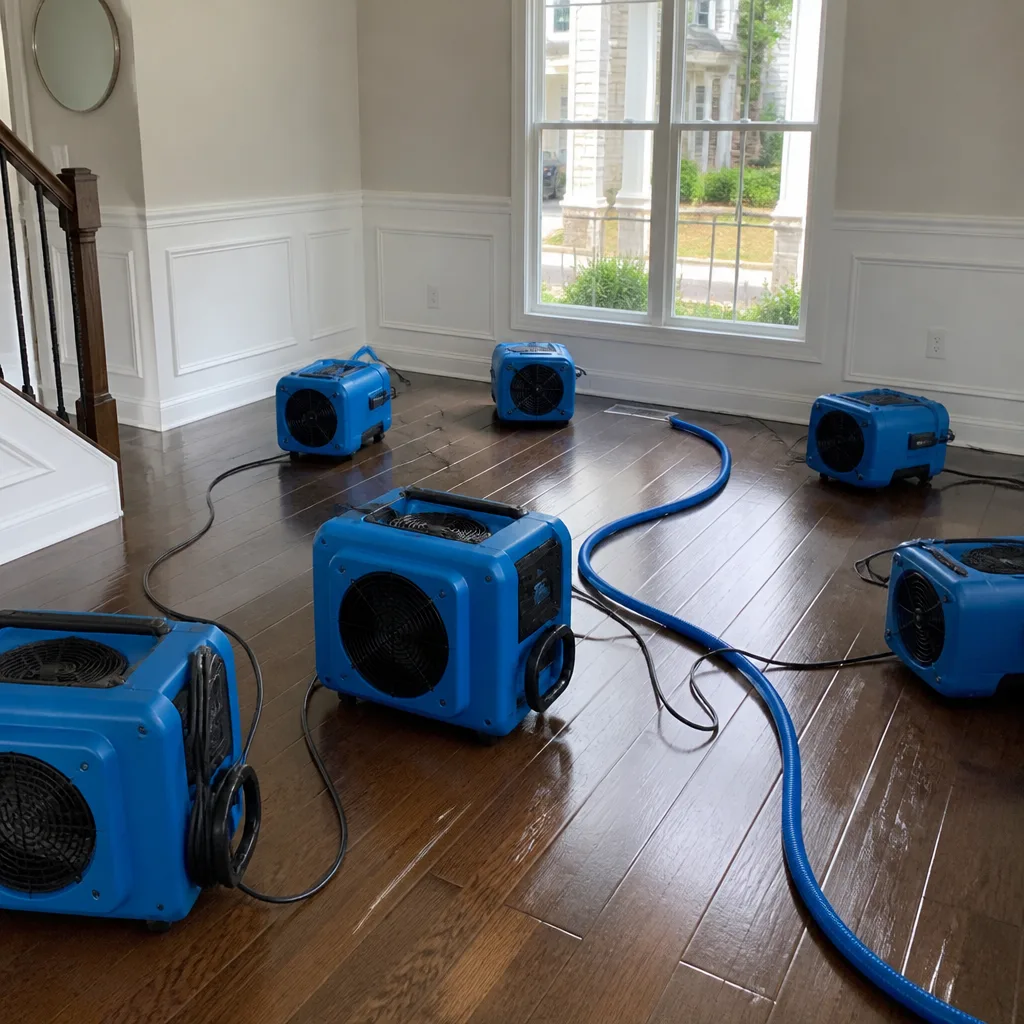
Structural drying and dehumidification is part of our Water Damage Restoration process: removing trapped moisture from building materials after a water event, and in Miami it typically costs between $1,200 and $4,500 depending on how many rooms are affected and how long the water sat. Without it, drywall, subflooring, and framing stay wet behind the surface, and that hidden moisture becomes mold, warped floors, and musty air that never quite goes away. At Marsh Water Damage Miami, we set commercial-grade drying equipment within hours of your call, because in this climate, wet building materials start deteriorating fast.
Call us at (689) 888-7601 any hour. A live person answers, not a voicemail. We’ll tell you what we think over the phone, then confirm it in person before any equipment gets set.
If you’re dealing with a larger loss, start with our Water Damage Restoration in Miami page to see the full scope of what we handle, from extraction to rebuild.
Key Takeaways
- Cost range in Miami: $1,200 to $4,500 for most residential jobs, with equipment running 3 to 5 days on average.
- Time matters: Water trapped in drywall and framing in Miami’s humidity can support mold growth within 48 to 72 hours.
- Every Marsh job includes a written price before work starts, a written guarantee, and the 365-Day Done Right Promise.
- You’ll know who’s coming: Every technician is background-checked, identity-verified, and sent to you by name and photo before the visit under the Threshold Verified standard.
When You Need Structural Drying & Dehumidification
Not every water problem needs full structural drying. A small spill you catch immediately and mop up might be fine with fans. But Miami’s humidity changes that math. Here’s when the drying equipment has to come out:
- Water sat for more than a few hours. If you came home to standing water or noticed a leak that had been going overnight, moisture has already wicked into the drywall and baseboards. Surface drying won’t touch it.
- Water came from a contaminated source. Dishwasher leaks, washing machine overflows, AC drain pan failures, toilet overflows, and especially sewage backups all push water into porous materials. Those materials need aggressive drying and often replacement first.
- You can see or feel swelling. Baseboards pulling away from the wall, drywall that feels soft or looks bowed, wood flooring cupping at the edges, or doors that suddenly stick in the frame in Coconut Grove or Kendall: those are all signs of structural moisture.
- The humidity in your home won’t come down. If your AC is running but the air inside still feels thick and damp, and especially if you see condensation on windows or walls in the morning, you likely have water trapped in building cavities.
- There’s a smell that won’t leave. That musty, earthy odor after a leak is microbial activity. It means moisture is still present somewhere you can’t see. In older homes in Coral Gables and Little Havana, we often find the smell is strongest behind the walls, not in the room that flooded.
- Your insurance adjuster or a contractor recommended drying. If you’ve already filed a claim and the adjuster used the phrase “structural drying” or “mitigation,” that’s your signal. This is the step that prevents a $3,000 water claim from becoming a $30,000 mold claim.
How Miami’s Climate Works Against You
A marsh is low, wet ground, water where it shouldn’t be. That’s what we deal with every day, and if you live in Miami, so do you. The average relative humidity here hovers around 75 percent year-round, and in the summer months it rarely drops below 80. That means air itself is carrying enough moisture to slow down natural drying significantly.
Here’s the problem in plain terms: when the air outside your home is already wet, it can’t absorb much more moisture. So if you open windows to “let things dry out,” you’re often adding moisture, not removing it, especially in neighborhoods close to the water like Brickell, Edgewater, or Miami Beach. The only reliable way to dry a structure in this climate is to seal the affected area, control the air exchange, and force warm, dry air across wet surfaces while pulling humid air out. That’s what proper dehumidification does.
We’ve dried out houses in Westchester where the indoor relative humidity was 85 percent three weeks after a pipe leak, because the homeowner thought the AC would handle it. AC systems dehumidify, but they’re not designed to pull water out of drywall and subfloor. They just can’t move enough air or remove enough moisture per hour to do the job.
Our Structural Drying & Dehumidification Process
Here’s exactly what happens when you call Marsh Water Damage Miami for structural drying. You’ll know each step before we take it, and the price is on paper before any equipment gets plugged in.
- Assessment and moisture mapping. We arrive quickly, often within 2 hours in most of Miami-Dade County. Using moisture meters and thermal imaging, we identify every wet area, including moisture hidden inside walls, under flooring, and in ceiling cavities. We document everything with photos so you have a record for insurance.
- Written price and scope. Before we touch anything, you get a written price for the drying job. Not an estimate that balloons later. This price covers the equipment, the monitoring visits, and the removal of the equipment when the job is done. You approve it first.
- Extraction of standing water. Any remaining liquid water comes out first with professional extraction equipment. Drying equipment works far more efficiently when there is no standing water underneath it.
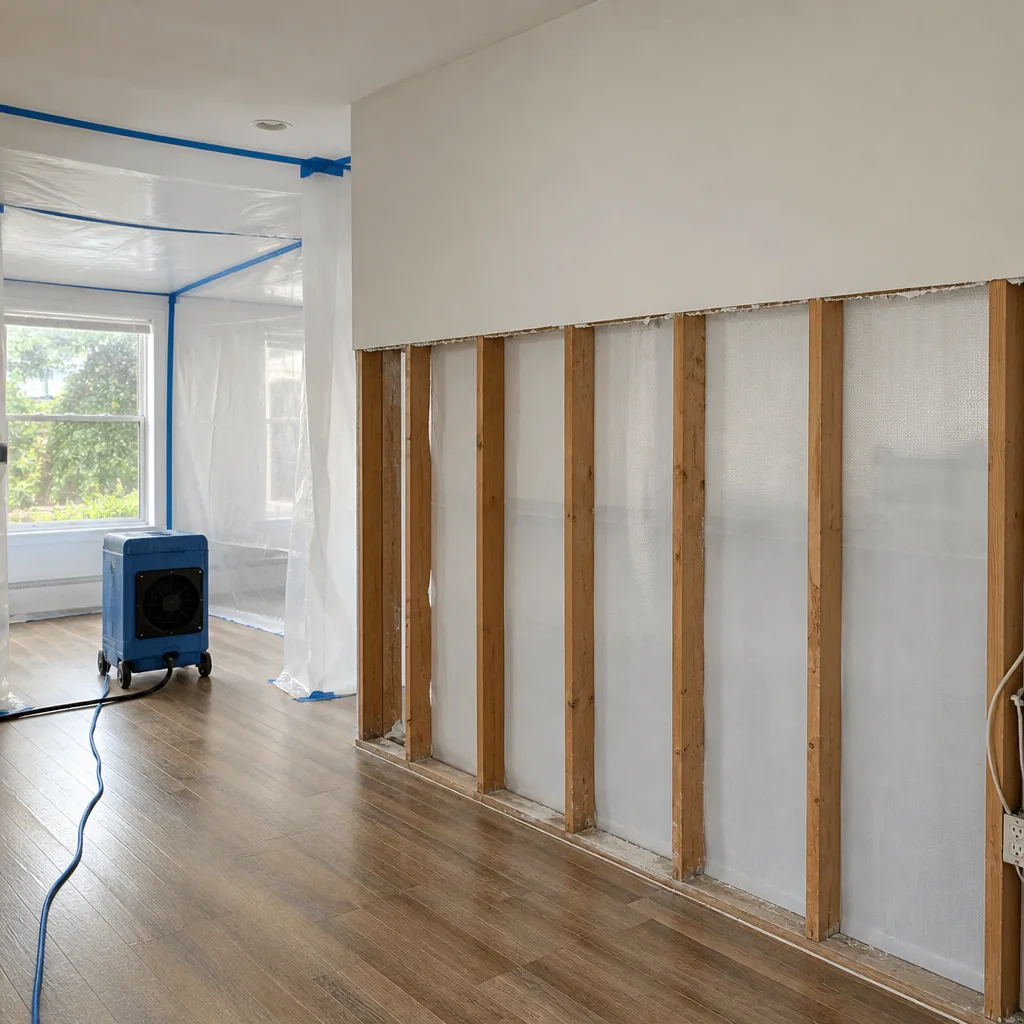
- Equipment placement and containment. We set commercial air movers and dehumidifiers from manufacturers like Dri-Eaz, Phoenix, and XPOWER, positioned to create cross-flow air movement across every wet surface. In most cases, the affected area gets sealed with plastic containment to keep the drying environment controlled. Psychrometric readings, which is just measuring the moisture in the air, tell us when the structure is genuinely dry, not just dry on the surface.
- Daily monitoring. Someone from our team returns daily to check moisture levels, adjust equipment placement as materials dry, and document progress. You don’t have to guess whether it’s working. We show you the numbers trending down.
- Confirmation and equipment removal. When moisture readings across every affected material return to normal range, we remove the equipment and give you the final documentation. Your home is dry, and it’s on record. If anything isn’t right within 365 days, we make it right. That’s the 365-Day Done Right Promise, printed on every work order.
Structural Drying & Dehumidification Pricing in Miami
Here’s what you’re walking into, in real numbers. See our full breakdown of How Much Does Water Damage Restoration Cost? (2026 Price Guide) - Miami, FL for details, but most residential structural drying jobs we do in Miami run between $1,200 and $4,500. The final number depends on three things: how many rooms are affected, how long the water sat before drying started, and whether building materials need to be removed to access the moisture.
For example, a contained water heater leak in a utility closet in Kendall with drywall removed and equipment run for 3 days might run around $1,500. A full AC overflow that soaked through three rooms of carpet, padding, drywall, and baseboards in a Pinecrest home might land closer to $4,000 or $4,500, especially if water traveled into a lower level and you need Basement Water Removal.
Every job we do includes daily monitoring visits at no extra cost, the written guarantee, and the free second visit if the repair fails within the first year. That means if moisture returns or something didn’t dry correctly, we come back and make it right without you having to argue for it.
For an exact quote, call (689) 888-7601. We’ll give you a written price before any equipment goes down. Estimates are free.
What Affects the Cost Most
- How many rooms and materials are wet. More affected area means more air movers and dehumidifiers, and more time for the job.
- How long the water sat. Water that’s been sitting for 48 hours or more means deeper penetration into subfloor, studs, and drywall, which means longer drying time and possibly more demolition.
- Whether materials have to come out. Saturated drywall, carpet padding, and sometimes baseboards need removal to dry the structure behind them. Removal adds labor and disposal, but it’s often cheaper than trying to dry what should simply be replaced.
- Access. Tight crawl spaces, water trapped under cabinets, or moisture behind tile can require specialty tools that add time to the job.
The Threshold Verified Standard
We know that water damage means opening your door to strangers during one of the most stressful days of your year. You’re already dealing with a mess. You shouldn’t also have to wonder who’s walking into your home.
The Threshold Verified standard is how we remove that second worry. Every Marsh Water Damage Miami technician is background-checked, identity-verified, and sent to you by name and photo before the visit. When they arrive, they show a photo ID badge at the door. Every time. Not just the first time.
Here’s what that standard looks like on every job:
- Identity verified in advance. You receive the technician’s name and photo before they arrive, so you know exactly who to expect at the door.
- Badge shown at entry. The technician presents a photo ID badge before stepping inside. If the badge doesn’t match the photo you were sent, they don’t come in. That’s the rule.
- Uniformed and professional. Our people look like they belong on a professional restoration crew, because they do. Clean uniform, company identification, clear communication.
- Background-checked. Every tech passes a background check before they’re allowed to represent Marsh in your home.
- Ongoing verification. The check isn’t a one-time event at hiring. We re-verify our people because our standard is a standing one.
If you’re home alone, a parent with young children, or an older homeowner, these steps matter. Tobias Reyner, the owner at Marsh Water Damage Miami, built the company’s local operations around one idea: you should never feel uneasy about the person at your door when you’re already dealing with water in your living room.
Can You Just Use Fans and Open the Windows?
In Miami, no. It’s the most common question we get, and the answer matters. Household fans and open windows don’t move enough air or remove enough moisture to dry inside walls, under flooring, or within ceiling cavities. What’s worse, open windows in this climate let humid air inside, which can slow drying and even spread moisture into areas that were dry.
What household fans do is dry the surface. Which often makes things look better for a day or two. Then the smell comes back, the paint starts bubbling, and the baseboards stay swollen. Meanwhile, the moisture inside the wall cavity has been doing its work. The real fix is professional dehumidification: seal the area, control the air exchange, run high-volume air movement, and extract moisture from the air continuously until the materials themselves are dry. Our technicians are credentialed through the IICRC, RIA, and IFA, which means they’re trained in the same standards used on large commercial losses, applied to your home.
FAQs – Structural Drying & Dehumidification
How much does structural drying cost in Miami?
Most residential structural drying jobs in Miami run between $1,200 and $4,500, with the average around $2,500 to $3,000 for a single-room water event involving drywall and flooring. The exact price depends on affected square footage, how long water sat, and whether building materials need removal. Call (689) 888-7601 for a free written estimate; you’ll know the price before any equipment gets set.
How long does structural drying take?
In Miami, most structural drying jobs take 3 to 5 days of equipment run time, with daily monitoring visits in between. Jobs with deeper saturation from water that sat for 48 hours or more can take 5 to 7 days. We don’t pull the equipment until moisture readings confirm every affected material is dry, not just the air.
Is it cheaper to dry out drywall or replace it?
It depends on how wet the drywall got and how long it’s been wet. Drywall that’s been soaked through, especially by contaminated water, is almost always cheaper to replace than to dry, because it loses structural integrity and becomes a mold risk. Drywall that’s moderately damp from clean water can often be dried in place. We’ll tell you which makes sense for your specific situation and include the cost in your written estimate.
Can you come today?
Yes. We answer calls 24 hours a day with a live person, and in most of Miami-Dade County, we can have a technician on site within 2 hours for water emergencies. The faster drying starts, the less damage you’ll have and the lower your final cost. Call (689) 888-7601 now and we’ll tell you when someone can be there.
Marsh Water Damage Miami Is Ready When You Are
Water damage in Miami doesn’t wait for business hours, and neither do we. If you need Water Damage Restoration Near Me in Miami, FL, we’re ready. If you’re looking at wet drywall, swollen baseboards, or a musty smell that started after a leak, call (689) 888-7601 right now. A live person answers. We’ll talk through what you’re seeing, give you a straight answer about whether you need structural drying, and schedule a visit with a technician whose name and photo you’ll have before they ring the bell.
Every job comes with a written price, a written guarantee, and the 365-Day Done Right Promise. If it’s not right within a year, we make it right. Free second visit included. No fine print, no arguing.
Written by Tobias Reyner, Owner at Marsh Water Damage Miami, serving Miami.