
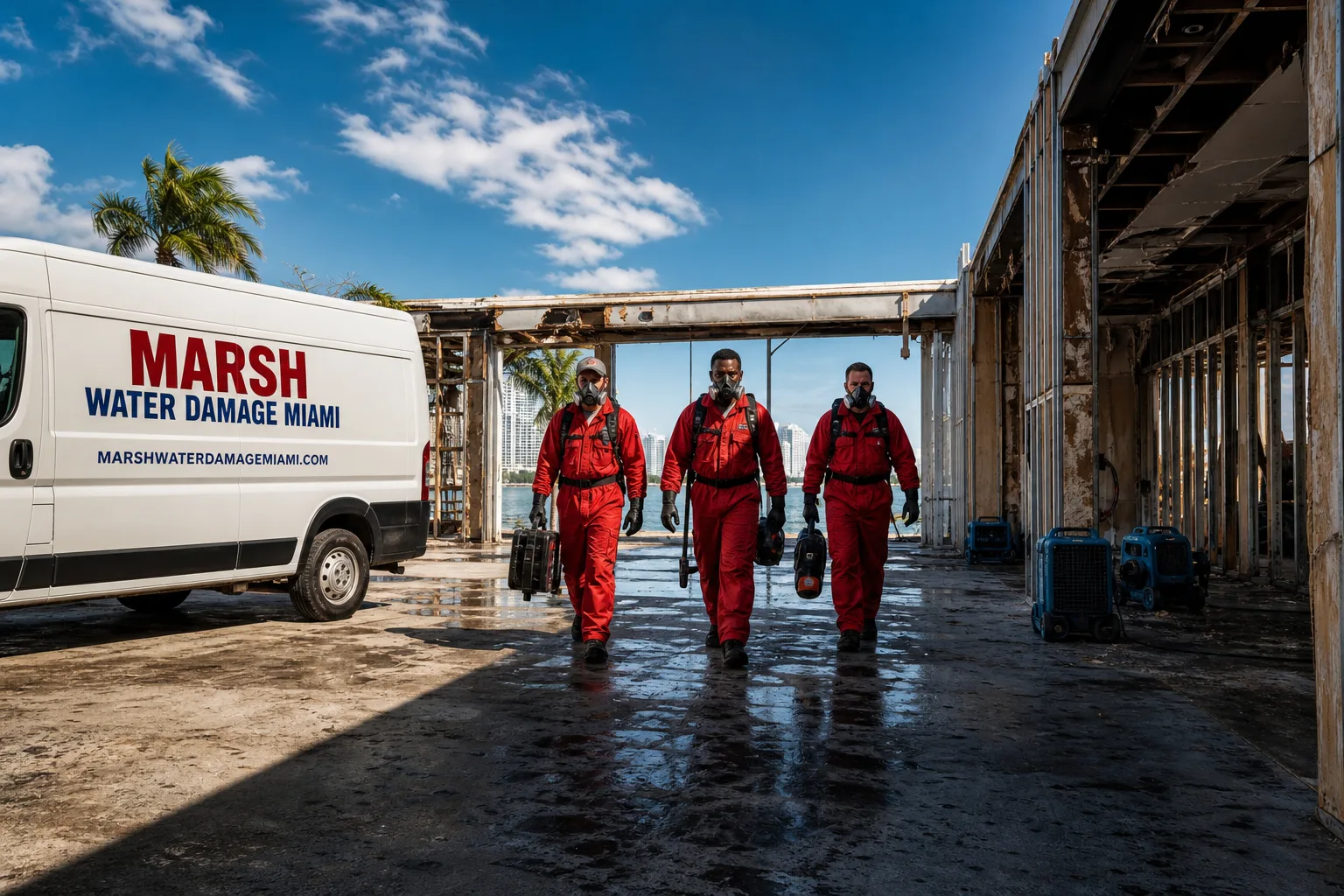
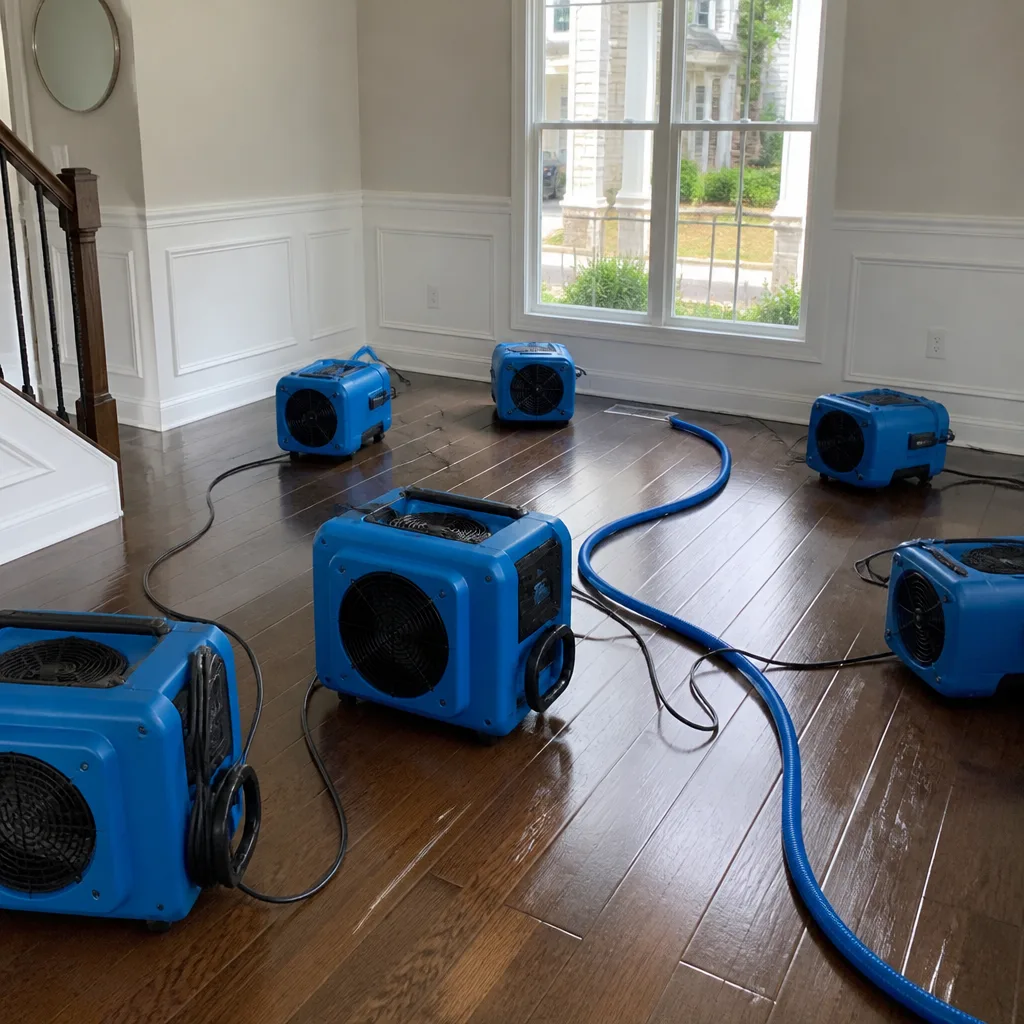
 Water damage drying
 Fire & smoke cleanup
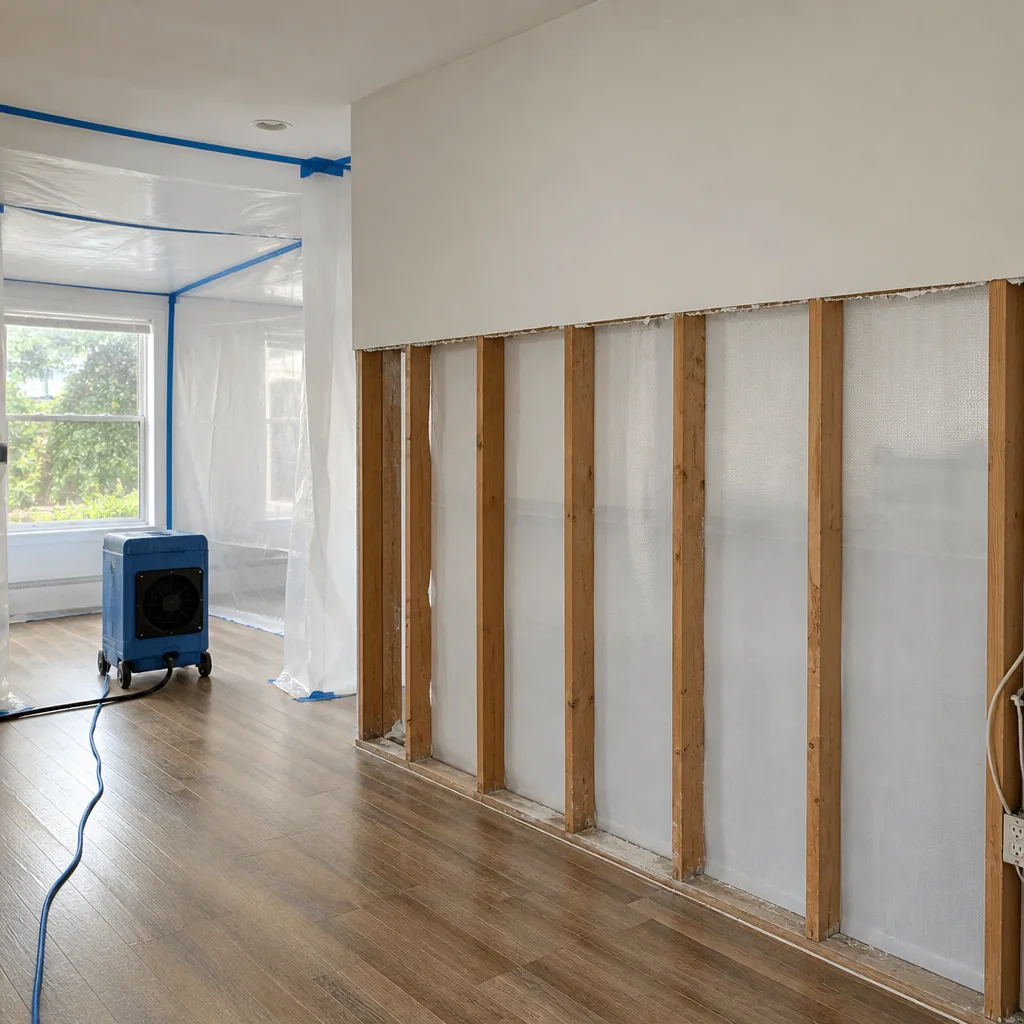 Mold remediation
 Storm response
 Sewage cleanup
 Reconstruction
Free visual inspection and a written scope of work before any mitigation begins - photos, moisture readings, and drying logs go in your claim file
The scope we write is the scope we bill. Anything new gets shown to you, in writing, before we touch it.
Get your free estimateRestoration work we handle
See the difference
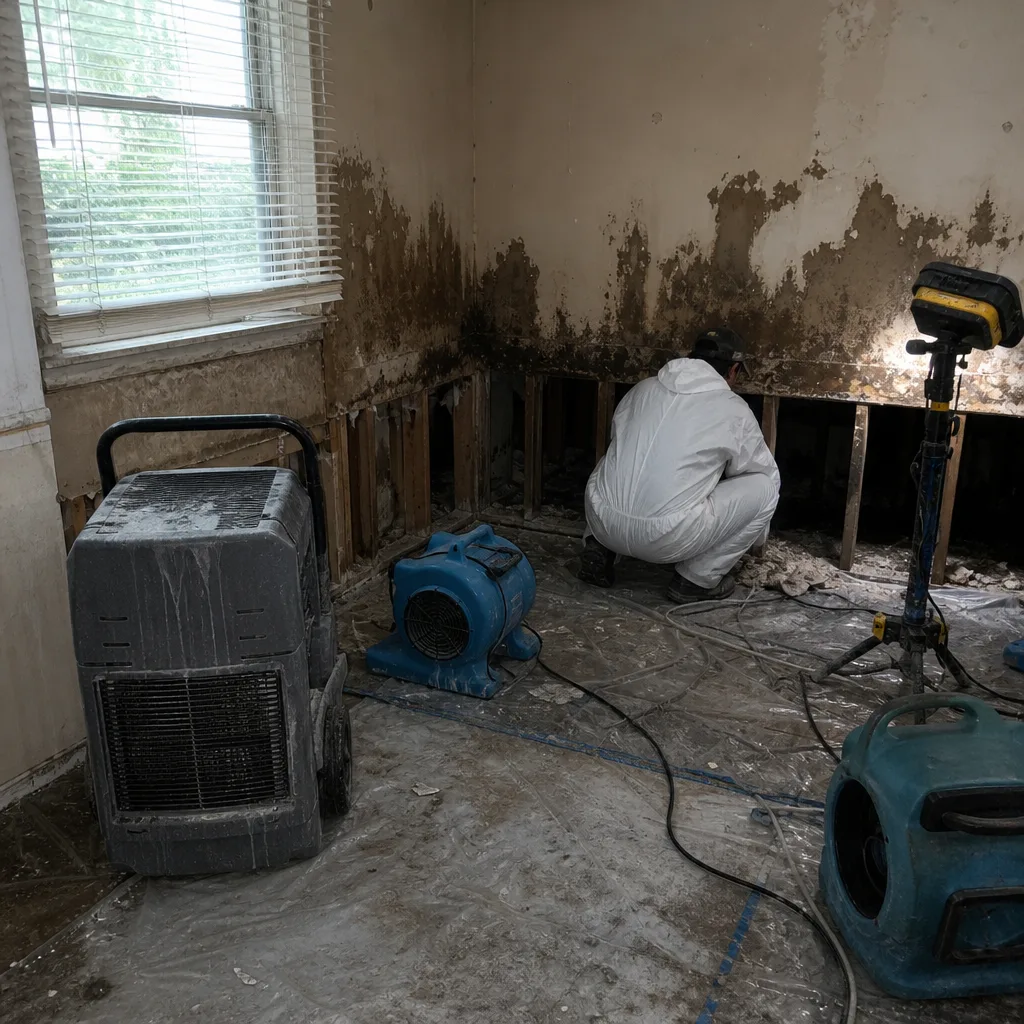 Before
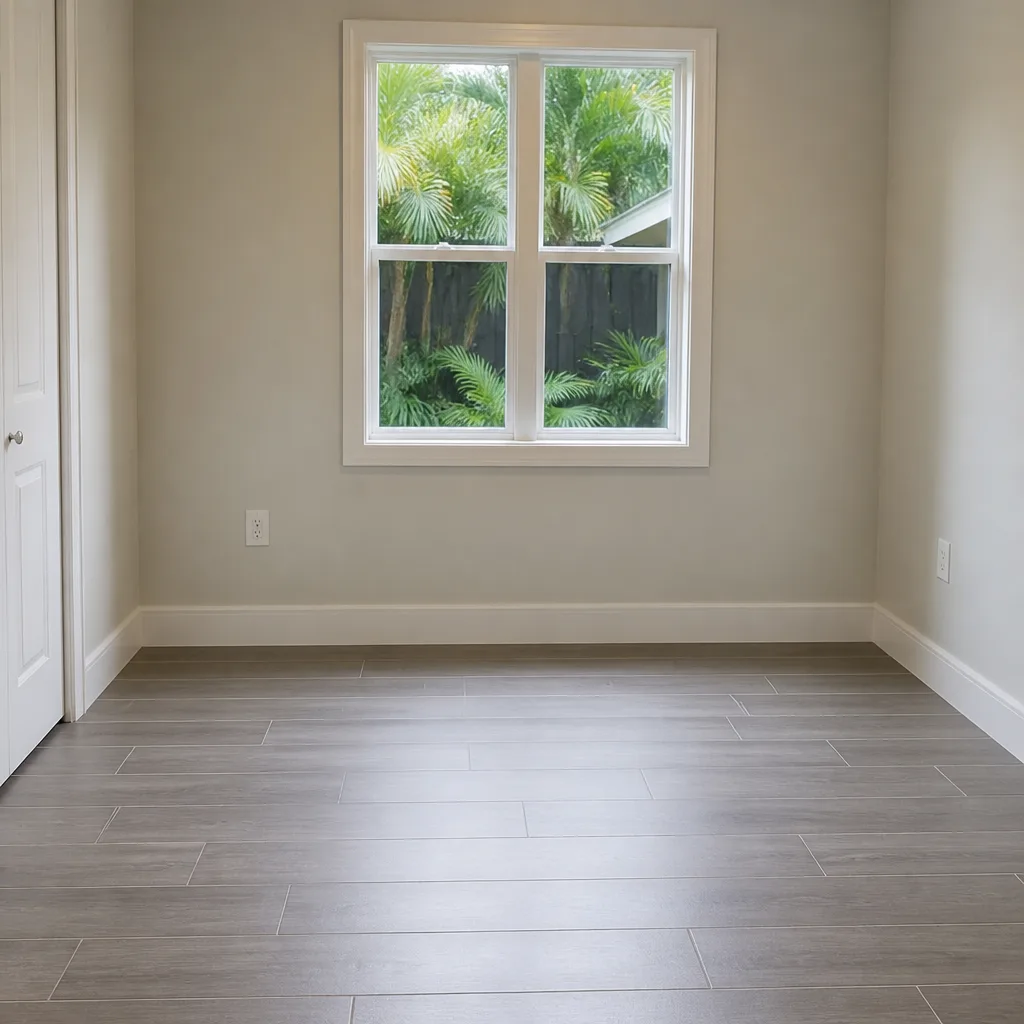 After
After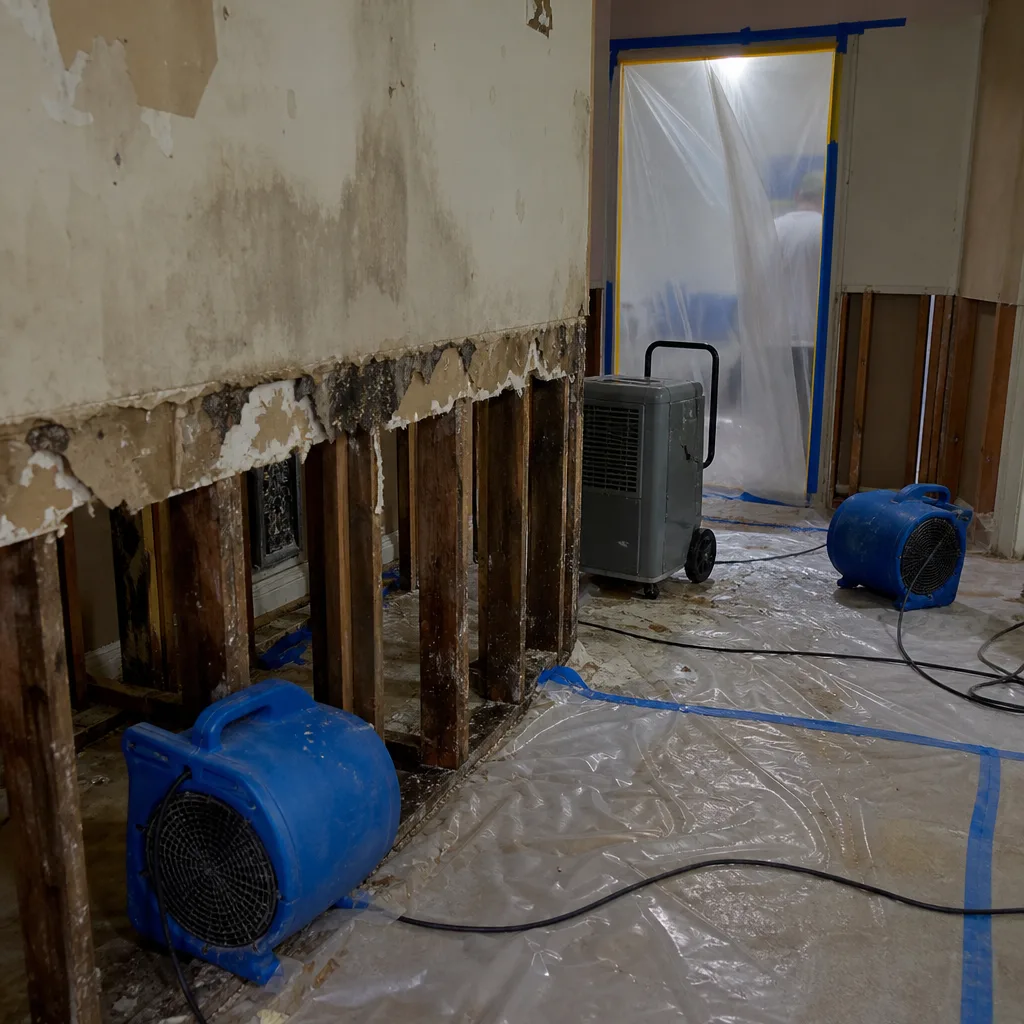 Before
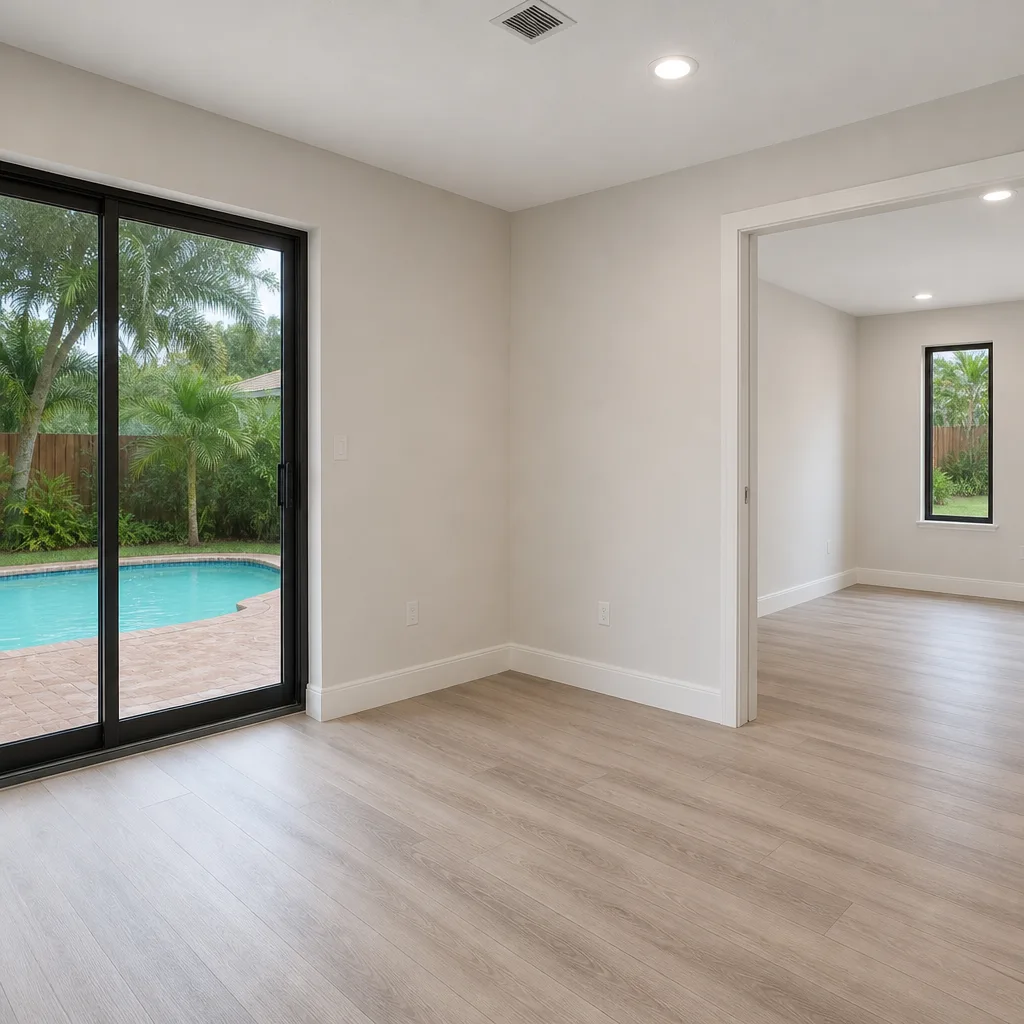 After
After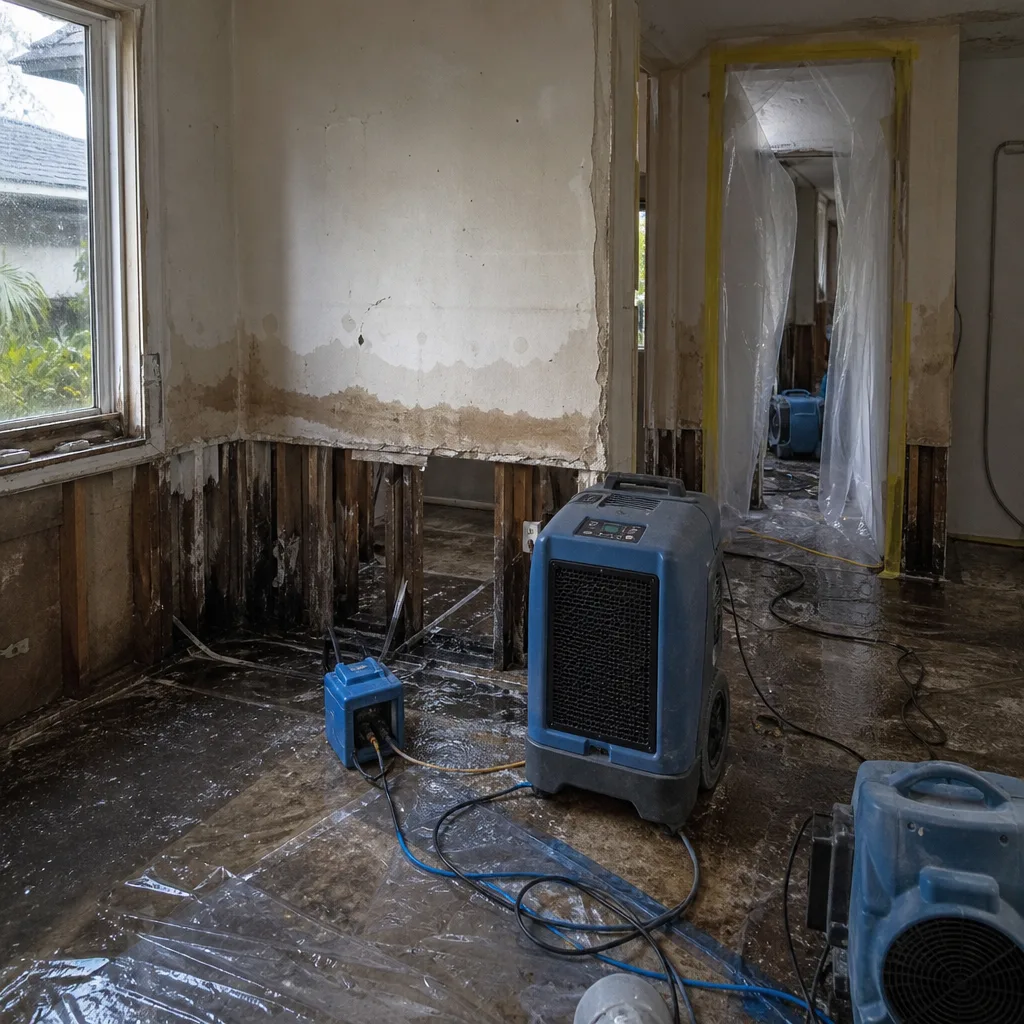 Before
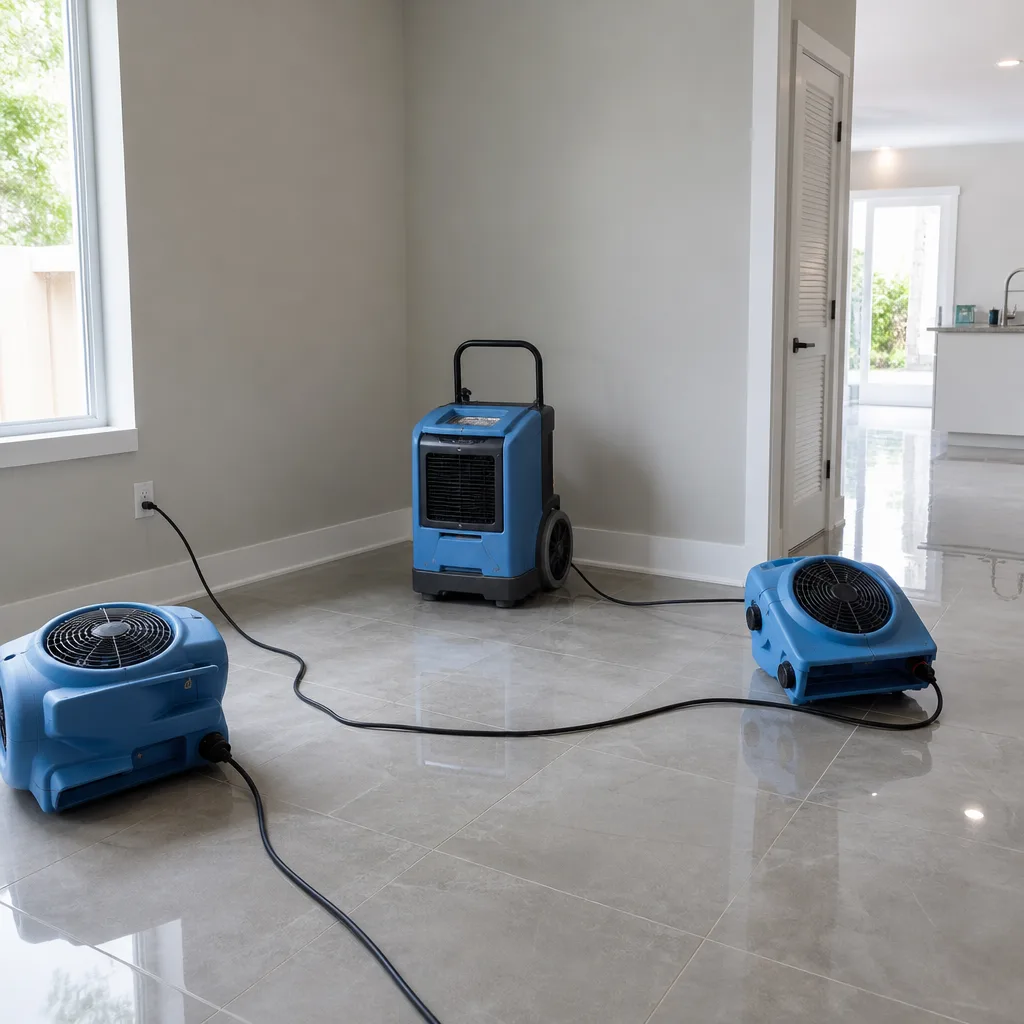 After
AfterHow Much Does Damage Restoration Cost in Miami?
Damage restoration in Miami typically costs between $1,200 and $8,500 for most residential water, mold, or storm damage jobs, with the average homeowners insurance claim landing around $3,800. Small, contained water leaks start closer to $800 to $1,500, while a full Category 3 (sewage or floodwater) remediation with structural drying and rebuild work can run $15,000 or more. These figures reflect what we see across Miami-Dade neighborhoods including Coral Gables, Kendall, Hialeah, Doral, and Coconut Grove, where humidity and storm exposure add real cost pressure throughout the year.
That’s the honest range. What changes the number is the source of the water, how long it sat, what it touched, and whether mold has already colonized. Below you’ll find a full line-by-line breakdown so you know exactly where the money goes before you sign anything.
Key Takeaways:
- Most Miami water damage jobs fall between $1,200 and $8,500, with mold remediation adding $2,000 to $6,000 when it’s present.
- Water extraction alone (before drying) usually runs $500 to $1,800 for a single room.
- Miami’s high humidity slows structural drying, which means equipment runs longer here than in drier climates and your equipment rental line item will reflect that.
- You should always get a written price before demo starts. If a company won’t put the number on paper, walk away.
- Call (689) 888-7601 for a free estimate. A live person answers, any hour, and we’ll price the job before any work begins.
Damage Restoration Cost Breakdown (2026)
Here’s what we quote in Miami right now, broken down by line item. These are the prices before any insurance deductible is applied, and they reflect 2026 South Florida labor and material rates.
| Service Line Item | Typical Miami Range | What It Includes |
|---|---|---|
| Emergency water extraction | $500 – $1,800 | Standing water removal from one to two rooms using truck-mounted or portable extraction units; does not include drying. |
| Structural drying (equipment + monitoring) | $700 – $2,500 per 3-4 days | Air movers, dehumidifiers, psychrometric readings (measuring moisture in the air and materials) to confirm the structure is actually dry. |
| Mold remediation (contained area) | $2,000 – $6,000 | Containment, HEPA air filtration, removal of affected drywall or flooring, antimicrobial treatment, clearance testing. |
| Drywall removal and replacement | $450 – $900 per affected room | Cutting out wet or moldy drywall, disposal, and installation of fresh drywall to match existing. |
| Flooring removal and replacement | $600 – $4,000 depending on material | Hardwood removal runs higher; carpet and pad replacement is on the lower end. Tile often survives if the subfloor is dried properly. |
| Dehumidification only (no extraction) | $500 – $1,700 | For high-humidity issues without standing water, often after a pipe leak inside a wall or ceiling. |
| Storm damage cleanup (Category 3 water) | $3,500 – $12,000+ | Floodwater from storms carries sewage and contaminants; requires full PPE, antimicrobial treatment, and often heavy debris removal. |
What drives the cost up or down: The single biggest variable is time. Water that’s been sitting for under 24 hours in a temperature-controlled Coconut Grove condo costs far less to remediate than the same leak left for a week in a humid Hialeah single-family. After 48 hours, mold spores activate and you’re no longer paying for drying alone, you’re paying for microbial remediation (a technical term meaning we’re removing or killing the mold that has already started growing, not just preventing it).
The second big variable is what got wet. Drywall soaks water like a sponge and wicks it upward, so water in a wall cavity that touches the baseboard will travel 12 to 18 inches up within 48 hours. Insulation behind the drywall holds moisture even longer. In contrast, concrete block construction, which is common throughout Miami and South Florida, handles water better than wood framing. A concrete wall with water at the base often only needs drying at the baseboard and sill plate, not full wall replacement. That’s why the same flood scenario can cost twice as much in a 1950s wood-frame home as in a 1980s concrete-block home.
A third factor is category of water. The restoration industry divides water into three categories:
- Category 1 (clean water): A supply line leak, a water heater drip, condensation from an AC unit. Cheapest to fix.
- Category 2 (gray water): Dishwasher overflow, washing machine drain water, sump pump backup. Requires antimicrobial treatment.
- Category 3 (black water): Sewage, canal water, storm surge, toilet backflow with solids. Highest cost because everything porous must be removed and discarded, and the area requires full sanitization before rebuilding.
Miami sees more Category 3 than most places in the country because of tidal flooding and hurricane storm surge. When Biscayne Bay spills into a street in the Upper East Side or a canal overflows in Westchester, that water has been mixing with everything in it. The treatment protocol is completely different, and it should cost more. If a company quotes you the same price for Category 3 stormwater as for a clean pipe leak, they’re not doing the job correctly.
What Affects Damage Restoration Pricing in Miami
Beyond the water category and time elapsed, five local factors push Miami restoration costs in one direction or another.
- Humidity. Miami’s average relative humidity sits above 70% for most of the year. That means the air itself is already carrying water, so dehumidifiers have to work harder and run longer than in Phoenix or Denver. Your equipment line item will be 15 to 30% higher here for the same size loss because dry air is what pulls moisture from soaked drywall and subfloor, and Miami doesn’t have any.
- Construction type. Older neighborhoods like Shenandoah, the Roads, and Little Havana are full of wood-frame and plaster-and-lath homes from the 1920s through 1950s. Plaster and lath hold water differently than modern drywall, and the original framing in those homes absorbs moisture faster. Newer concrete-block construction in Doral or West Kendall is more forgiving, but those homes often sit on flat lots with poor drainage that channel water toward the structure during heavy rain.
- Insurance deductibles. Most Miami homeowners carry a hurricane deductible (often 2% to 5% of the home’s insured value) and a separate water damage deductible. A $400,000 home with a 2% hurricane deductible means you’re paying $8,000 out of pocket before insurance steps in. That changes the math on when to file a claim versus pay out of pocket, which affects what you’re willing to spend on restoration. We’ll walk you through that math on the phone. No charge.
- Age of plumbing and HVAC. A large share of Miami water damage calls come from AC condensate lines and aging galvanized or polybutylene pipe. Homes built before 1995 often still have original supply lines, and those materials are at the end of their life. The restoration cost is tied to how long the leak ran before you noticed it. Water behind a wall in a guest bathroom that nobody uses for two weeks is a bigger job than a visible puddle under the kitchen sink.
- Multi-story buildings and condos. High-rise and mid-rise condo water losses in Brickell, Edgewater, and Downtown Miami carry additional costs because water travels down through floor assemblies, affecting multiple units. Restoration in a condo requires coordination with the building’s insurance, the neighbor below, and the HOA. Equipment has to be staged in elevators and hallways, and access is more constrained than a single-family driveway in Kendall.
How to Save on Damage Restoration
You can’t control when a pipe bursts or when a storm blows a window in. But you can control what happens in the first few hours after you find the water, and those hours have the biggest impact on your final bill.
- Shut off the water source immediately. Locate your main shutoff valve before you need it. If you can’t find it, call us and we’ll walk you through it while you’re on the phone. A live person answers 24/7 at (689) 888-7601.
- Move valuables and furniture out of the water path. Water migrating into the legs of a sofa or the base of a cabinet turns a drying job into a replacement job.
- Call before you start moving wet drywall yourself. Cutting into a wall without understanding what’s behind it can sever electrical wiring or create a bigger opening than what was actually wet. If you want to pull baseboards or do minor cleanup, that’s fine, but leave the wall and floor surgery to someone who does this every week.
- Don’t run your HVAC as a substitute for drying. A central AC system may pull a little moisture from the air, but it cannot dry wet drywall or subfloor. Running it can actually spread mold spores through the ductwork and turn a one-room problem into a whole-house problem.
- Get the estimate in writing before any demo starts. We refuse to start work without a written price because we believe you deserve to know the number before the drywall comes out. That’s a Standing commitment at Marsh, not a promotional offer. If a company says they “can’t know until they open the wall,” tell them to open it on their own dime and then quote you.
One last note on saving money: free estimates are real. Call (689) 888-7601 and we’ll send someone to assess the damage, give you a written price, and explain the restoration plan. You’re not committed to anything by calling.
Step-by-Step: What Happens During a Damage Restoration Job in Miami
Here’s the process we follow on every Marsh Water Damage Miami job. It follows the industry-standard protocol for water damage restoration, and we’re going to explain each step so you know exactly what you’re paying for.
- Emergency response and assessment (within 1-2 hours in most of Miami-Dade). We answer the phone with a live person, take down your address and the details of what happened, and dispatch a technician. Before that technician arrives, you receive their name and photo by text so you know exactly who is knocking on your door, a Threshold Verified standard that’s non-negotiable on every job.
- Water source identification and shutoff. The technician finds where the water is coming from and stops it. If it’s a plumbing failure, we document it for your insurance claim and recommend a licensed plumber if the repair goes beyond a simple valve or supply line shutoff.
- Water extraction. We remove standing water using commercial extraction equipment from Dri-Eaz, Phoenix, XPOWER, and B-Air. Carpet gets lifted and extracted from both sides where possible, and hard surfaces get squeegeed and vacuumed.
- Moisture mapping and documentation. The technician uses moisture meters and thermal imaging to map how far the water traveled inside walls, under flooring, and into cabinets. This map becomes the blueprint for where drying equipment is placed and what gets removed.
- Structural drying. Air movers and dehumidifiers are set and monitored daily. We take psychrometric readings to track the drying process until the materials return to their normal moisture content. In Miami’s humidity, this stage typically runs 3 to 5 days for a moderate loss, longer for more severe ones.
- Antimicrobial application and mold prevention. After the materials are dry, we treat affected surfaces with an EPA-registered antimicrobial to prevent mold growth. If mold is already present, this step expands into a full remediation protocol with containment and HEPA filtration.
- Repairs and reconstruction. Drywall comes out, new drywall goes in, flooring is replaced, paint is matched. This is the rebuild phase, and it’s priced separately from the emergency work. You get a written price for this before we start it.
- Final inspection and written guarantee. Before we leave, the technician walks you through everything that was done, shows you the moisture readings, and gives you a written work order that includes the 365-Day Done Right Promise. If anything is not right within a year, we make it right. A free second visit is included automatically, not something you have to argue for.
FAQs – Damage Restoration Cost
How much does water damage restoration cost in Miami?
Water damage restoration in Miami averages between $1,500 and $5,000 for a typical Category 1 or Category 2 loss affecting one to two rooms. A small contained leak under a sink with no drywall damage may run under $1,000, while a large Category 3 flood from storm surge or sewage starts around $4,000 and can exceed $15,000. The final number depends on how long the water sat and how much of the structure absorbed it. Call (689) 888-7601 for a free written estimate and we’ll give you an exact price.
Is it cheaper to repair or replace water-damaged drywall?
Repair is cheaper only if the damage is limited to a small, easily isolated area, and the drywall is still structurally sound after drying. In most Miami cases, wet drywall that has been saturated for more than 48 hours needs to be cut out and replaced, which runs $450 to $900 per affected room for the full remove-and-install. Trying to patch and repaint over dried but degraded drywall often leads to mold growth inside the wall cavity within months, which costs more than replacing it the first time.
How much does mold remediation cost in Miami?
Mold remediation in Miami typically runs $2,000 to $6,000 for a contained area like a bathroom, closet, or section of a garage. If mold has spread through multiple rooms, is present in the HVAC system, or requires full containment of a large area, the cost can reach $10,000 or more. Miami’s humidity means mold problems that get ignored expand quickly; a 2-square-foot patch can double in size within a month. Call (689) 888-7601 and we’ll assess the scope and give you a written price.
How long does water damage restoration take in Miami?
Structural drying in Miami takes 3 to 5 days for most moderate losses, longer for multi-room floods or water that sat for more than a day before extraction. Rebuild work (drywall, painting, flooring) adds another 3 to 10 days depending on materials and scheduling. In total, most Miami homeowners are back to normal within one to two weeks for a typical water damage job. We’ll give you a timeline in writing when we give you the price.
Will insurance cover the cost of damage restoration?
Most Miami homeowners policies cover sudden and accidental water damage, like a burst pipe or a water heater failure, minus your deductible. Slab leaks are covered under most policies too, though repair of the pipe itself may require a separate plumbing policy or rider. What’s usually not covered is gradual water intrusion, meaning water that leaked slowly over weeks or months, and flood damage from rising water, which requires a separate flood insurance policy through FEMA or a private insurer. We document everything with photos and moisture readings to support your claim, and we’ll walk you through the filing process. Call (689) 888-7601 and we’ll help you figure out what your policy covers before you commit to anything.
Can you come today for water damage in Miami?
Yes. We answer every call with a live person 24 hours a day, 7 days a week, including holidays. For active water damage, we dispatch same-day in most of Miami-Dade, and the technician who arrives will have already sent you their name and photo so you know who you’re opening the door for. Call (689) 888-7601 right now and we’ll get someone moving.
Why Marsh Water Damage Miami Prices the Way We Do
We’re not the cheapest option in Miami, and we’re not trying to be. We’re the option that gives you a written price before any work starts, sends a background-checked, identity-verified, photo-badged technician whose name you know in advance, and backs every job with a 365-Day Done Right Promise printed on the work order.
That last part matters in South Florida. Miami has one of the highest fraud rates in the restoration industry in the country. Unlicensed, uninsured “restoration teams” show up after storm events, knock on doors, and demand cash deposits before doing anything. Homeowners who are home alone, older homeowners, and parents with young kids are the most common targets. That’s why the Threshold Verified standard exists. Every Marsh technician is background-checked, identity-verified, and sent to you by name and photo before the visit. When they arrive, they show a photo ID badge. Every time. No exceptions.
The equipment we run is the same gear you’ll find on large commercial losses: Dri-Eaz and Phoenix dehumidifiers, XPOWER and B-Air air movers, Injectidry systems for hard-to-dry floor and wall cavities. Our technicians hold credentials through IICRC, RIA, and IFA, the restoration industry’s recognized training and certification bodies. We’re the restoration brand of the Threshold Group family, in business since 2005, with each location independently owned and operated under the Threshold Verified standard.
A marsh is low, wet ground, water where it shouldn’t be. That’s what we deal with every day. It’s what the name means.
Get a Free Damage Restoration Estimate in Miami
If you have water where it shouldn’t be, or you suspect mold in a wall or ceiling, or a storm just blew water in through a window, call us. A live person answers at (689) 888-7601, any hour, any day. We’ll ask what happened, give you the next steps to keep the damage from getting worse, and dispatch a technician with a written estimate. The estimate is free. The price you get in writing is the price you pay before any work begins, not a rough guess that balloons after demo starts.
You’ll know the name and face of the person coming to your door before they arrive. You’ll get a written guarantee on every repair, with a free second visit if anything isn’t right within 365 days. And you’ll never be asked for a cash deposit before work starts.
Call (689) 888-7601 now for your free estimate.
Pricing reflects the Miami market as of 2026. Marsh Water Damage Miami offers free estimates – call (689) 888-7601.
What Our Customers Say
"Mold test came back clean after their drying. Peace of mind for us."
- Lydia F."Basement seepage after a storm. They pumped it out, treated for mold spores, and installed a dehumidifier for the week. Smell is gone."
- Walter D."Pipe broke under the sink and soaked the cabinet and floor. They extracted the water, removed the wet flooring, and documented everything for the insurance."
- Judith L.