
 Water damage drying
 Fire & smoke cleanup
 Mold remediation
 Storm response
 Sewage cleanup
 Reconstruction
Free visual inspection and a written scope of work before any mitigation begins - photos, moisture readings, and drying logs go in your claim file
The scope we write is the scope we bill. Anything new gets shown to you, in writing, before we touch it.
Get your free estimateFast, Reliable Storm Damage Restoration Across Pinewood
Storm damage in Pinewood moves fast, and the clock starts the moment water gets behind a stucco wall or through a flat roof. Most storm restoration work in this part of Miami-Dade runs between $2,400 and $7,800 depending on how far the water traveled and how long it sat. We answer live at (689) 888-7601 around the clock, because the afternoon thunderstorms that hit Pinewood from May through October don’t wait for business hours. Our crews know the housing stock here: 1950s-to-1970s concrete-block homes, flat and low-slope roofs, and west-facing walls that take the brunt of every summer downpour. When water gets in, we get it out, dry the structure, and document everything for your insurance claim.
Why Marsh Water Damage Miami Is Pinewood’s Preferred Storm Damage Restoration Company
Pinewood homeowners call us because we show up with a plan, a written price, and a face they’ve already seen. Before any technician knocks on your door, you receive their name and photo through our Threshold Verified protocol. They arrive uniformed, background-checked, and carrying a photo ID badge. That matters when you’re letting a crew into your home after a storm has already turned your week upside down.
Our Storm Damage Restoration team carries IICRC, RIA, and IFA credentials, and every job includes a written price before work starts and a written guarantee on the repair. The 365-Day Done Right Promise covers the work for a full year. If something isn’t right, we come back and fix it, free. That’s printed on every work order, not buried in fine print.
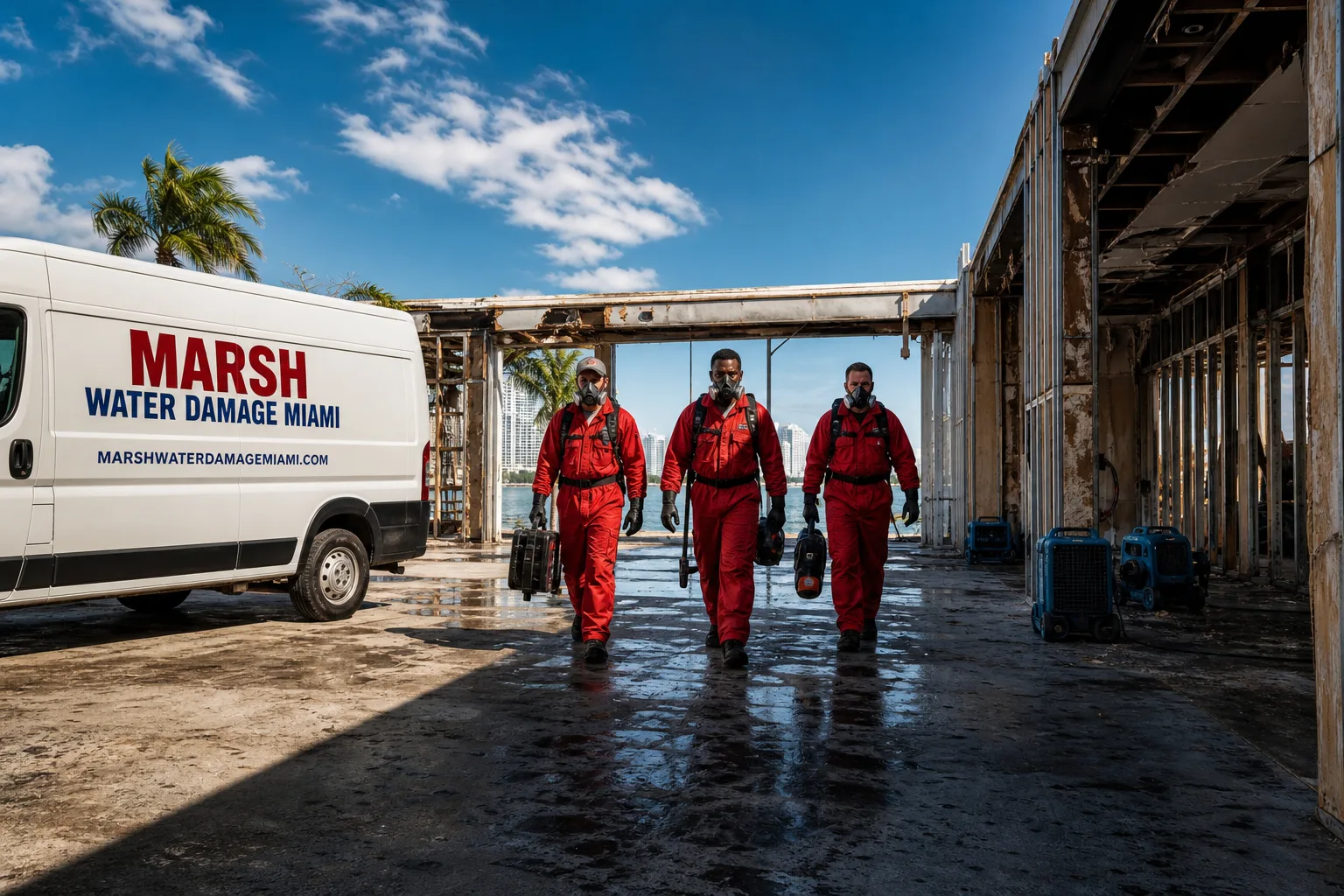
We coordinate dispatch and scheduling from the brand’s Miami office, so crews serving Pinewood are local and arrive quickly, usually within 60 to 90 minutes for emergency water extraction. Tobias Reyner leads the technical team, and the same standard applies to every visit: live answer, verified technician, written scope, drying plan, documentation.
Restoration work we handle
Flood Restoration in Pinewood
Flood restoration in Pinewood typically means standing water from a summer thunderstorm that overwhelmed drainage, a flat roof that gave way, or a window flashing failure on a stucco-clad addition. Most residential flood extractions here run between $1,800 and $4,500 before drying equipment is set. That includes water extraction, moisture mapping, containment, antimicrobial treatment, and structural drying.
Extraction and Containment First
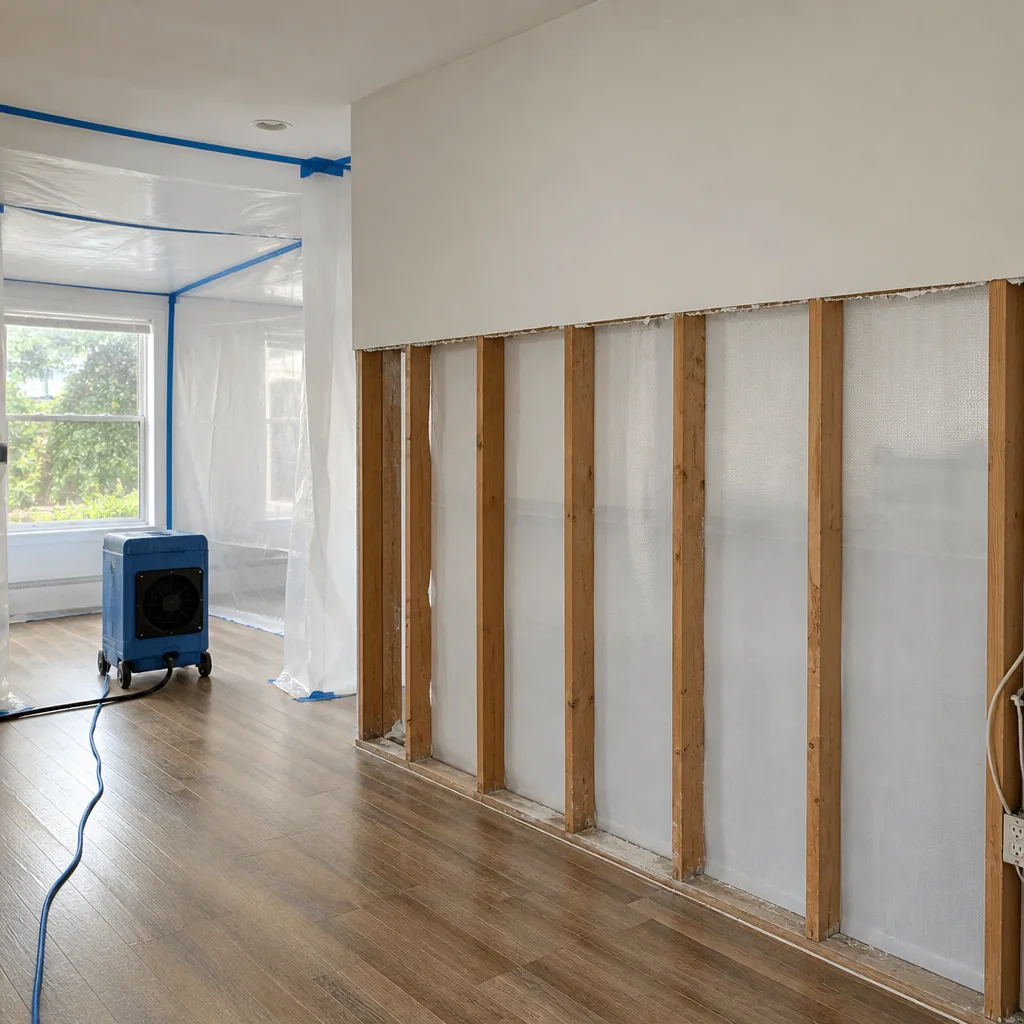
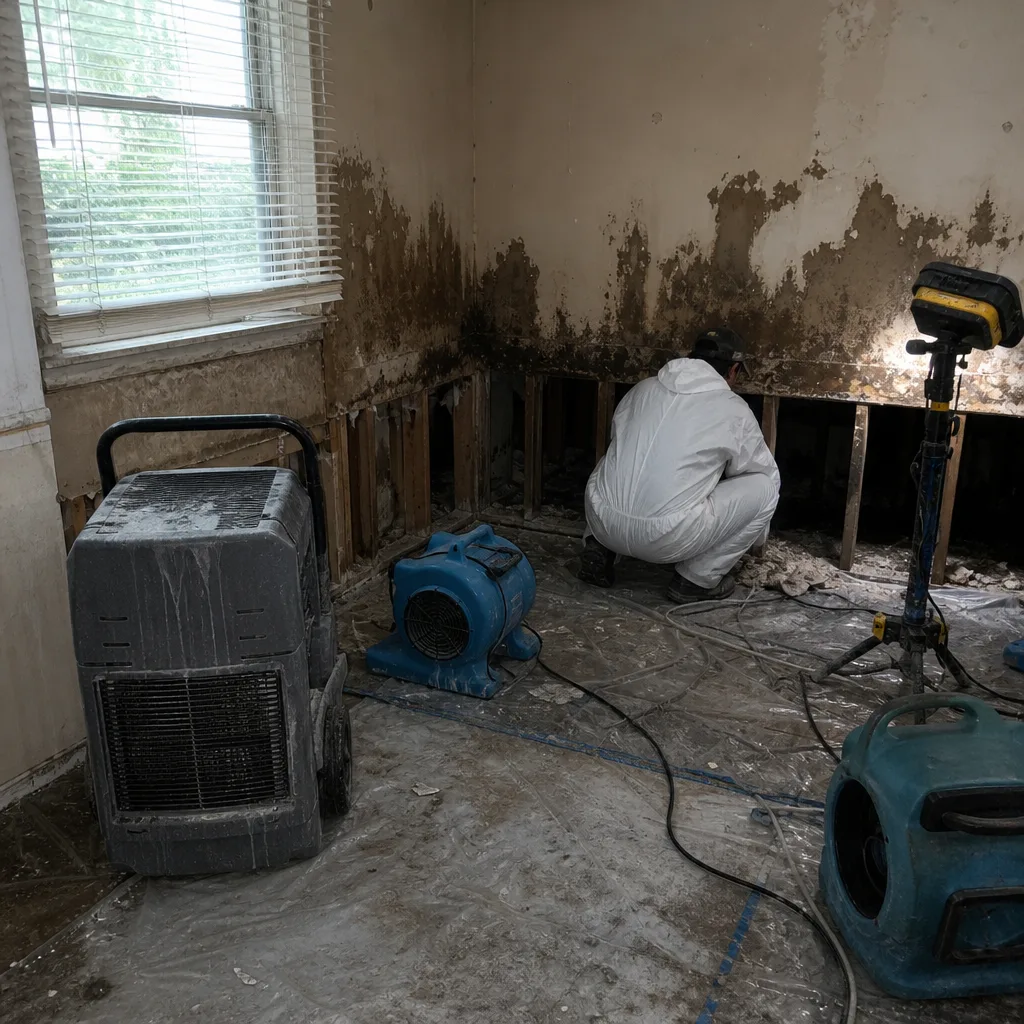
We pull standing water with truck-mounted and portable extraction units from Phoenix and XPOWER, then set containment so contaminated storm water doesn’t spread into dry rooms. In Pinewood’s concrete-block homes, water tends to pool on slab floors and wick into drywall from the base up, which is why we cut and remove saturated drywall the same day when needed.
Documentation for Your Adjuster
Every flood restoration job includes photo documentation, moisture readings before and after drying, and a written report you can hand directly to your insurance adjuster. We work directly with adjusters when you want us to, and the documentation trail matches what carriers expect from a professional restoration company.
Basement Flood Cleanup in Pinewood
Basement flood cleanup in Pinewood is less common than in northern cities, but some older homes here have partial basements or sunken utility rooms that collect water during heavy rain events. Cleanup for a sunken utility room or partial basement flood typically runs $1,500 to $3,800, depending on depth and contamination level.
Category 1 vs Category 3 Water
We determine water category before we touch anything. Category 1 is clean water from a supply line or rain that hasn’t contacted contaminants. Category 3 is grossly contaminated water, often from sewage backups or storm surge mixing with ground runoff. The category determines everything: what gets dried, what gets removed, and what gets disinfected. Storm water in Pinewood can shift from Category 1 to Category 3 fast, especially if it sat for more than a day in warm, humid conditions.
Drying Below Grade Is Different
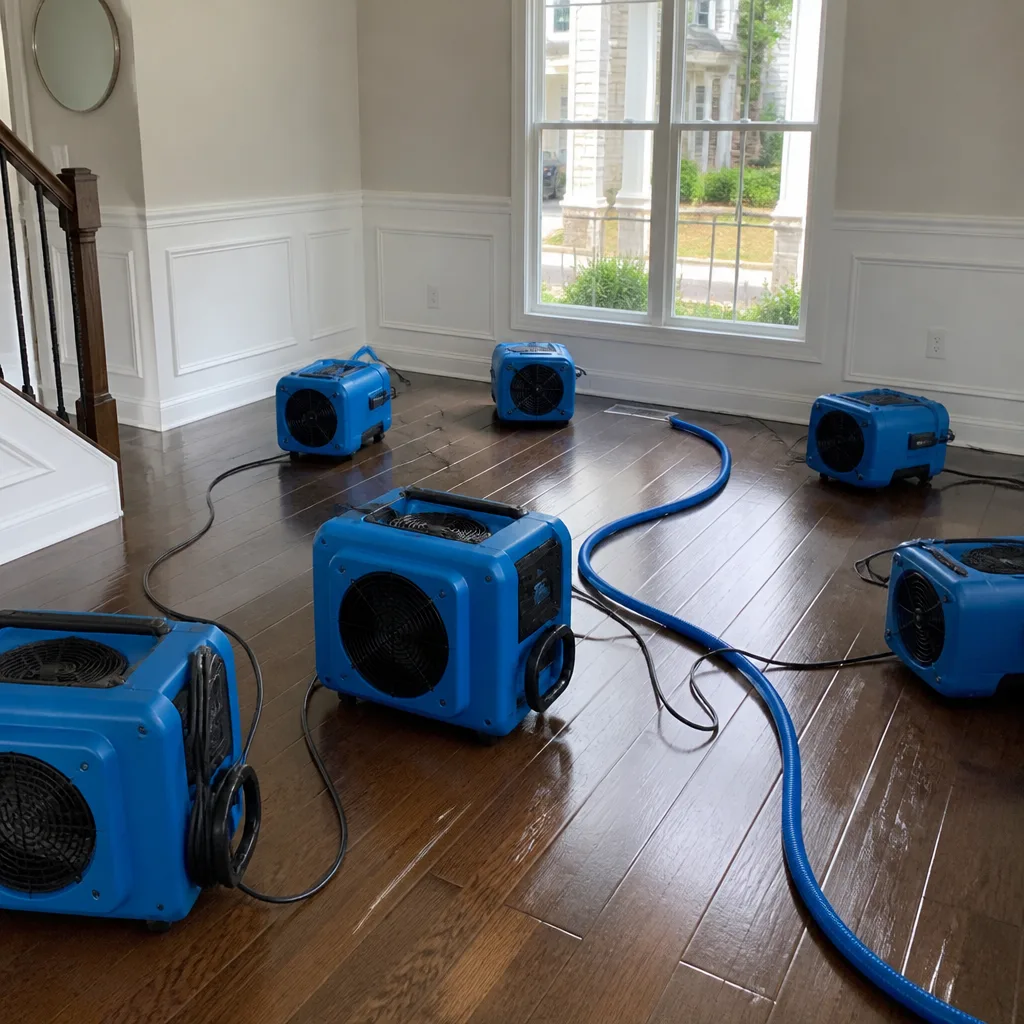
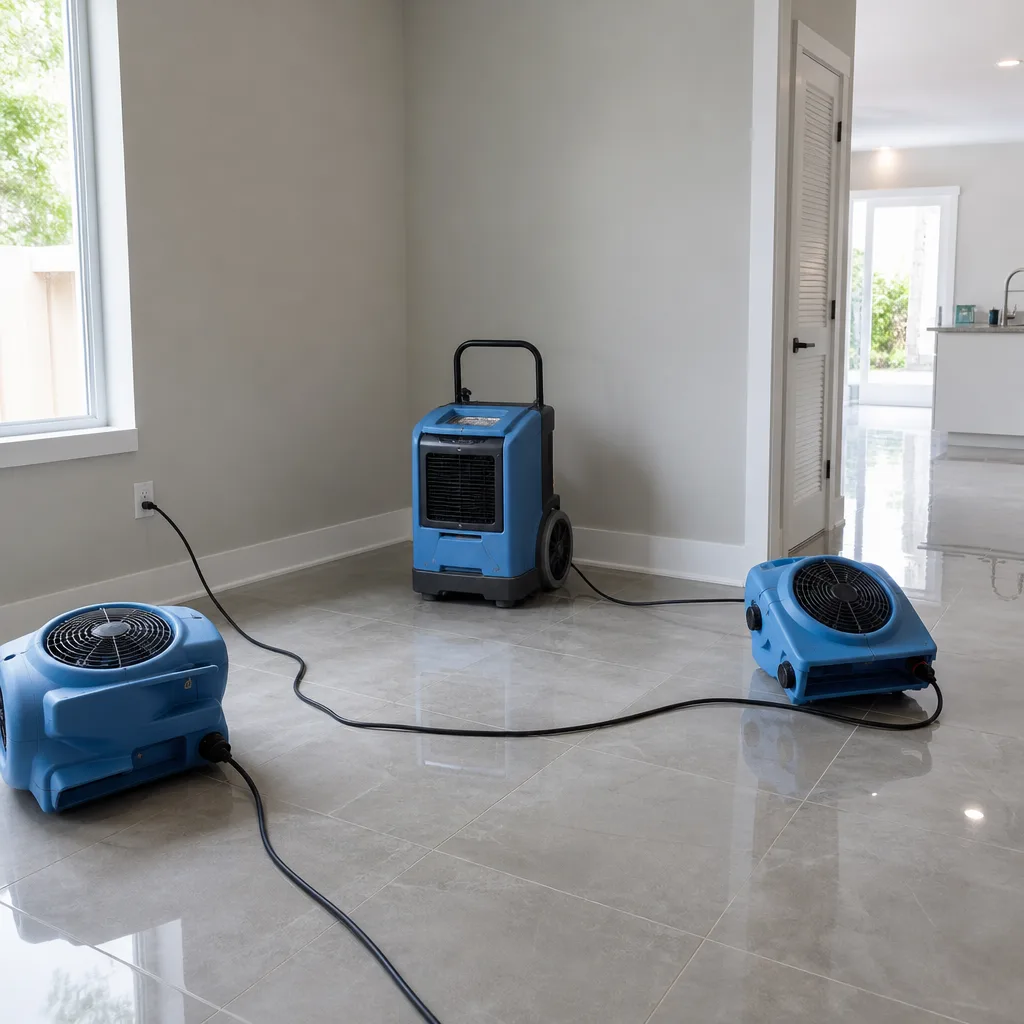
Below-grade spaces hold moisture longer because concrete stays cool and humid. We use B-Air and Dri-Eaz dehumidifiers sized to the cubic footage, plus air movers positioned to force evaporation. Psychrometric readings, which measure the moisture in the air, tell us when the space is genuinely dry, not just dry on the surface. Rushing this step is how you get mold six weeks later.
Trusted Brands We Service in Pinewood
We service and operate restoration equipment from the names the industry actually uses: Dri-Eaz, Phoenix, XPOWER, B-Air, and Injectidry. For Pinewood homeowners, that means the drying equipment on your job is the same commercial-grade gear used on large losses. We keep extraction units, dehumidifiers, air movers, and Injectidry drying mats ready in our South Florida fleet, so there’s no waiting on a rental house when your west wall just took an inch of driven rain.
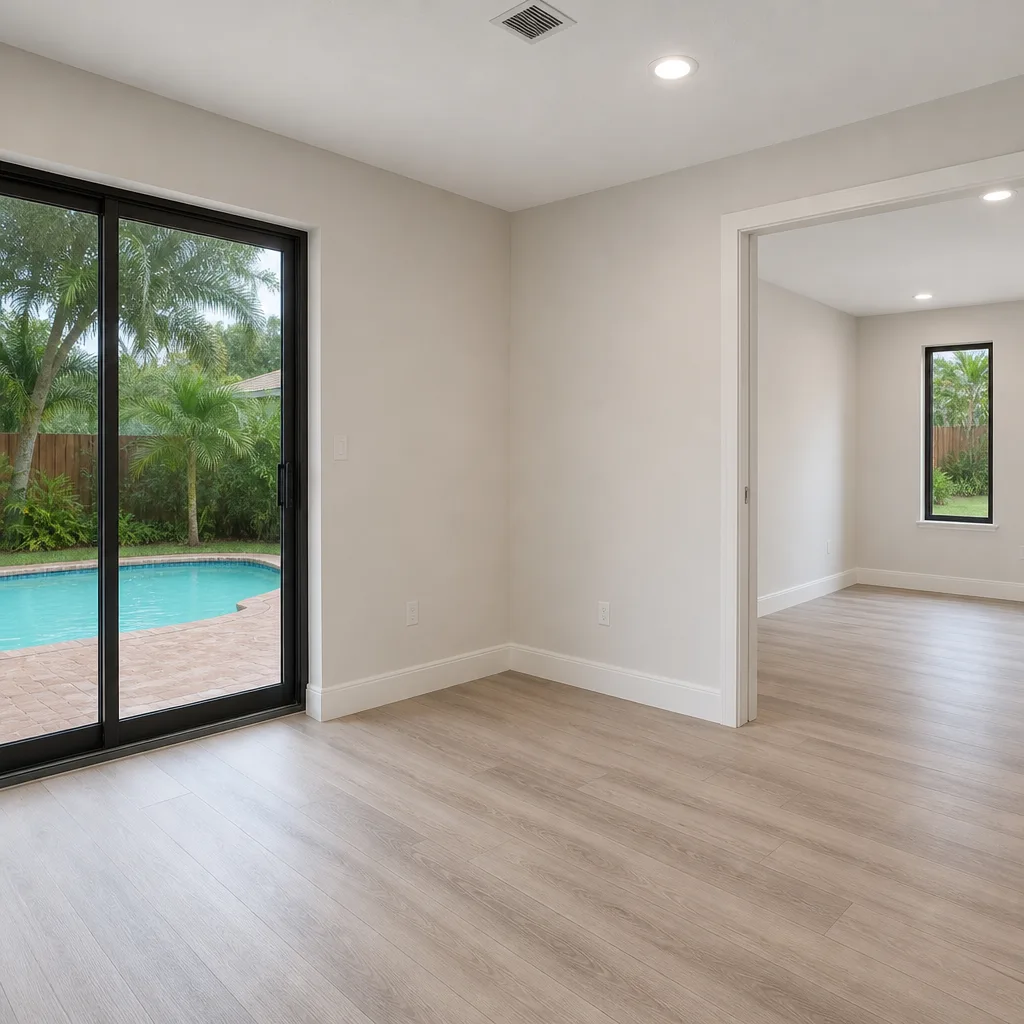
See the difference
 Before
 After
After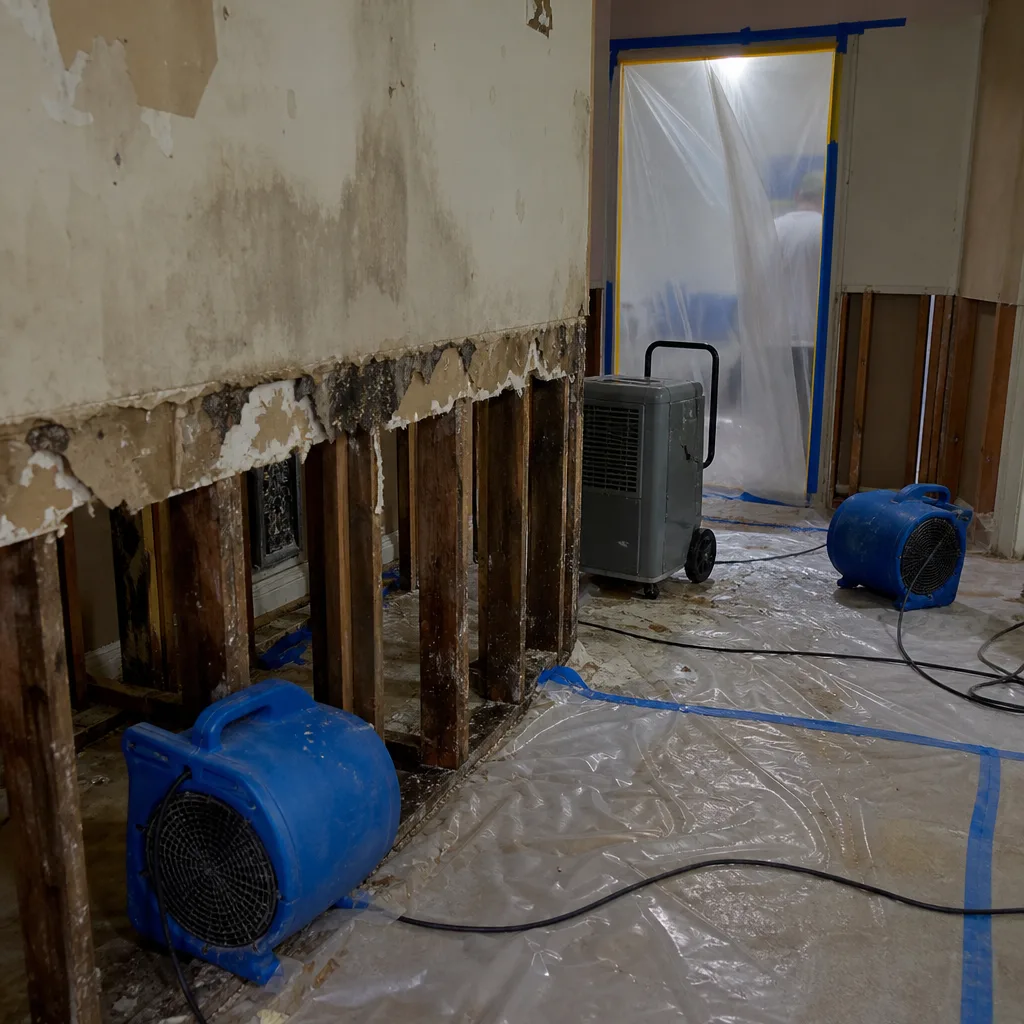 Before
 After
After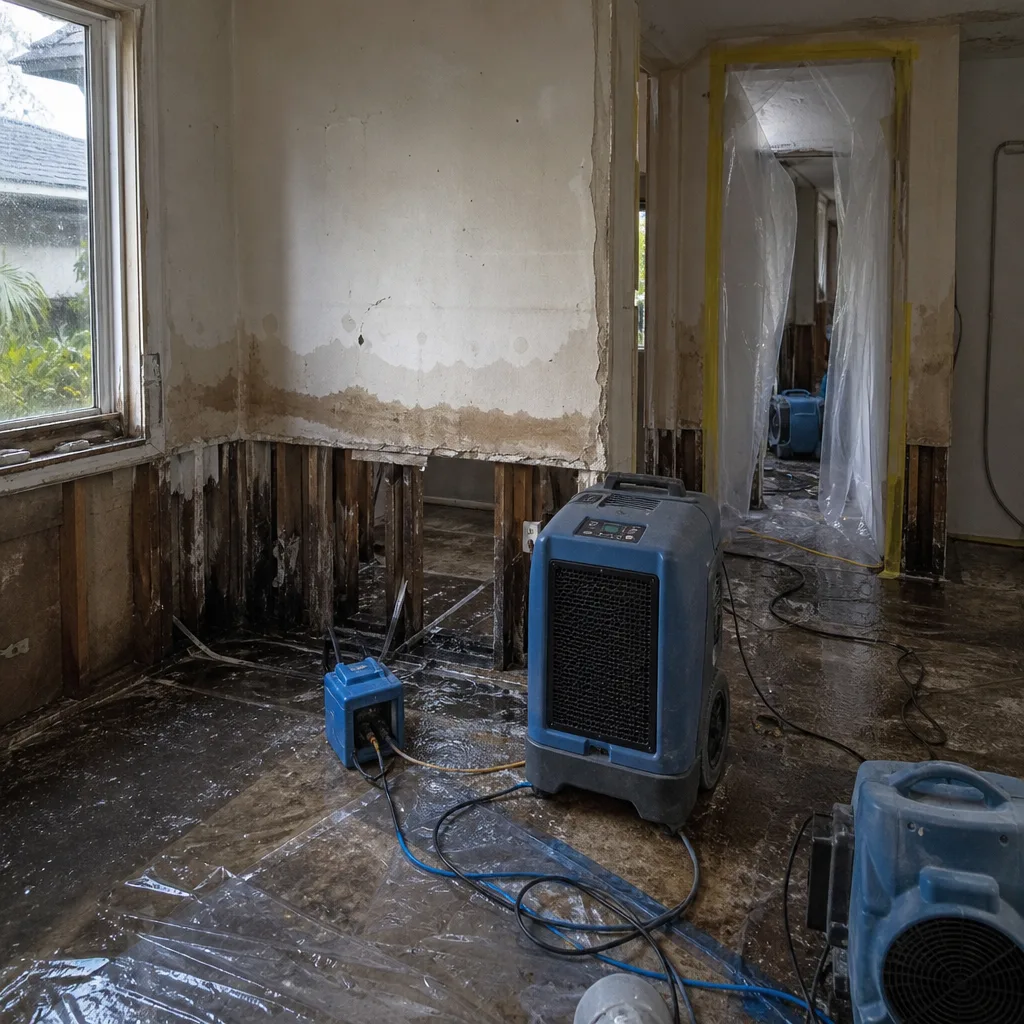 Before
 After
AfterCommon Storm Damage Restoration Problems We See in Pinewood Homes
- West-facing stucco walls with hidden water behind them. Many 1950s-1970s concrete-block homes in Pinewood lack proper weep screeds, so driven rain from afternoon thunderstorms gets trapped behind stucco and migrates into interior closets. The first sign is usually a musty smell, not a visible stain.
- Flat roof leaks at parapet wall intersections. Flat and low-slope roofs on older concrete-block homes leak where the roof membrane meets the parapet. Water travels into wall cavities and shows up as ceiling stains days after the storm passed.
- Window flashing failures on stucco-clad additions. Storm water seeps behind window frames on older additions, causing paint bubbling and swelling that homeowners often mistake for cosmetic wear before structural drying is needed.
- Mold development within 24-48 hours. Pinewood’s proximity to Biscayne Bay means high ambient moisture year-round. Once storm water enters a wall cavity or closet, mold can establish in as little as a day or two, especially during the May-to-October storm season.
Pricing for Storm Damage Restoration in Pinewood, FL
Storm damage restoration in Pinewood runs on a range, not a mystery number. Water extraction and drying for a single room typically falls between $1,600 and $3,200. A flat roof leak that soaked a bedroom and closet usually lands between $2,800 and $5,500. A full Category 3 basement or utility room cleanup with antimicrobial treatment runs $3,500 to $7,800. What moves the number is square footage, water category, how long the water sat, and whether drywall or flooring needs removal. We give you a written price before any work starts, and that’s the price, not an opening bid. Call (689) 888-7601 for a free estimate. The estimate is free, the phone call is live, and you’ll know exactly who’s coming before they arrive.
We Also Serve Cities Near Pinewood
Our storm restoration crews work throughout northern Miami-Dade, including Miami, Miami Beach, Hialeah, and North Miami. If you’re just outside Pinewood and dealing with storm water, call us and we’ll tell you straight whether we can get a crew to you quickly. The same Threshold Verified standard applies everywhere we work.
Serving Pinewood, FL - Our Local Coverage Area
We’re based in the Pinewood area and know this community well. Use the map below to see our service coverage - if you’re nearby, we can almost certainly help.
FAQs About Storm Damage Restoration in Pinewood
Mold can establish in a wet Pinewood closet within 24 to 48 hours, sometimes faster during the humid summer months when Biscayne Bay keeps ambient moisture high. What you should do first is call us at (689) 888-7601 and stop opening and closing the closet door, which spreads spores into the rest of the house. We’ll set containment, remove the wet drywall if needed, and start drying the same day.
No, and this is the single most common misdiagnosis we see in Pinewood. The musty smell in a west-facing closet is often from wind-driven rain pushing through stucco walls that lack weep screeds, not from a roof leak at all. The water gets trapped behind the stucco, migrates into the wall cavity, and settles in the closet, where it stays warm and damp. We use moisture mapping to trace where the water actually came from before we dry anything.
Category 1 water is clean at the source, like rain that came straight through a roof leak. Category 3 water is grossly contaminated, typically from sewage, storm surge, or ground runoff that picked up chemicals and waste. The category determines what we can dry versus what must be removed, and it directly affects your claim. Insurers treat Category 3 differently, and we document the category with testing and photos so your adjuster has a clear record.
In most cases, yes, for the closets that are wet. We provide guidance on what can be dried in place and what should be moved, and we can help you move items carefully when the damage is extensive. Keeping wet clothing or boxes in a closet while we dry the wall cavity slows the whole process and invites mold onto fabric. We’ll tell you exactly what to pull and what can stay before equipment goes in.
We dry flat roof leaks by first tracing the water path with moisture meters and thermal imaging, then drilling small, neat access points rather than removing entire walls. Injectidry drying mats push warm, dry air into wall cavities from the inside, and Dri-Eaz dehumidifiers pull vapor out of the room. In many Pinewood concrete-block homes, we can save most of the drywall and only cut what’s actually saturated, which keeps the repair scope smaller and the price lower.
Written by Tobias Reyner, Owner at Marsh Water Damage Miami, serving Pinewood and northern Miami-Dade since 2005.