
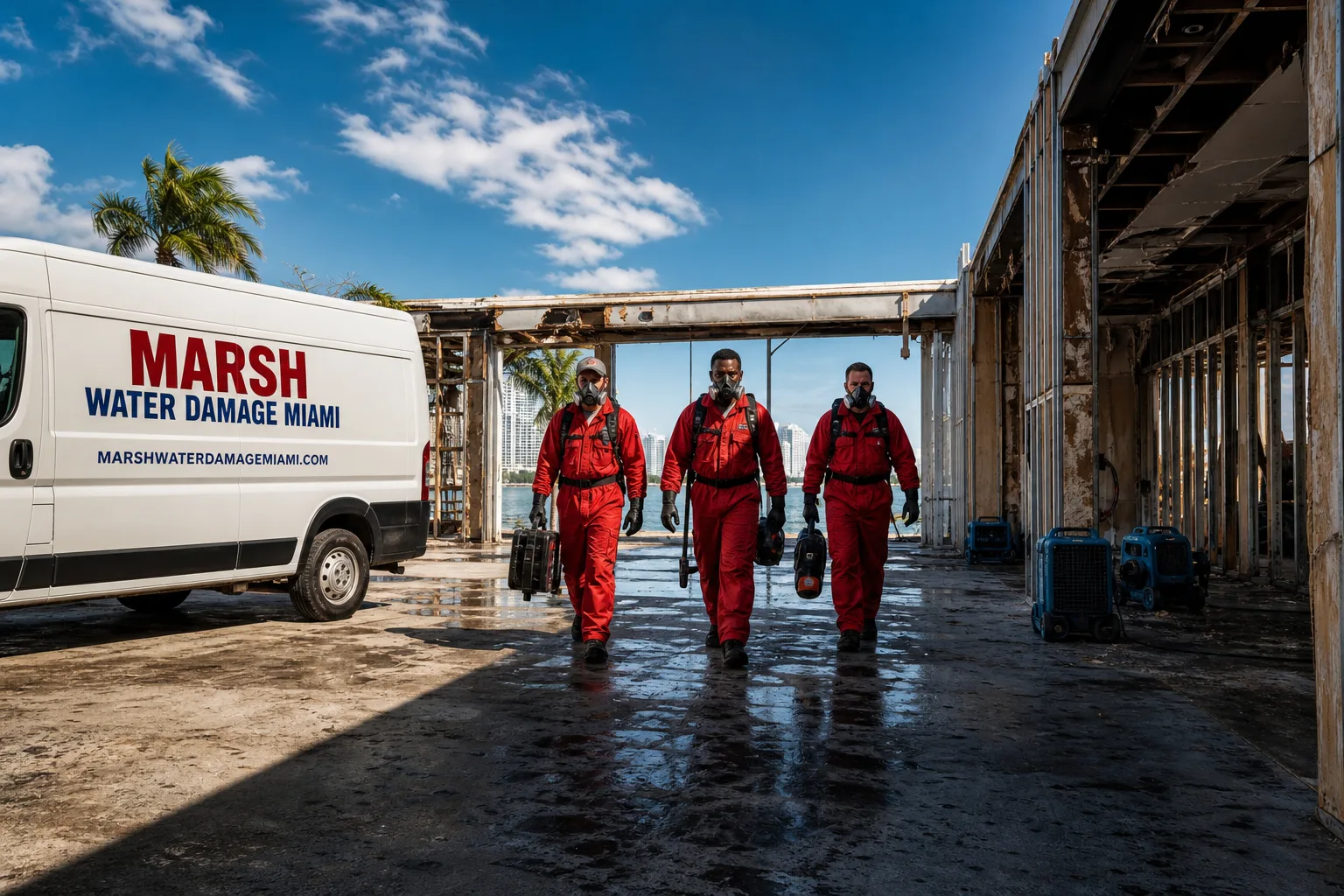
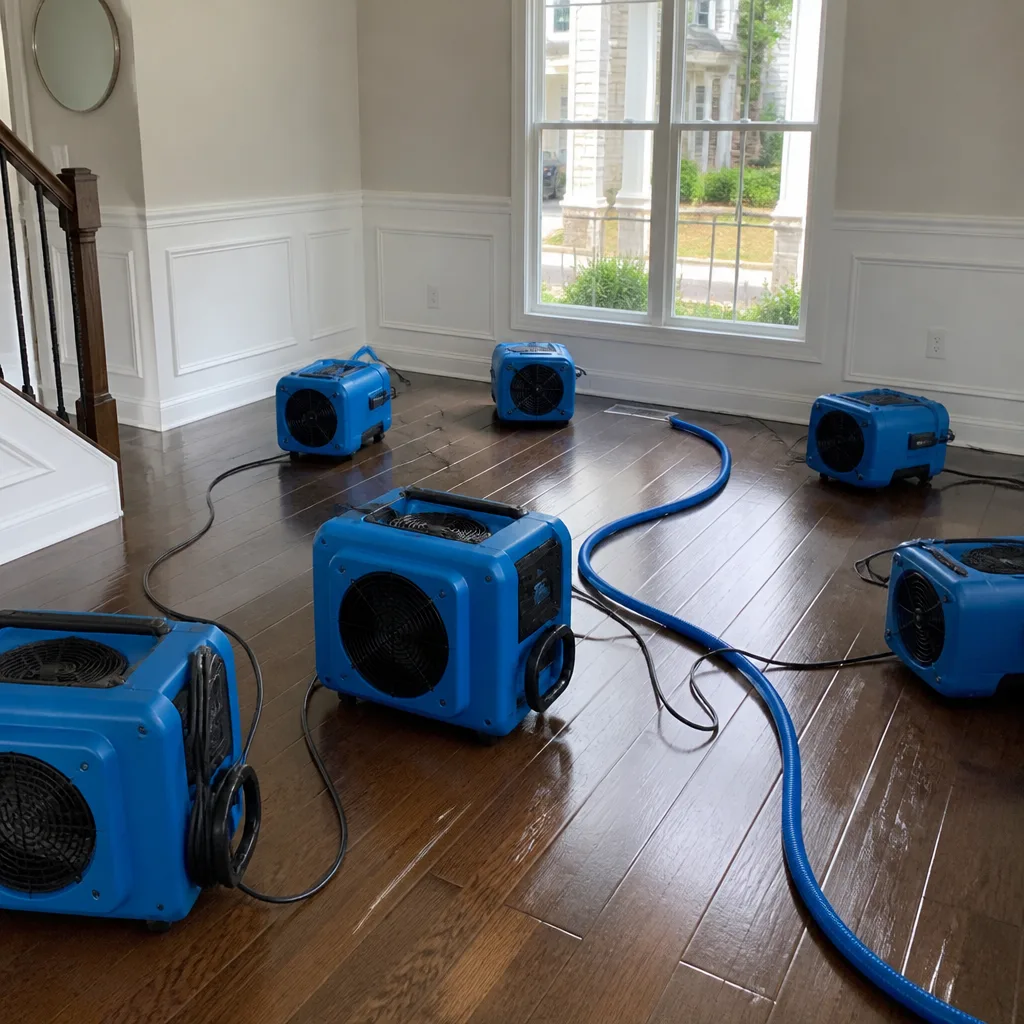
 Water damage drying
 Fire & smoke cleanup
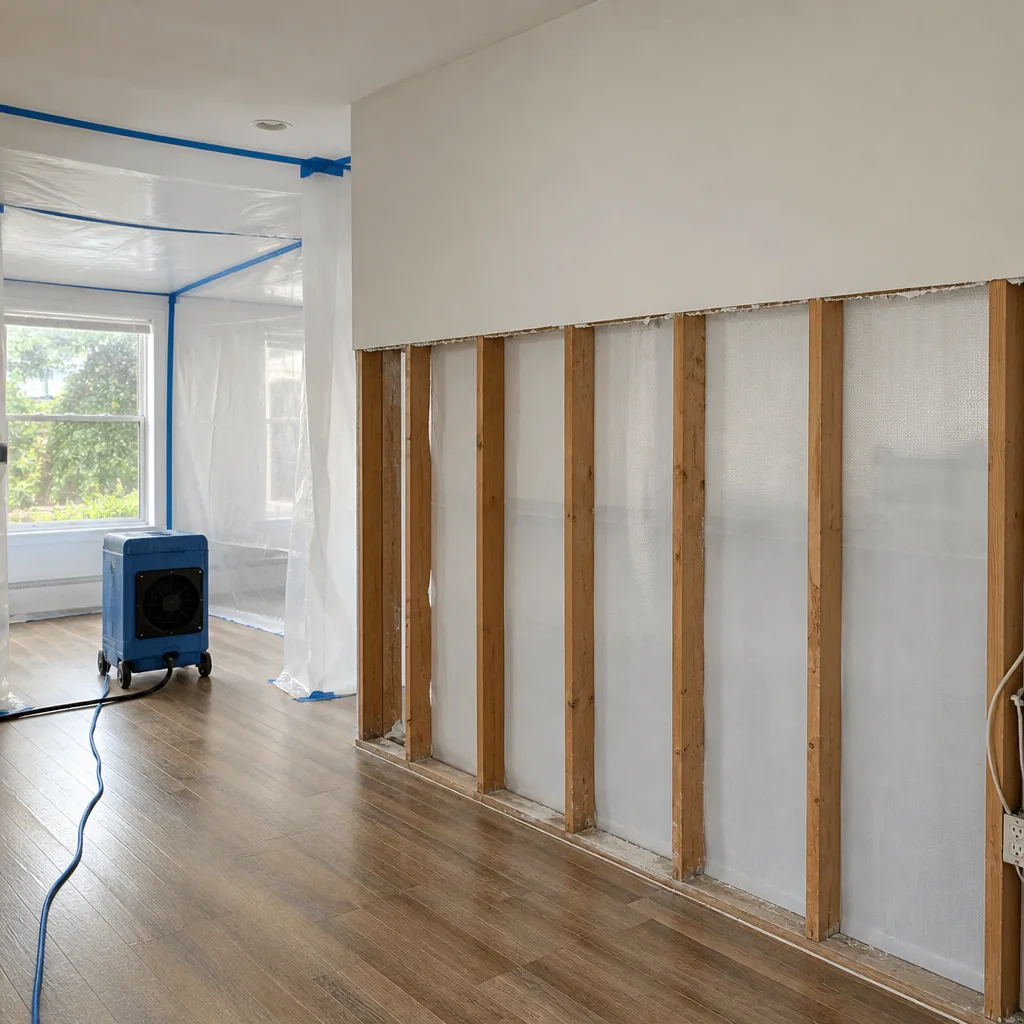 Mold remediation
 Storm response
 Sewage cleanup
 Reconstruction
Free visual inspection and a written scope of work before any mitigation begins - photos, moisture readings, and drying logs go in your claim file
The scope we write is the scope we bill. Anything new gets shown to you, in writing, before we touch it.
Get your free estimateFast, Reliable Storm Damage Restoration Across Miami Beach
Storm damage restoration in Miami Beach, FL typically costs between $2,800 and $12,500 depending on whether you’re dealing with a blown-out impact door, saltwater wicking through a concrete slab, or wind-driven rain that found its way into a 1950s plaster-over-concrete wall. Most jobs in Miami Beach start with emergency board-up and water extraction within hours, not days. If you’re looking at bubbling paint at the base of a terrazzo lobby or a door that took a direct hit during the last squall, call (689) 888-7601 now and a live person will answer, not a voicemail.
Why Marsh Water Damage Miami Is Miami Beach’s Preferred Storm Damage Restoration Company
We know Miami Beach’s building stock the way a mechanic knows a specific make of car. The low- and mid-rise concrete and masonry buildings from the 1930s through the 1960s that line South Beach, Mid-Beach, and North Beach behave differently after a storm than wood-frame houses inland. Plaster over concrete traps moisture. Terrazzo floors wick saltwater up through the slab. Flat roofs and shallow-pitch parapets let wind-driven rain inside wall cavities. Our crews work these buildings every week, and the drying protocols we use are built for them, not adapted from some inland playbook.
Every tech who arrives at your door is Threshold Verified: background-checked, identity-verified, and sent to you by name and photo before the visit. They show a photo ID badge at the door, every time. You’ll know who is walking in before they knock. Tobias Reyner leads the team, and the same standard applies whether it’s a single condo unit in South of Fifth or a full lobby in the Faena District. We’ve been doing this since 2005 as part of the Threshold Group family of restoration companies, and we put a written price in your hands before any work starts.
Response Time to Miami Beach
Our Miami office dispatches crews to Miami Beach neighborhoods like Flamingo Park, Bayshore, and Normandy Isle within 60 to 90 minutes for storm emergencies. That matters because saltwater and humidity don’t wait. In Miami Beach’s subtropical air, mold begins forming inside wet block walls within 48 hours, faster than almost any inland city in Florida. A live person answers our phones 24/7, including holidays.
Written Price Before We Start
You get a written scope of work and a dollar figure before any extraction, drying, or demo begins. Not an estimate that balloons after the drywall comes down. That written price is stamped on your work order, and so is our 365-Day Done Right Promise: if the repair isn’t right within a full year, we make it right. A free second visit is included automatically. You don’t have to argue for it.
Restoration work we handle
Storm Damage Cleanup in Miami Beach
Storm Damage Cleanup in Miami Beach means something different here than it does in Coral Gables or Kendall. Here, we’re often removing wind-blown debris from third-floor terraces, extracting rainwater from sunken living rooms, and setting containment in lobbies with terrazzo floors and original plaster walls. A typical storm damage cleanup in Miami Beach runs $1,800 to $5,400 for a single-unit water extraction with debris removal and surface drying. Lobby-level jobs in mid-rise buildings run $4,000 to $12,500 because of the containment, equipment staging, and structural drying involved. When a Category 1 or 2 system pushes surge water into a 1950s lobby, the cleanup isn’t cosmetic. It’s structural.
Post-Storm Debris and Board-Up
After a squall line or tropical system, the first thing we do is secure the envelope: board-up for blown-out impact doors, tarping for flat roof punctures, and debris removal from terraces and entryways. This stops further damage while we map moisture behind the walls and under the floors.
Water Extraction and Containment
For a Miami Beach building with plaster over concrete, we set up negative-air containment and begin our Mold Remediation in Miami Beach before any demolition begins. That isolation keeps mold spores from spreading through shared corridors and elevator shafts. Then we extract standing water and begin the drying sequence that Miami Beach’s salt-laden air requires.
Flood Cleanup in Miami Beach
Flood Cleanup in Miami Beach is shaped by two forces that inland cities never deal with: king tide nuisance flooding and storm surge that pushes saltwater through aging concrete. Typical flood cleanup for a single Miami Beach condo unit runs $2,200 to $6,800. A lobby or ground-floor commercial space in a mid-century building runs $5,000 to $14,000 because of the slab drying and chloride contamination work involved. If the water came from the bay or the ocean, it’s Category 3 water: contaminated, corrosive, and aggressive. That changes everything about how we dry the building.
Saltwater Wicking Through Slabs
Miami Beach’s old concrete slabs are porous. When storm surge or king tide flooding sits on a terrazzo floor, the saltwater gets pulled up through the slab by capillary action. You’ll see paint bubbling at the base of walls, plaster spalling, and moisture readings that stay above 90% relative humidity even after the visible water is gone. Dehumidification alone can’t remove chloride-laden moisture from masonry. We use Dri-Eaz air movers and Phoenix dehumidifiers for structural drying, but we also perform chloride cleaning and antimicrobial treatment on the block walls themselves. That’s the step that keeps mold from blooming behind the baseboards a month after the storm.
Category 3 Water Protocols
When the water is Category 3, fresh from storm surge or sewage mixing with floodwater, we treat every porous surface as contaminated. Base cabinetry gets packed out and disposed of. Drywall that absorbed the water gets cut at a moisture-mapped line. Concrete and terrazzo get antimicrobial treatment after drying. It is not enough to make the floor look dry. The structure has to be dry.
Trusted Brands We Service in Miami Beach
We work on the equipment Miami Beach’s buildings actually use, including impact-rated doors from manufacturers specified in Miami-Dade and Florida Building Code wind-load requirements. Our techs regularly service and assess storm-rated doors, threshold assemblies, and drainage systems on mid-century and Art Deco buildings. We stock common weatherstripping, sealants, and hardware for Miami Beach’s older door assemblies, which cuts turnaround time when a door needs emergency reinforcement before the next band of weather. Our drying equipment comes from Dri-Eaz, Phoenix, and XPOWER, the same commercial-grade gear used on large-loss commercial jobs. If a brand matters to your building’s warranty, let us know when you call (689) 888-7601.
See the difference
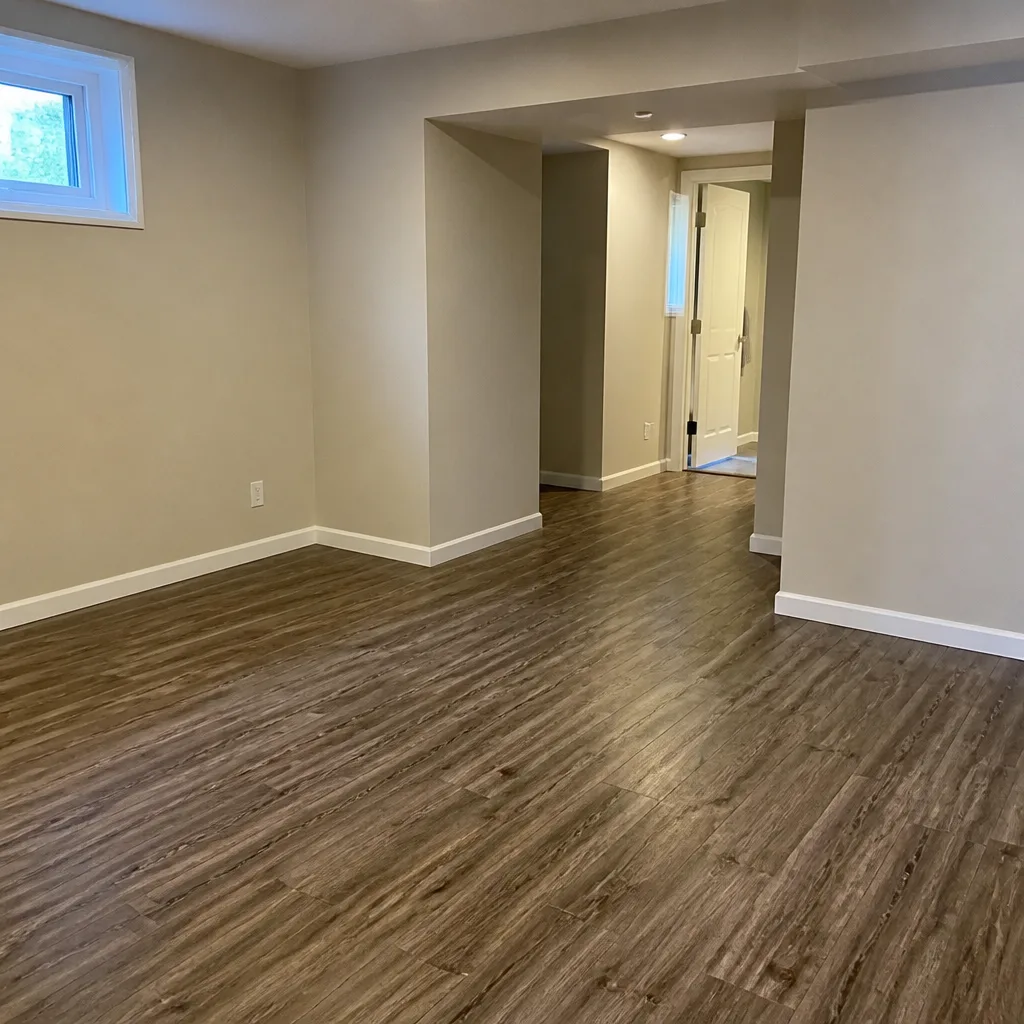
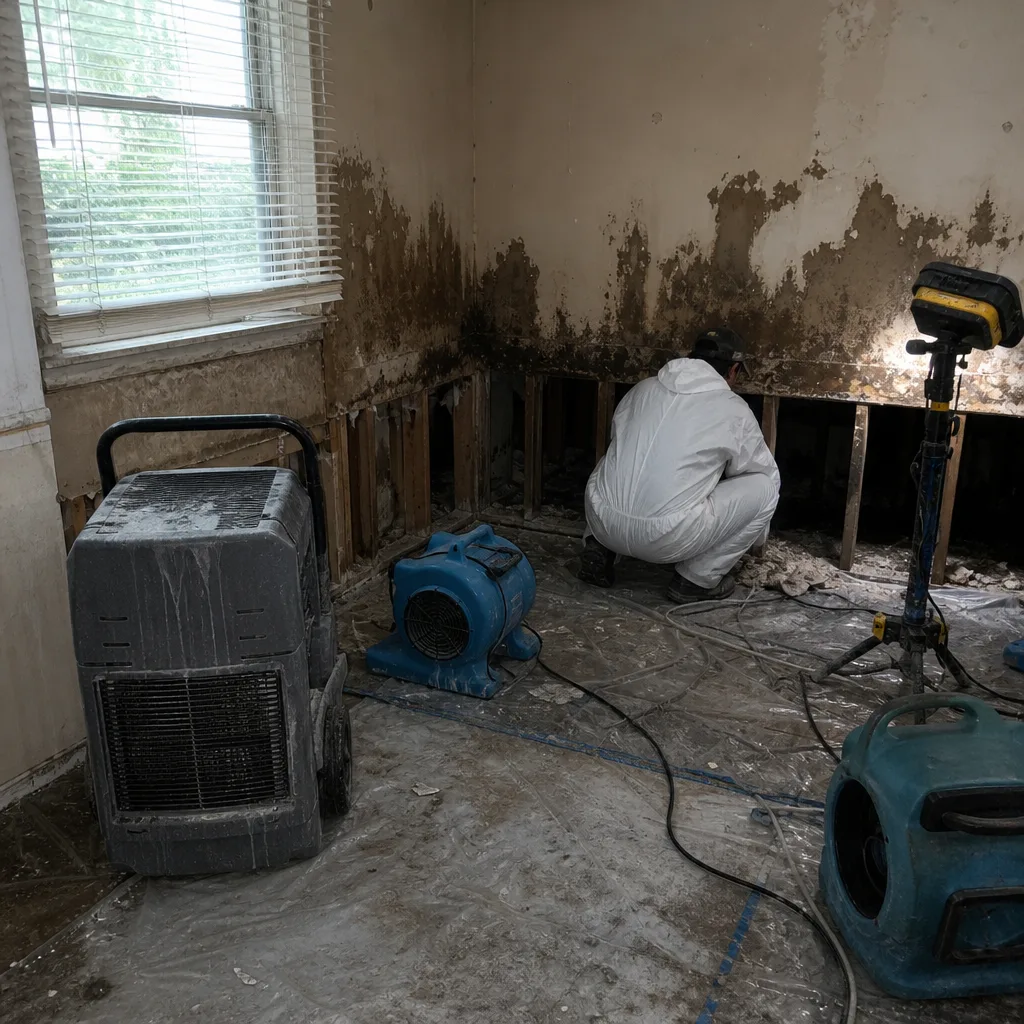 Before
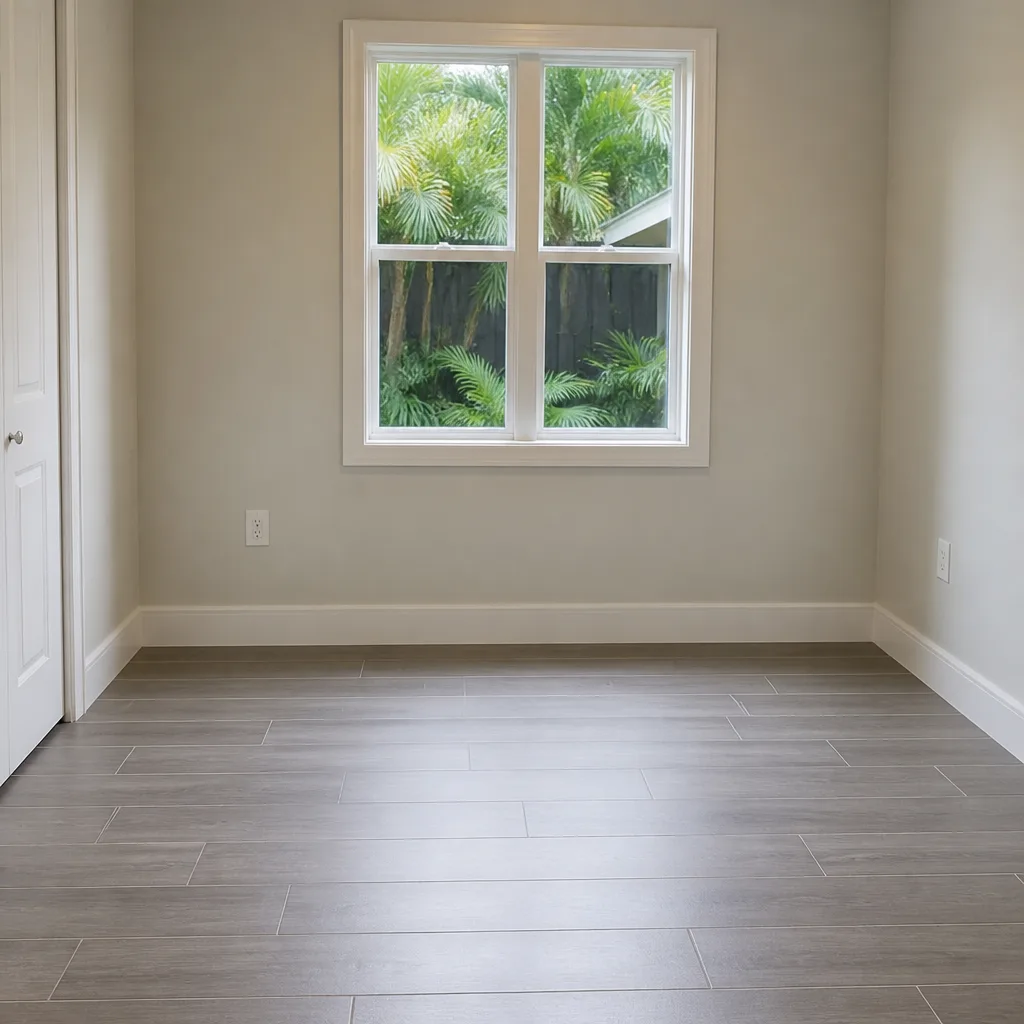 After
After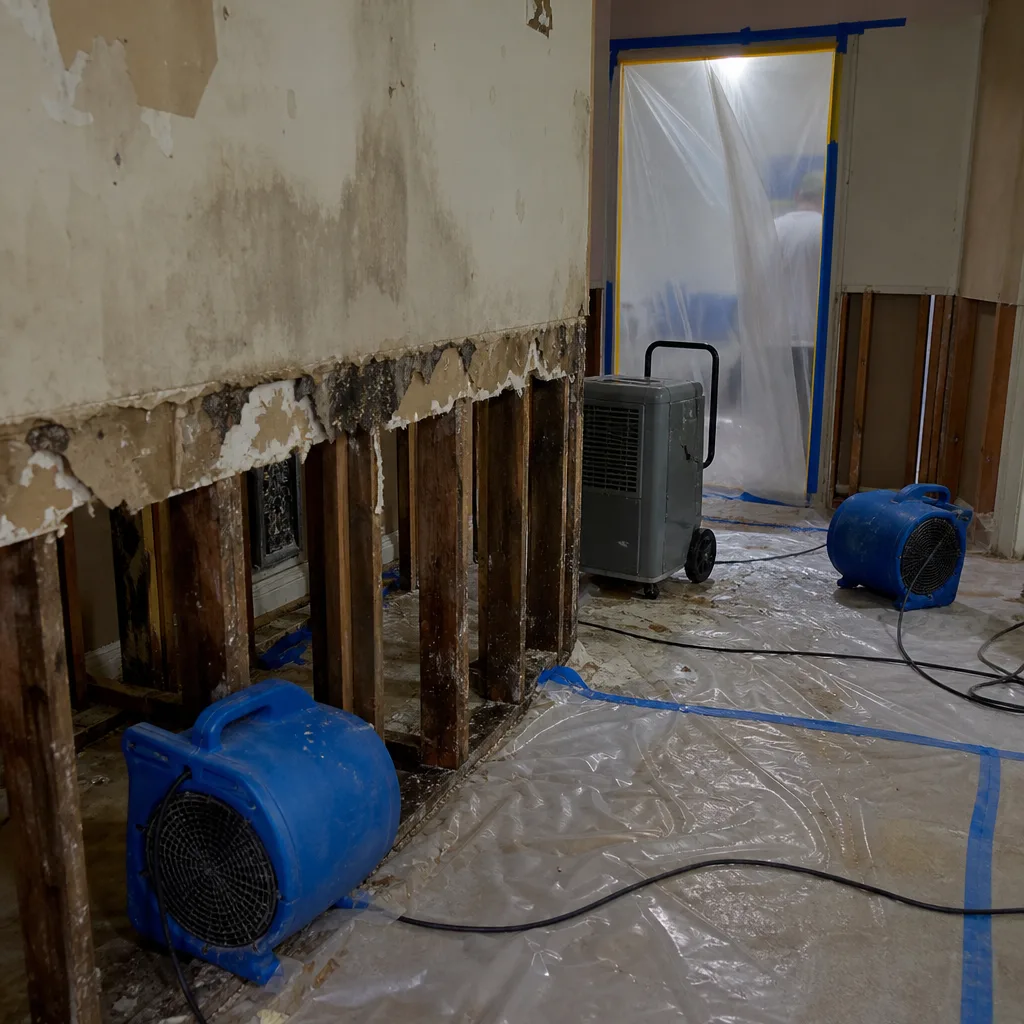 Before
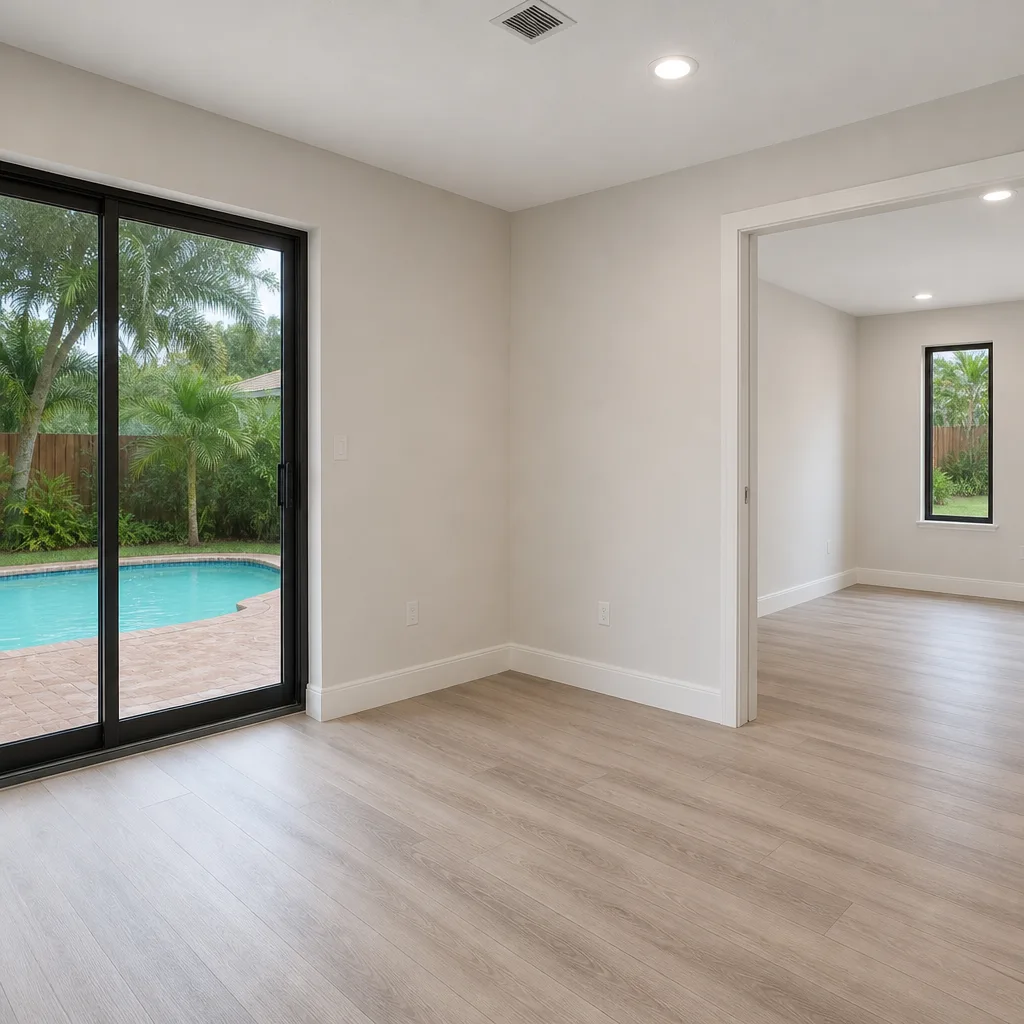 After
After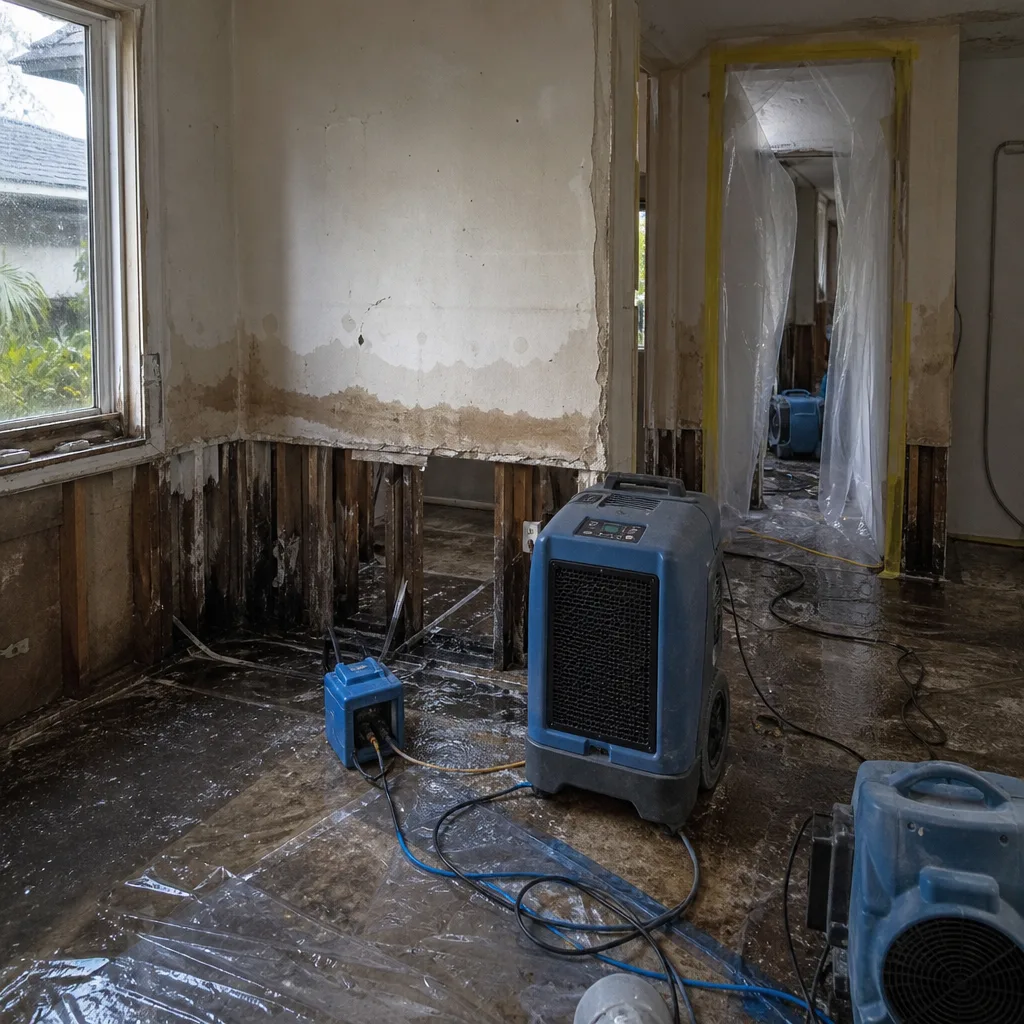 Before
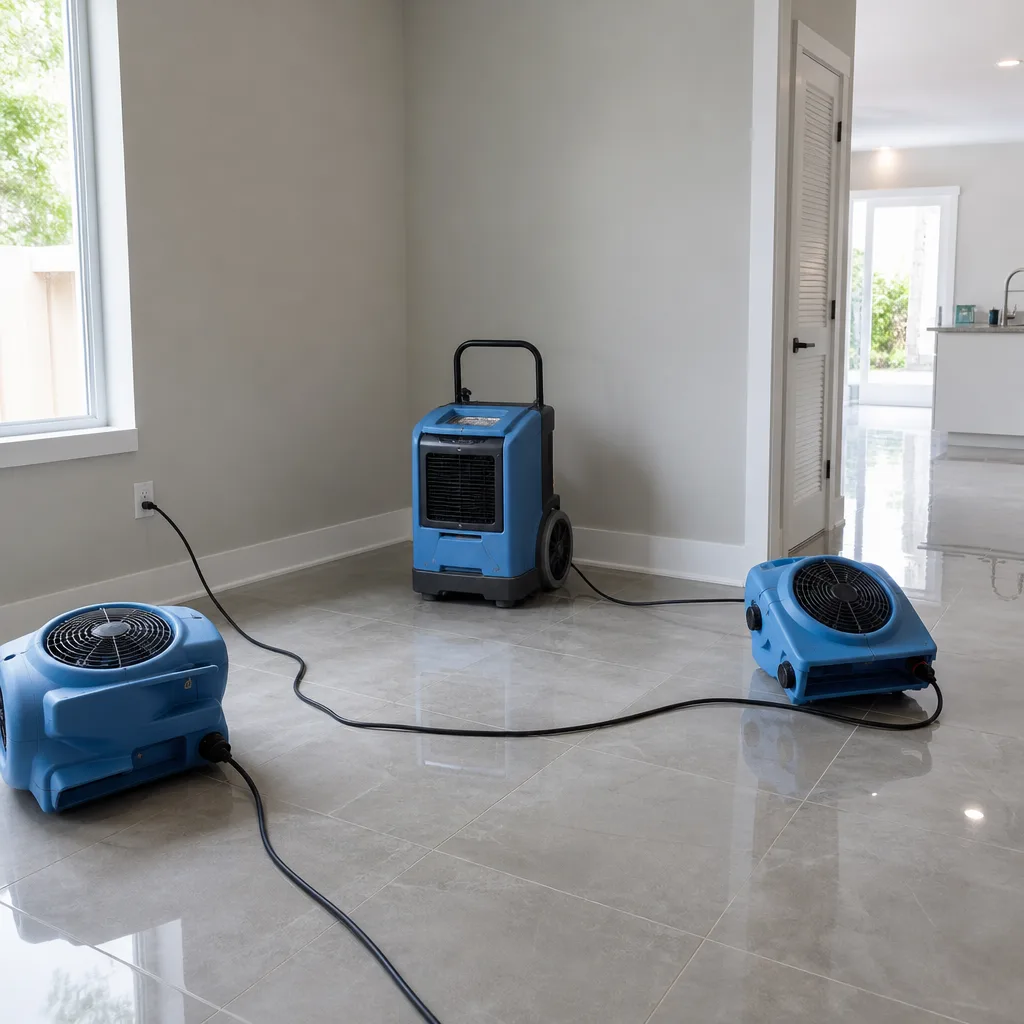 After
AfterCommon Storm Damage Restoration Problems We See in Miami Beach Homes
- Wind-rated door failures on 1950s buildings. Many Miami Beach buildings still have original door frames that predate modern wind-load requirements. A single blown-out impact door can drive Category 3 surge water and wind-driven rain deep into a lobby, turning a door replacement into a full structural drying job. Reinforcing doors before the storm window is cheaper than restoring a lobby after it.
- Saltwater wicking through concrete slabs. On the west side of South Beach, after any king tide nuisance flooding, the first sign of trouble is often bubbling paint at the base of 1950s terrazzo-floored apartment lobbies. The slab looks dry, but chloride-laden moisture is moving up through it, and plaster starts spalling weeks later.
- Hidden moisture in plaster-over-concrete walls. Inland drying protocols use fans and open windows. That does not work on Miami Beach’s plaster-over-concrete interiors. Without containment and targeted dehumidification, mold appears behind baseboards within 48 hours, and the job has to be torn out and restarted.
- Flat and shallow-pitch roof leaks after squalls. Mid-century buildings from the 1930s through the 1960s often have flat roofs or shallow parapet angles. Wind-driven rain from a squall line can enter wall cavities and travel down two or three floors before it shows up as a ceiling stain in a third-floor unit.
Pricing for Storm Damage Restoration in Miami Beach, FL
Here are real numbers for Miami Beach’s market. A single-unit water extraction and cleanup from storm intrusion runs $2,200 to $6,800. Lobby-level flooding in a mid-rise concrete building runs $5,000 to $14,000, influenced by the extent of saltwater wicking, whether containment is needed in shared corridors, and how many wall assemblies have to be opened. A blown-out impact door replacement with structural drying starts around $3,500 and climbs quickly if surge water reached the lobby. We give a written price before any work begins, covering exactly what we’ll do, what equipment we’ll set, and what it costs. Call (689) 888-7601 for a free assessment and a written scope.
We Also Serve Cities Near Miami Beach
Our crews handle storm damage restoration across South Florida. Beyond Miami Beach, we serve Storm Damage Restoration calls in Miami and Hialeah with the same Threshold Verified standard and the same written-price guarantee. If you’re in one of those cities and need help after the next system moves through, call (689) 888-7601 and ask for the storm team.
Serving Miami Beach, FL - Our Local Coverage Area
We’re based in the Miami Beach area and know this community well. Use the map below to see our service coverage - if you’re nearby, we can almost certainly help.
FAQs About Storm Damage Restoration in Miami Beach
Call immediately. In Miami Beach’s subtropical humidity, mold begins forming inside wet block walls within 48 hours, and saltwater wicking through concrete slabs starts causing visible damage within days. The sooner we set containment and begin structural drying, the less demolition is needed. Call (689) 888-7601 the moment the storm passes and you suspect water penetrated the building envelope.
Yes. Miami Beach enforces strict wind-load requirements under the Florida Building Code and Miami-Dade protocols. If a storm-damaged door is replaced, the replacement must meet current impact-rated standards, even if the original door was never rated. That means reinforcement is often part of the restoration scope, not an optional upgrade. We’ll document the code-required work in your written scope so your insurance company sees exactly what was needed and why.
Category 3 water is grossly contaminated: storm surge, seawater, or floodwater that may contain sewage, bacteria, and chemicals. For a Miami Beach lobby, that means every porous surface the water touched is treated as contaminated: base cabinetry is removed, drywall is cut at a moisture-mapped line, and concrete and terrazzo receive antimicrobial treatment after structural drying. You cannot just mop Category 3 water and walk away.
That bubbling paint is saltwater wicking up through the concrete slab. The terrazzo floor looks dry, but moisture is moving through the porous slab by capillary action, carrying chloride-laden saltwater up into the plaster and paint. Dehumidification alone doesn’t stop it. The slab and block walls need targeted structural drying plus chloride cleaning and antimicrobial treatment. Call (689) 888-7601 if you’re seeing this, because it will only spread.
Yes. An impact-rated door can take a hit that leaves no visible dent but damages the frame, breaks the threshold seal, or compromises the jamb anchors. The door may look fine and still leak air, water, and wind-driven rain from the next system. We can moisture-map the wall around the door and inspect the frame and threshold. If there’s hidden damage, a written scope shows exactly what’s needed. Call (689) 888-7601 to schedule an inspection before the next storm window.
Written by Tobias Reyner, Owner at Marsh Water Damage Miami, serving Miami Beach with storm damage restoration, flood cleanup, and structural drying since 2005.