

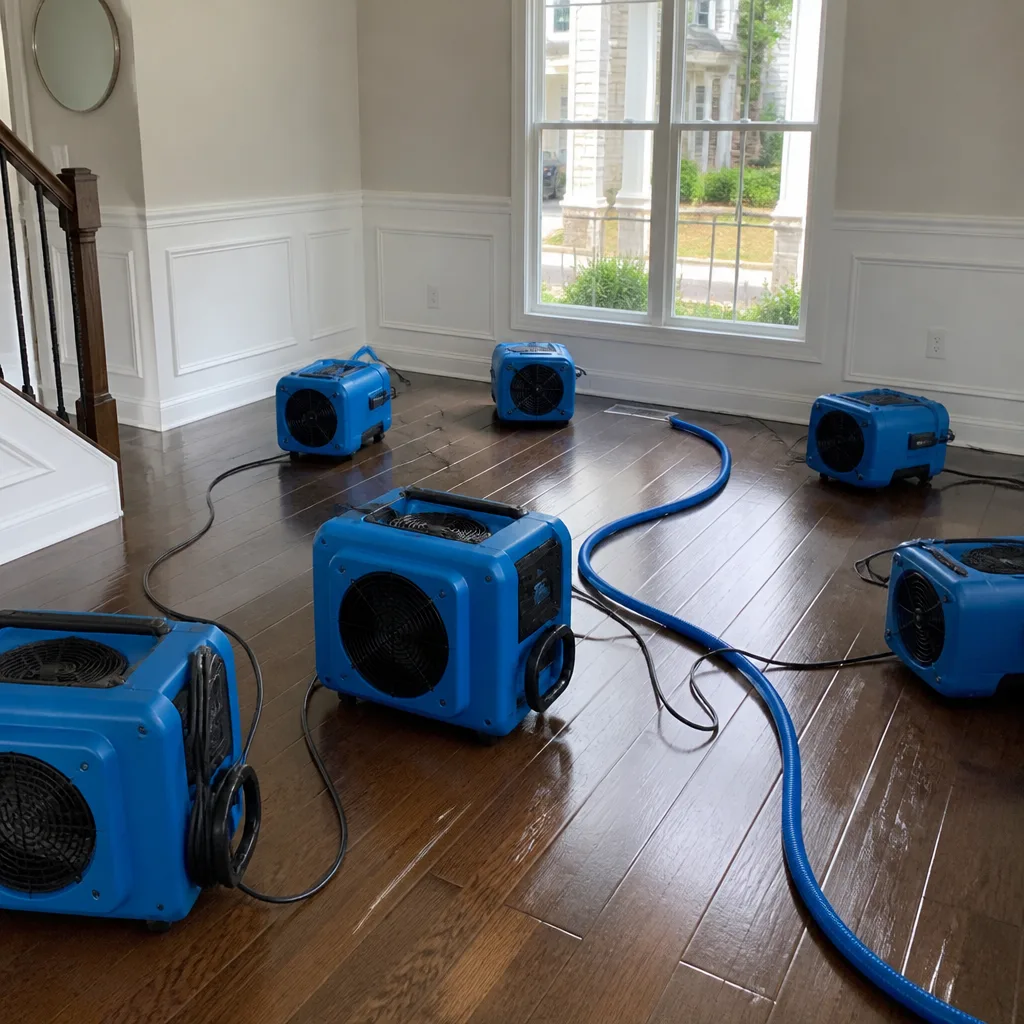
 Water damage drying
 Fire & smoke cleanup
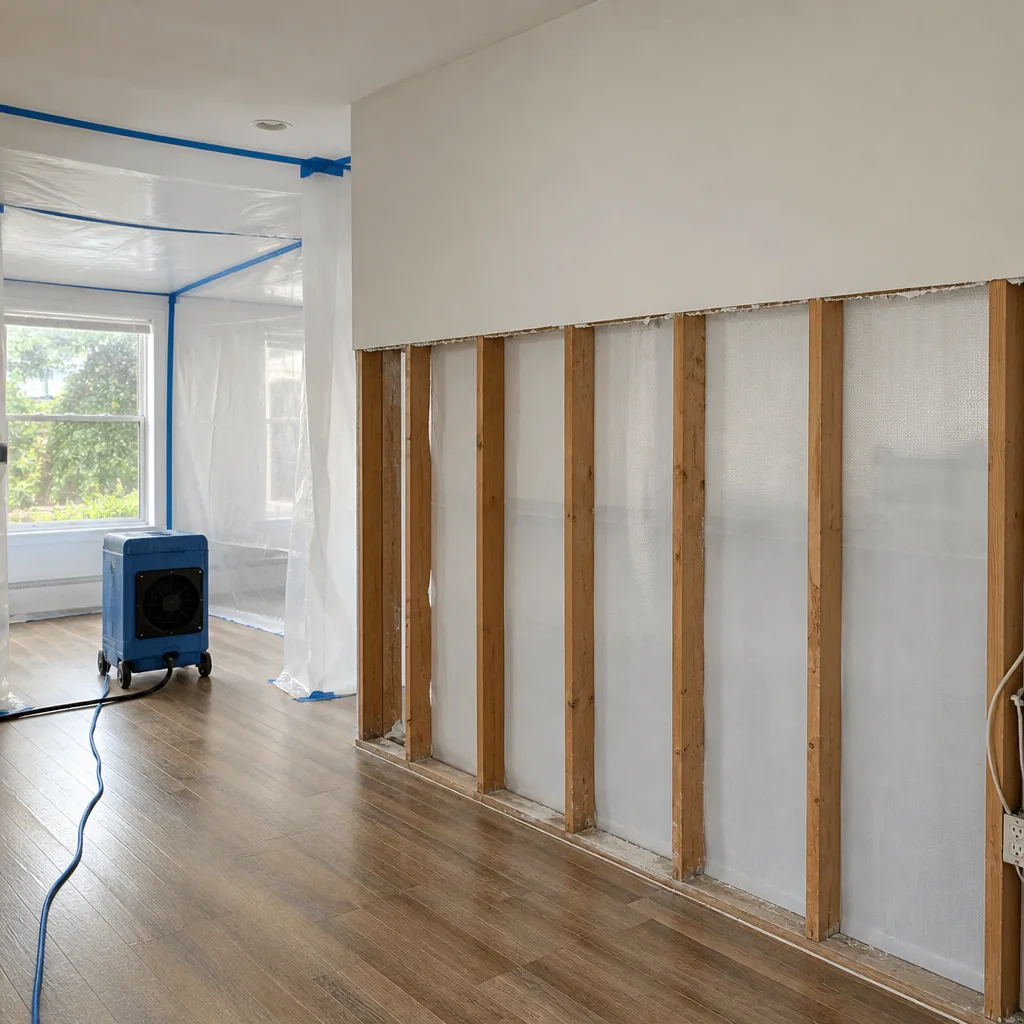 Mold remediation
 Storm response
 Sewage cleanup
 Reconstruction
Free visual inspection and a written scope of work before any mitigation begins - photos, moisture readings, and drying logs go in your claim file
The scope we write is the scope we bill. Anything new gets shown to you, in writing, before we touch it.
Get your free estimateRestoration work we handle
See the difference
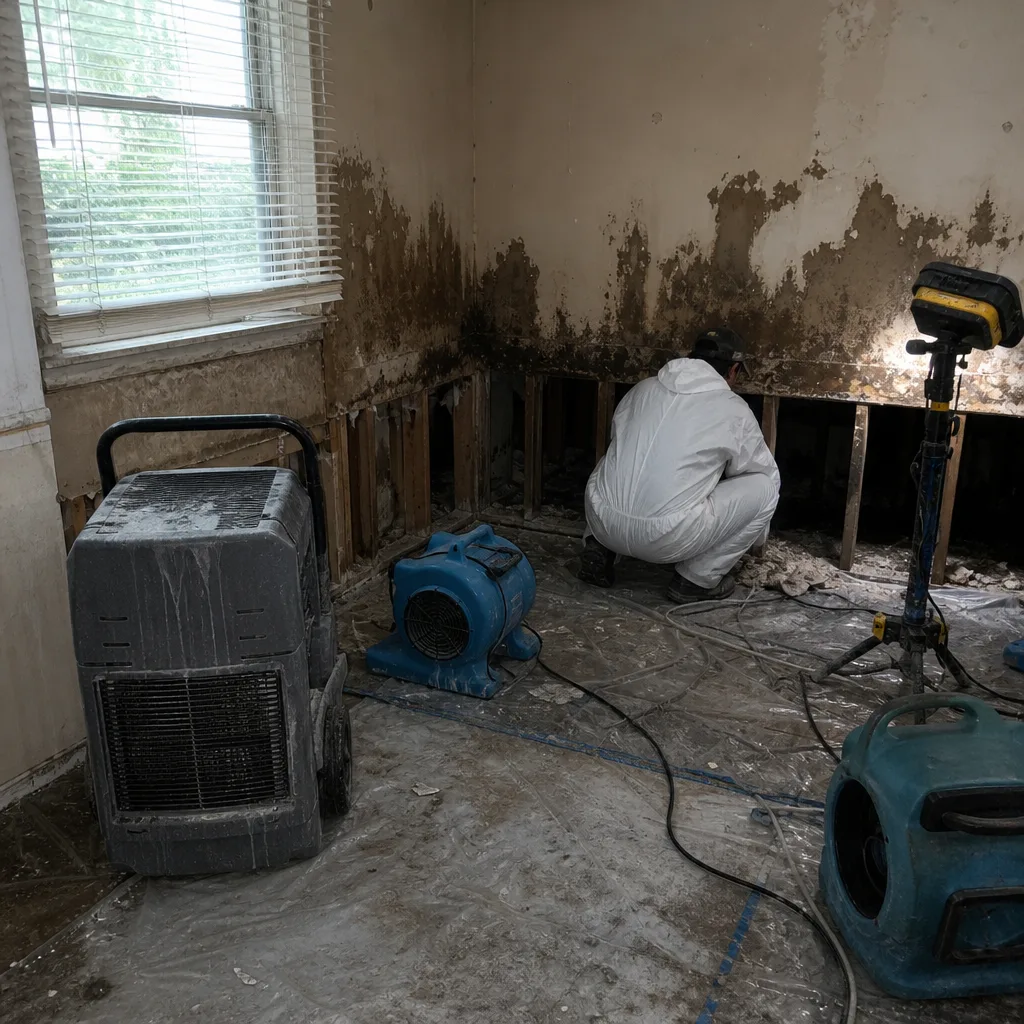 Before
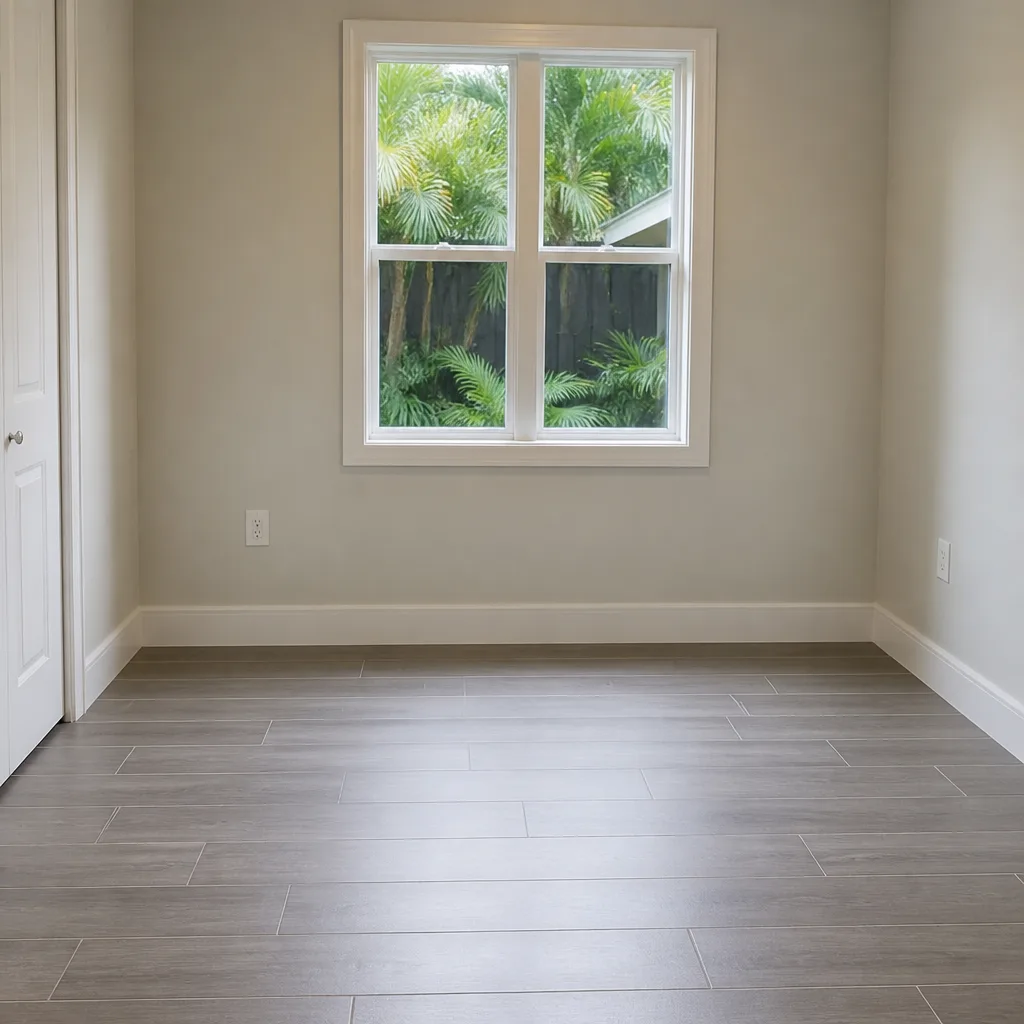 After
After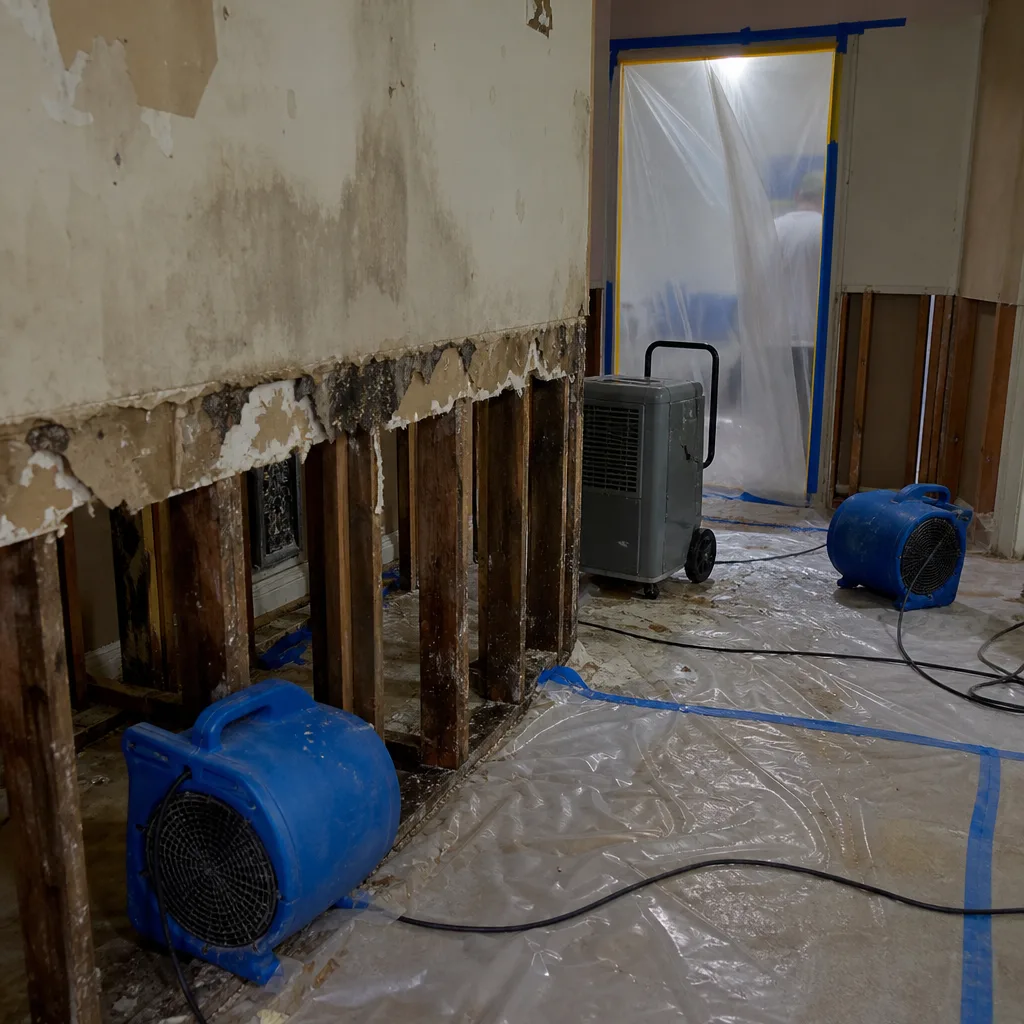 Before
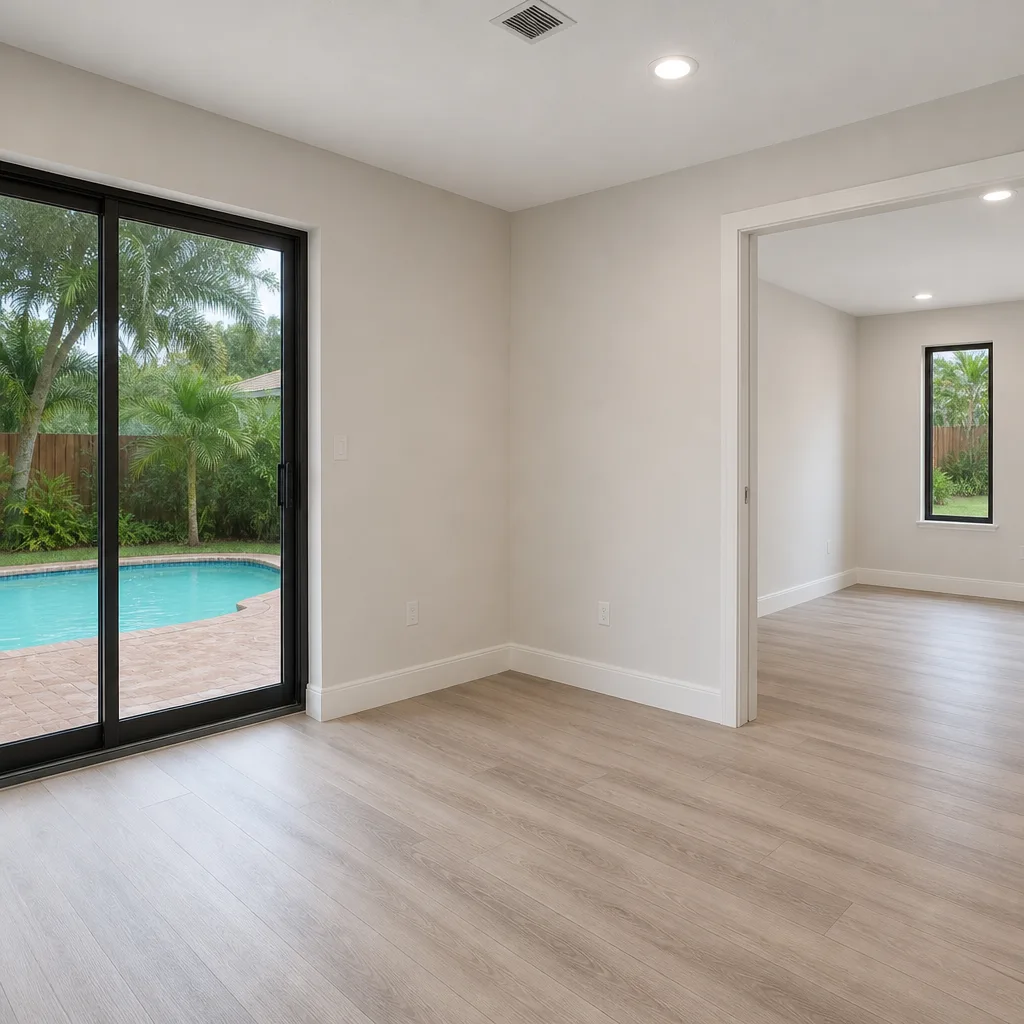 After
After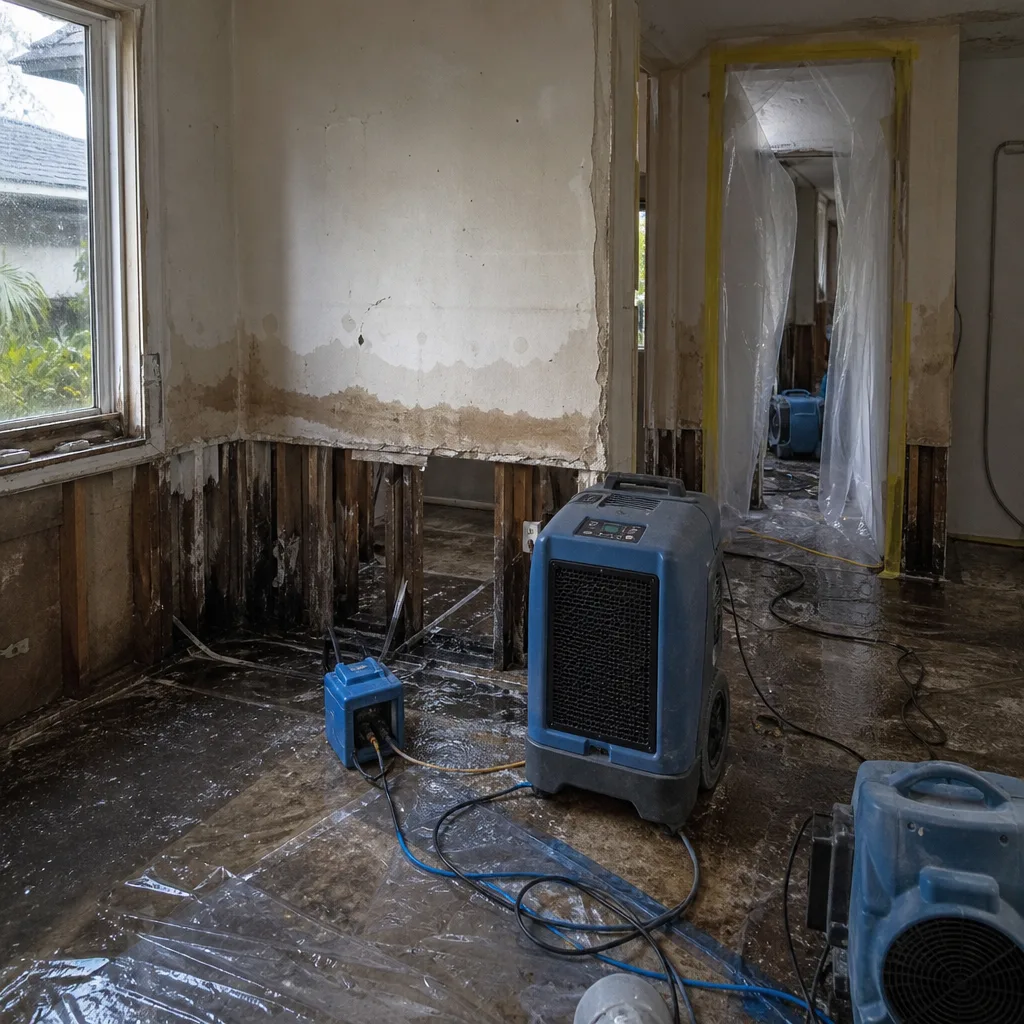 Before
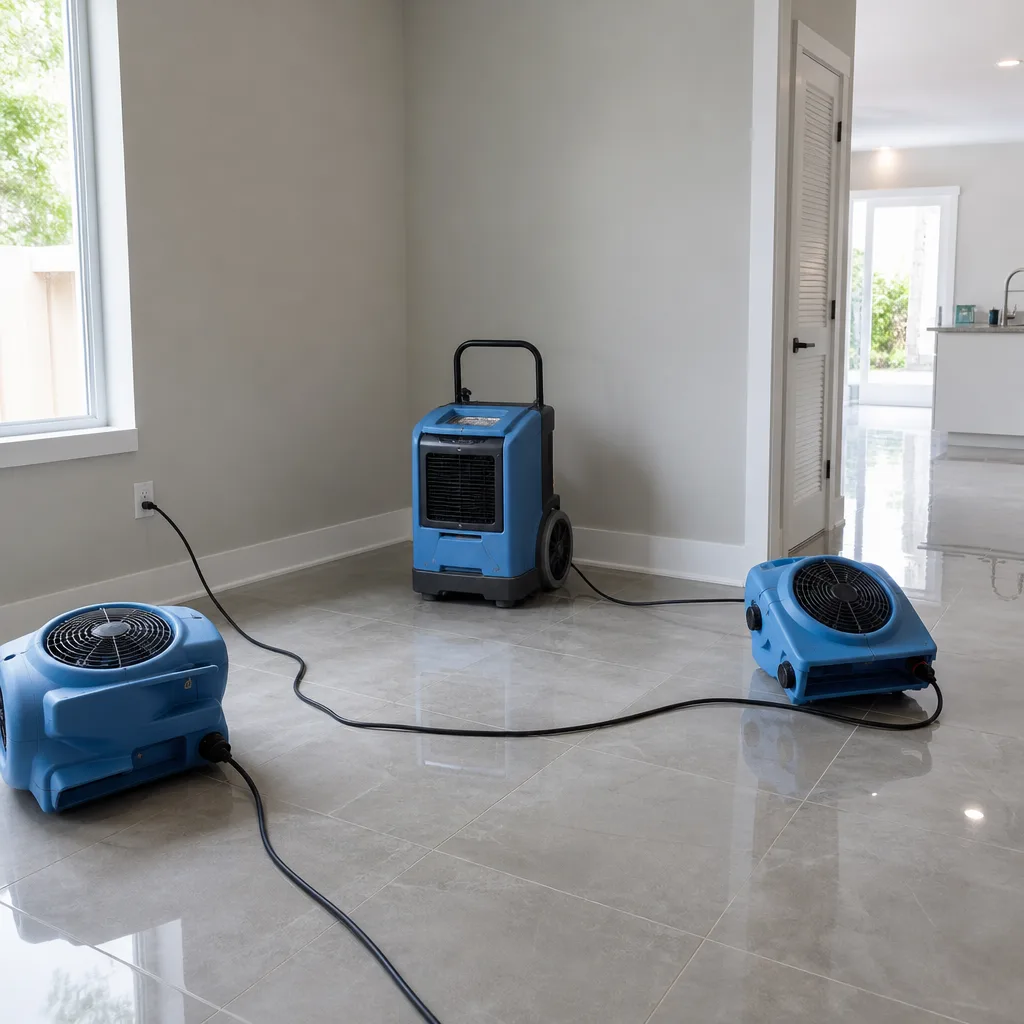 After
AfterHow Much Does Mold Remediation Cost in Miami?
Mold remediation in Miami typically costs between $1,800 and $6,500 for most residential jobs, with the average homeowner paying around $3,200. Small contained outbreaks, like a bathroom ceiling patch, can run as low as $500 to $900, while whole-attic or multi-room remediation after a roof leak can exceed $12,000. The final number depends on square footage affected, where the mold is growing, how deep it has penetrated, and whether the water source that caused it is still active.
At Marsh Water Damage Miami, we put a written price in front of you before any work starts. Not an estimate that balloons after the drywall comes down. A price. Call (689) 888-7601 for a free inspection and a number you can plan around.
Mold Remediation Cost Breakdown (2026)
Here is what Miami homeowners actually pay in 2026, based on the scope of the job. These ranges reflect local labor rates, material costs, and the humidity challenges unique to South Florida construction.
| Job Scope | Typical Miami Price Range | What It Includes |
|---|---|---|
| Inspection & Testing Only | $250 – $600 | Visual assessment, moisture meter readings, air or surface sampling if needed. We waive this fee when you hire us for remediation. |
| Small Containment (under 10 sq ft) | $500 – $1,400 | Bathroom ceiling, window sill, a closet wall. HEPA vacuuming, antimicrobial treatment, surface cleaning. |
| Medium Containment (10 – 50 sq ft) | $1,500 – $4,500 | A bedroom wall, hallway, laundry area. Full containment, HEPA air scrubbing, removal of affected drywall, treatment, and rebuild prep. |
| Large Containment (50 – 150 sq ft) | $4,500 – $9,000 | Multiple rooms, crawlspace, or a garage. Negative air pressure, full PPE protocol, structural drying, antimicrobial application, and disposal. |
| Whole-Home or Attic Remediation | $9,000 – $18,000+ | Extensive growth from flooding, roof leaks, or long-term humidity. Multiple containment zones, full material removal, drying, treatment, and often HVAC cleaning. |
| HVAC / Duct Mold Treatment | $800 – $2,800 | Inspection, coil and duct cleaning, antimicrobial fogging where appropriate, and filter replacement. |
What moves a job from the low end to the high end? The biggest driver is penetration. Surface mold on painted drywall can sometimes be cleaned. Mold that has grown into the drywall core, behind baseboards, or inside wall cavities requires removal and replacement, which adds labor, disposal fees, and rebuild work. The second driver is location. Attic mold in a Miami summer is a harder job than a bathroom spot repair. Crews are working in 120-degree heat with respirators, and that slows everything down.
A third factor people do not expect: disposal. Miami-Dade has specific waste handling rules for mold-contaminated materials. Contaminated drywall and insulation cannot go in the regular dumpster. Licensed haulers charge by weight and trip count, and that line item shows up on every legitimate quote. If a contractor gives you a quote without a disposal line, ask where the debris is going.
What Affects Mold Remediation Pricing in Miami
- Square footage of visible growth. This is the starting point for every estimate. Under 10 square feet is considered a small job by industry standards (IICRC S520). Over 100 square feet changes the containment protocol entirely, requiring negative air machines and full plastic barriers.
- Hidden mold behind walls or under flooring. Miami homes built after 2000 often have drywall over metal studs, but older homes in Coconut Grove, Shenandoah, and the Roads have plaster over wood lath, which holds moisture differently and costs more to remediate properly. If moisture meter readings suggest water trapped in a cavity, we open the wall. That changes the price, and we tell you before we cut.
- Height and access. Attic mold, high ceilings, and crawlspace work all cost more. A crawlspace under a 1920s Coral Gables bungalow means working on your stomach in damp soil. A two-story foyer ceiling needs scaffolding. Both are safe, standard jobs, but they take more time and equipment.
- The water source. If the mold was caused by a one-time event, like a water heater failure, the scope is usually contained. If there is an ongoing roof leak, a plumbing drip behind a shower wall, or condensation from an undersized AC duct, the mold will return unless that source is fixed. Remediation without fixing the source is just cleaning. We check for active moisture on every job and tell you if a plumber or roofer needs to be called before we finish.
- Lab testing and clearance. Some Miami homeowners want pre-remediation testing to identify the specific mold type, and post-remediation clearance to prove the air is clean. Each lab test runs $150 to $400 per sample, with most jobs using two to four samples. It is optional, but for people with respiratory conditions, infants, or compromised immune systems, it is worth the money.
- Rebuild and cosmetic repairs. Remediation removes the contaminated material. It does not automatically include new drywall, paint, or tile. Some companies, including Marsh Water Damage Miami, can handle the rebuild as part of the scope. If you are comparing quotes, check whether the number includes making the wall look like a wall again or just removing the bad part.
Mold Remediation vs. Mold Removal: Know the Difference
You will hear two terms used: Mold Removal and Mold Remediation. They are not the same thing, and the difference matters for your wallet.
Mold removal is a surface job. Someone scrubs the visible mold with a cleaning agent, maybe sprays a sealant, and calls it done. It costs less, usually $300 to $1,200, and it is the right call for very small, superficial patches on non-porous surfaces like tile or glass. The problem is that mold on drywall, wood, or insulation does not just sit on the surface. Its roots, called hyphae, grow into the material. Wiping the surface kills what you see and leaves the rest alive underneath.
Mold remediation is the full protocol, defined by the IICRC S520 standard. It means containing the affected area under negative air pressure, removing contaminated materials, treating the remaining structure with antimicrobial agents, drying the space thoroughly, and verifying with moisture meter readings. When people ask what mold remediation costs in Miami, this is what they are actually asking about, whether they know it or not.
Our technicians hold IICRC, RIA, and IFA credentials, and they follow the S520 standard on every job, from a bathroom ceiling in Little Havana to a flooded garage in Kendall. If a contractor cannot tell you what standard they follow, keep looking.
How to Save on Mold Remediation
You should not try to save money by cutting corners on mold. That said, there are legitimate ways to keep the scope, and therefore the price, under control.
- Act fast. The longer mold grows, the larger the affected area becomes. A $900 spot that gets ignored for six months can become a $4,000 containment job. This is the single biggest money saver: call at the first sign of staining or musty odor.
- Stop the water first. If you can see or hear a leak, shut off the water supply to that fixture. If it is a roof leak, tarp it if you can do so safely. Every day the water continues, the remediation scope grows.
- Do not paint over it. Kilz and other stain-blocking paints do not kill mold. They trap moisture behind the coating, and the mold keeps growing underneath. You will pay for remediation later, plus the cost of removing the paint you just added.
- Get a written, line-item price. Vague quotes hide a lot. Ask for the containment size, the number of air scrubbers, the disposal line, and whether rebuild is included. A detailed quote lets you compare apples to apples and it protects you from mid-job surprises.
- Use a company that does not charge for inspections. We provide free estimates in the Miami market. You get a written scope and a number before you commit to anything.
What Happens During a Mold Remediation Job?
Here is the step-by-step process we follow on every mold job in Miami, from the first call to the final walk-through. It matches the industry standard and gives you a clear picture of what your money is buying.
- Phone call and scheduling. A live person answers, 24/7. We ask about the moisture event, how long the mold has been present, and any health symptoms you have noticed. We schedule a free inspection at a time that works for you.
- Threshold Verified arrival. Before we show up, you receive the technician’s name and photo by text or email. The tech arrives in uniform and shows a photo ID badge at the door. Every visit. No exceptions. You know exactly who is walking into your home before the knock.
- Inspection and moisture mapping. The technician uses a thermal imaging camera and moisture meter to find water that is not visible. This step matters because mold follows moisture. If we miss a damp wall cavity, the mold comes back. We take psychrometric readings, measuring the moisture in the air and materials, to map the full extent of the problem.
- Written scope and price. Before any work begins, you get a written document showing the containment area, the materials to be removed, the equipment we will deploy, the disposal plan, and the total price. You approve it. We do not start demo without that signature.
- Containment setup. We seal the affected area with plastic sheeting and set up negative air pressure with HEPA-filtered air scrubbers. This prevents mold spores from drifting into your living room, bedroom, and kitchen during the work. If a contractor does not set up containment, they are not doing remediation, they are spreading spores.
- Material removal and treatment. Contaminated drywall, insulation, carpet, or cabinetry is cut out and bagged inside the containment zone. The remaining structure is treated with antimicrobial agents, and affected wood framing is cleaned and dried.
- Structural drying. We install commercial drying equipment from Dri-Eaz, Phoenix, XPOWER, B-Air, and Injectidry. These are the same machines used on large commercial losses. The goal is not just surface dryness; we take readings until the moisture content in the framing is back to normal for Miami’s ambient conditions.
- Clearance and verification. We take final moisture readings and, if you opted for lab testing, collect air samples for analysis. You get a written report showing the job is complete and the area is dry.
- Rebuild, if included in your scope. If your quote includes repairs, we replace the drywall, texture, and paint so the room looks like the event never happened.
- The 365-Day Done Right Promise. Every job comes with our written guarantee. If the mold returns or the repair fails within a full year, we come back and fix it. Free second visit included. It is not a marketing line, it is printed on every work order we hand a customer.
Why Miami Mold Is a Different Beast
Miami has a mold problem that most of the country does not understand. The city sits at the edge of the Everglades, with average relative humidity above 70 percent for most of the year. The dew point rarely drops below 60 degrees, even in January. That means the conditions mold needs to grow, warmth, moisture, and organic material, are present in Miami homes almost year-round.
We see specific patterns in different neighborhoods. In older homes in Shenandoah, Buena Vista, and the Upper East Side, the biggest culprits are old plumbing, flat roofs, and window units that let condensation into the wall. In newer construction in Doral, West Kendall, and Homestead, the issue is often HVAC-related: ducts that were not sized correctly, air handlers sweating in hot garages, or AC drain lines clogging and backing up into the ceiling. In coastal areas like Key Biscayne and Coconut Grove, salt air accelerates corrosion on AC coils and roof flashing, which leads to slow leaks that homeowners do not notice until mold shows up on a ceiling.
One thing we tell every Miami homeowner: your AC is your first line of defense. A properly functioning air conditioner does not just cool the air, it removes moisture. If your AC is short cycling, if the drain pan is full of water, or if you have turned the system off while away for the summer, the indoor humidity climbs fast. Mold can begin growing on drywall within 48 to 72 hours of a moisture event at Miami temperatures.
When Is Mold Covered by Insurance?
The short answer: mold remediation is covered by your homeowners insurance only if the mold was caused by a covered peril, like a sudden pipe burst, a water heater failure, or storm damage. It is generally not covered if the mold resulted from long-term neglect, a slow leak that went unaddressed for months, or unresolved humidity problems.
Most Florida homeowners policies have a mold coverage sub-limit, often between $10,000 and $25,000, even when the cause is covered. That sub-limit includes the cost of remediation, testing, and in some cases the rebuild. We have worked with hundreds of insurance claims in Miami, and the pattern is consistent: documentation wins claims. Photos, moisture readings, a written scope, and a clear timeline help your adjuster approve the work.
We can help you through the claims process, and we give honest guidance about whether filing makes sense. If your remediation estimate is $2,800 and your deductible is $2,500, filing a claim may not be worth the rate increase. We will tell you that. Our job is to fix the mold, not to sell you a claim you do not need.
Is It Cheaper to Repair or Replace?
For drywall, the answer is almost always: remove and replace. Attempting to clean mold off porous drywall is a losing game. The mold hyphae penetrate the gypsum core and the paper backing. Even after surface cleaning, the spores remain embedded, and the first humid week in Miami brings it right back. Cutting out the affected drywall and replacing it is typically $3 to $6 per square foot for material and labor, which is cheaper than doing partial remediation twice.
For structural wood, the calculation is different. Framing lumber that is stained but structurally sound can be sanded or media-blasted, treated with antimicrobial agents, and sealed. Replacing studs is only necessary when the wood is so deteriorated that it has lost its structural integrity, which is rare in most residential mold cases. If a contractor tells you all your studs need to be replaced, ask to see the moisture readings and the structural assessment.
For insulation, fabric, carpet, and upholstered furniture, replacement is typically the only safe option. These materials cannot be effectively remediated once mold has colonized them.
FAQs – Mold Remediation Cost
Is it cheaper to repair or replace moldy drywall?
No. Removing and replacing moldy drywall costs $3 to $6 per square foot in Miami, while cleaning attempts typically fail within a year and end up costing more once you factor in the second remediation and the rebuild. Mold penetrates the porous gypsum core, so surface cleaning leaves spores alive and ready to regrow.
Call (689) 888-7601 and we will give you an honest assessment of whether your drywall can be saved. In most Miami cases, it cannot, and we will tell you that upfront.
How much does attic mold removal cost in Miami?
Attic mold remediation in Miami typically runs $3,500 to $9,500, depending on the size of the attic and the extent of the growth. Attics are particularly vulnerable in Miami because of hot, humid air and roof leaks. The job is physically demanding, which means crews work in short rotations with full PPE, and that labor cost shows up in the price.
We serve every Miami neighborhood, from Kendall to Miami Gardens. Call (689) 888-7601 for an attic-specific quote with a written price.
Can you come today?
Yes. We handle emergency mold calls in Miami every day, and we keep our schedule open for urgent cases. A live person answers the phone 24 hours a day, including weekends and holidays. If mold is spreading, or if you have a water leak that is actively feeding the growth, call (689) 888-7601 and we will get a technician to you the same day in most cases.
How much does a mold inspection cost in Miami, FL?
A standalone Mold Inspection & Testing in Miami runs $250 to $600, depending on whether lab testing is included. At Marsh Water Damage Miami, the inspection is free when you hire us for the remediation. We include thermal imaging, moisture mapping, and a written scope with every free estimate, so you know exactly what you are dealing with before you spend a dollar.
Is mold remediation covered by homeowners insurance in Florida?
Yes, in many cases, if the mold resulted from a covered peril such as a sudden pipe break, a water heater failure, or storm damage. Most policies carry a mold sub-limit of $10,000 to $25,000. Gradual leaks and long-term humidity issues are typically excluded. We can help you document the loss properly and work with your adjuster to maximize your approved claim.
How long does mold remediation take?
Most Miami mold remediation jobs take 2 to 5 days from containment to final clearance. A small bathroom job can be done in a day. A whole-attic or multi-room job can take a week or more, especially if structural drying is needed before rebuild can begin. We give you a timeline in writing along with the price, and we stick to it.
Key Takeaways
- Mold remediation in Miami costs $1,800 to $6,500 for most residential jobs in 2026.
- Small, contained jobs can run as low as $500. Whole-home or attic jobs can exceed $12,000.
- The biggest cost drivers are square footage, penetration depth, location of the mold, and whether the water source has been stopped.
- Mold removal and mold remediation are different. Remediation follows the IICRC S520 standard and includes containment, removal, treatment, and drying verification.
- Attic and crawlspace work costs more because of access difficulty and heat.
- Acting fast is the single best way to keep the price down. Mold doubles its affected area quickly in Miami’s humidity.
- Marsh Water Damage Miami gives you a written price before work starts, a written guarantee, and a 365-Day Done Right Promise on every job.
Cities We Serve in Miami-Dade County
We provide mold remediation throughout Miami-Dade, including Coconut Grove, Coral Gables, Kendall, Doral, Hialeah, Homestead, Miami Beach, North Miami, Miami Gardens, Pinecrest, Palmetto Bay, Cutler Bay, and the Upper East Side. If you are anywhere in the county and you have visible mold, a musty smell, or water damage you are not sure about, call us. A live person answers. You will get a straight answer and a free estimate.
Get Your Free Miami Mold Remediation Estimate
Mold does not wait, and neither should you. Every day of delay in Miami’s climate means more square footage, more material removal, and a higher final bill. Call (689) 888-7601 now and talk to a real person, 24/7. We will schedule a free inspection, send you the technician’s name and photo before they arrive, and hand you a written price before any work begins. That is how we do every job, from a one-room cleanup to a whole-home remediation.
If you are still researching, start with our home page for an overview of our services, or read more about our Mold Remediation in Miami process and standards. When you are ready to talk numbers, we are here.
Written by Tobias Reyner, Owner at Marsh Water Damage Miami, serving Miami, FL since 2005.
Pricing reflects the Miami market as of 2026. Marsh Water Damage Miami offers free estimates – call (689) 888-7601.
What Our Customers Say
"Dishwasher leak had gone under the kitchen floor. They found it with a thermal camera and dried it without ripping up everything."
- Helen B."Mold test came back clean after their drying. Peace of mind for us."
- Lydia F."Basement seepage after a storm. They pumped it out, treated for mold spores, and installed a dehumidifier for the week. Smell is gone."
- Walter D.