

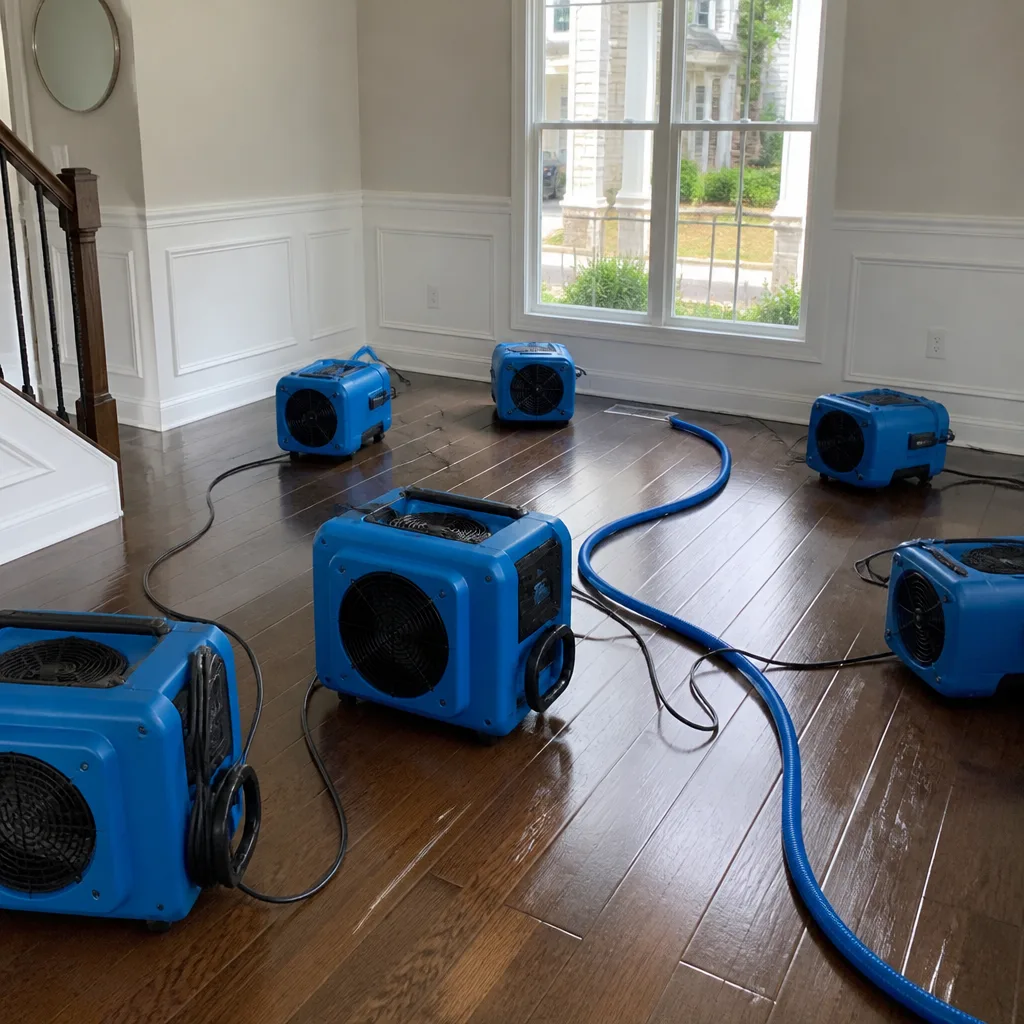
 Water damage drying
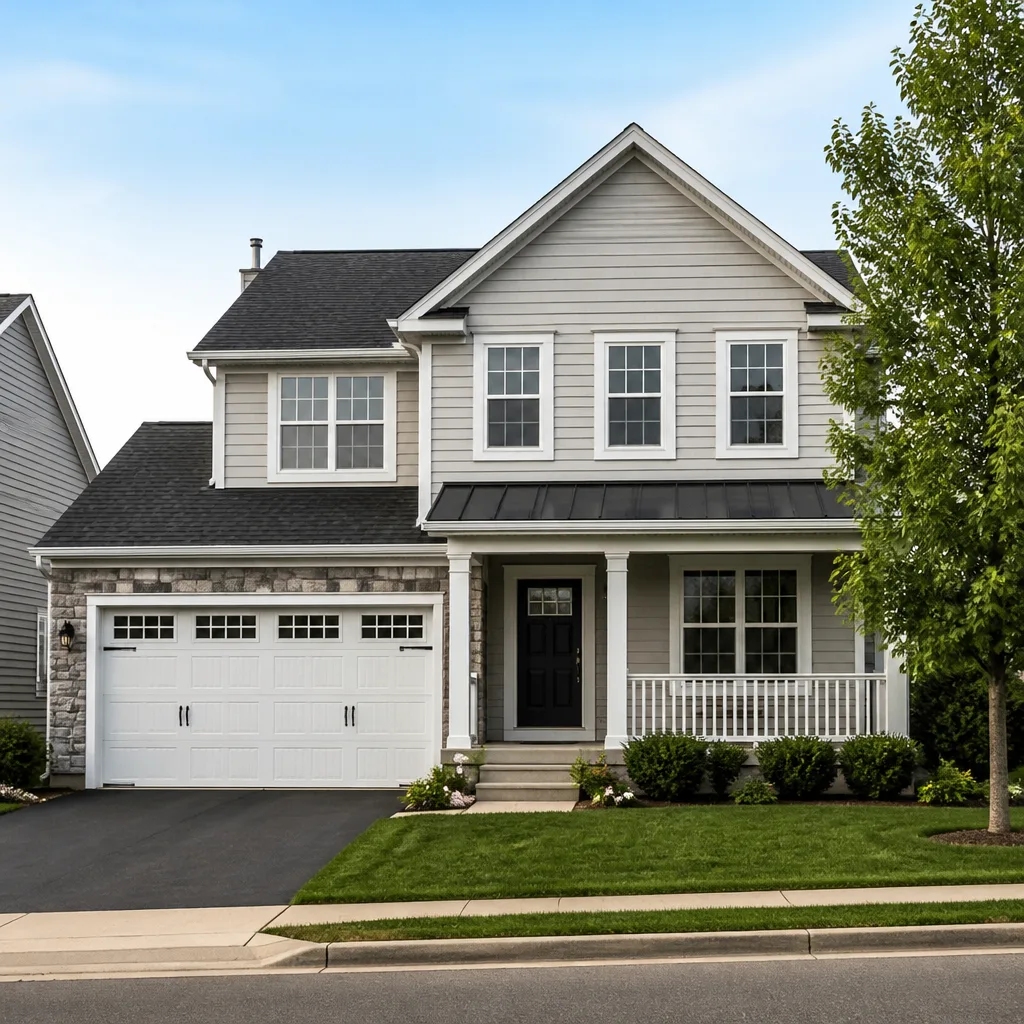 Fire & smoke cleanup
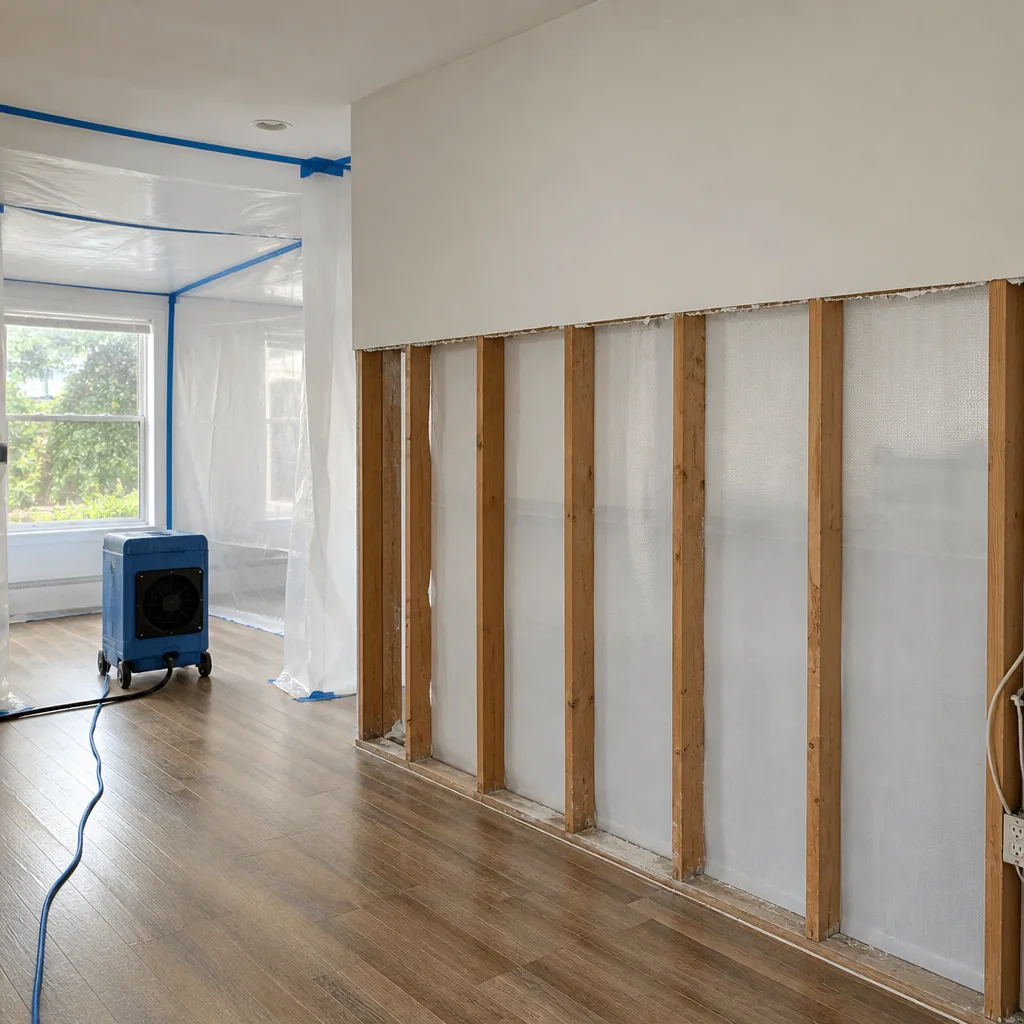 Mold remediation
 Storm response
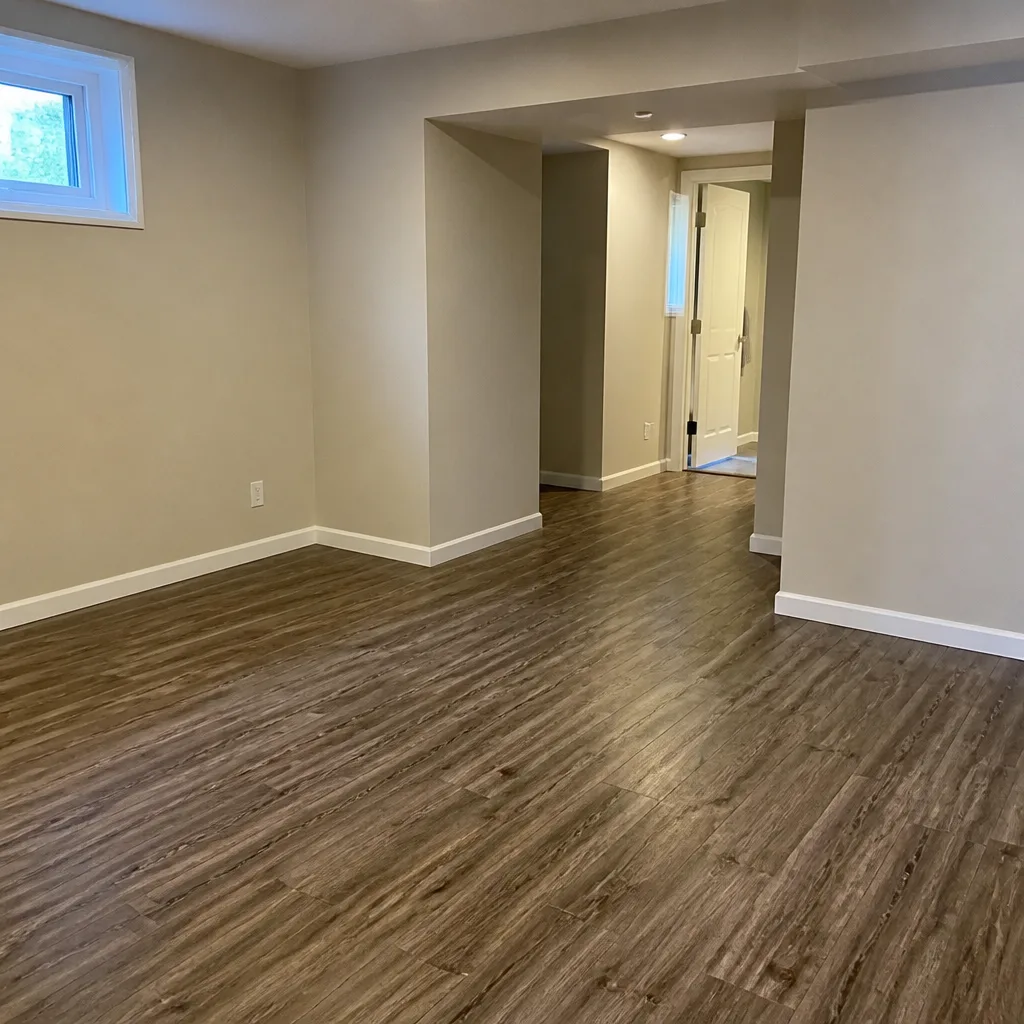 Sewage cleanup
 Reconstruction
Free visual inspection and a written scope of work before any mitigation begins - photos, moisture readings, and drying logs go in your claim file
The scope we write is the scope we bill. Anything new gets shown to you, in writing, before we touch it.
Get your free estimateFast, Reliable Water Damage Restoration Across Pinewood
Water damage in Pinewood moves fast, especially during the summer thunderstorm months. A roof leak or window flashing failure can soak drywall, wick into closet framing, and start growing mold within 24 to 48 hours in this subtropical air. We’re Marsh Water Damage Miami, and we’ve been restoring homes in Pinewood since 2005 as part of the Threshold Group family. When you call (689) 888-7601, a live person answers, day or night, and we’ll get a crew to your street quickly. You’ll know who’s coming before they knock.
Why Marsh Water Damage Miami Is Pinewood’s Preferred Water Damage Restoration Company
Pinewood homeowners keep our number saved on their phones for a reason. Our teams know the 1950s-to-1970s concrete-block homes here, the flat roofs that pond water after Pinewood’s afternoon downpours, and the west-facing stucco walls that hide moisture behind what looks like a dry surface. Tobias Reyner, who leads our restoration crews, insists on the same standard for every visit: a background-checked, identity-verified technician sent to you by name and photo before arrival, then a photo ID badge shown at your door. No exceptions.
Our Water Damage Restoration team works with Dri-Eaz, Phoenix, and XPOWER equipment, operated by technicians credentialed through IICRC, RIA, and IFA. That means commercial-grade drying and extraction gear on residential jobs in Pinewood, not rented box fans. The 365-Day Done Right Promise is printed on every work order we leave here. If the repair isn’t right within a full year, we come back and make it right, free second visit included.
Restoration work we handle
Water Damage Cleanup in Pinewood
Water Damage Cleanup in Pinewood means more than mopping up standing water. It’s the full process of extracting water, removing saturated materials, setting up drying equipment, and documenting everything for your insurance claim. You need it after a burst supply line, a roof leak that soaked a ceiling, or storm water that found its way under a door. Most residential water extractions in Pinewood run between $1,200 and $3,500 before drying equipment is set, with smaller isolated leaks starting around $600. We give you a written price before any work begins, not after demo starts.
Extraction and containment
We pull standing water with truck-mounted extractors, then set containment barriers to keep moisture from migrating into dry rooms. In Pinewood’s humid air, that containment step matters more than it does inland because damp air travels through a house fast.
Sanitizing and deodorizing
After the water is out, we treat affected surfaces to prevent the musty, earthy smell that settles into closets and carpet pads. This step is especially important in Pinewood homes where stucco wicking can leave hidden moisture in wall cavities.
Emergency Water Damage Restoration in Pinewood
Emergency Water Damage Restoration in Pinewood is what happens when water is actively entering your home and you need it stopped now. That’s a supply line that let go at 3 a.m., a ceiling that collapsed into the living room, or thunderstorm water pouring through a failed window flashing. You call (689) 888-7601, a live person answers, and a crew is dispatched immediately, not routed through a callback queue. Emergency extraction in Pinewood typically runs $1,800 to $4,200 for a standard single-room loss, and $4,000 to $7,500 when multiple rooms or flooring removal are involved. We start with a written price.
Stop the source, fast
Shutting off the water is step one. Then we move contents out of the path, extract what’s pooled, and open up walls and flooring as needed to find hidden saturation. In Pinewood’s concrete-block homes, that often means drilling weep points into baseboards and pulling saturated insulation from between furring strips.
Drying that goes below the surface
We place Dri-Eaz and Phoenix air movers and dehumidifiers, then take psychrometric readings, which measure moisture in the air and materials, every day until the structure is genuinely dry, not just dry on the surface. Pinewood’s ambient humidity fights you the whole way, which is why leaving this to box fans doesn’t work here.
Trusted Brands We Service in Pinewood
Most Pinewood homes were built with copper supply lines and cast-iron drains, but renovations through the decades mean we now see a mix of PVC, CPVC, and PEX. No matter what’s in your walls, our techs diagnose the leak and the damage with the same process every time. We stock common fittings, valves, and connectors for the systems found in Pinewood homes, which means faster repairs when an emergency hits your street. If your insurance adjuster asks for brand-specific documentation, we provide it without you having to chase it down.
See the difference
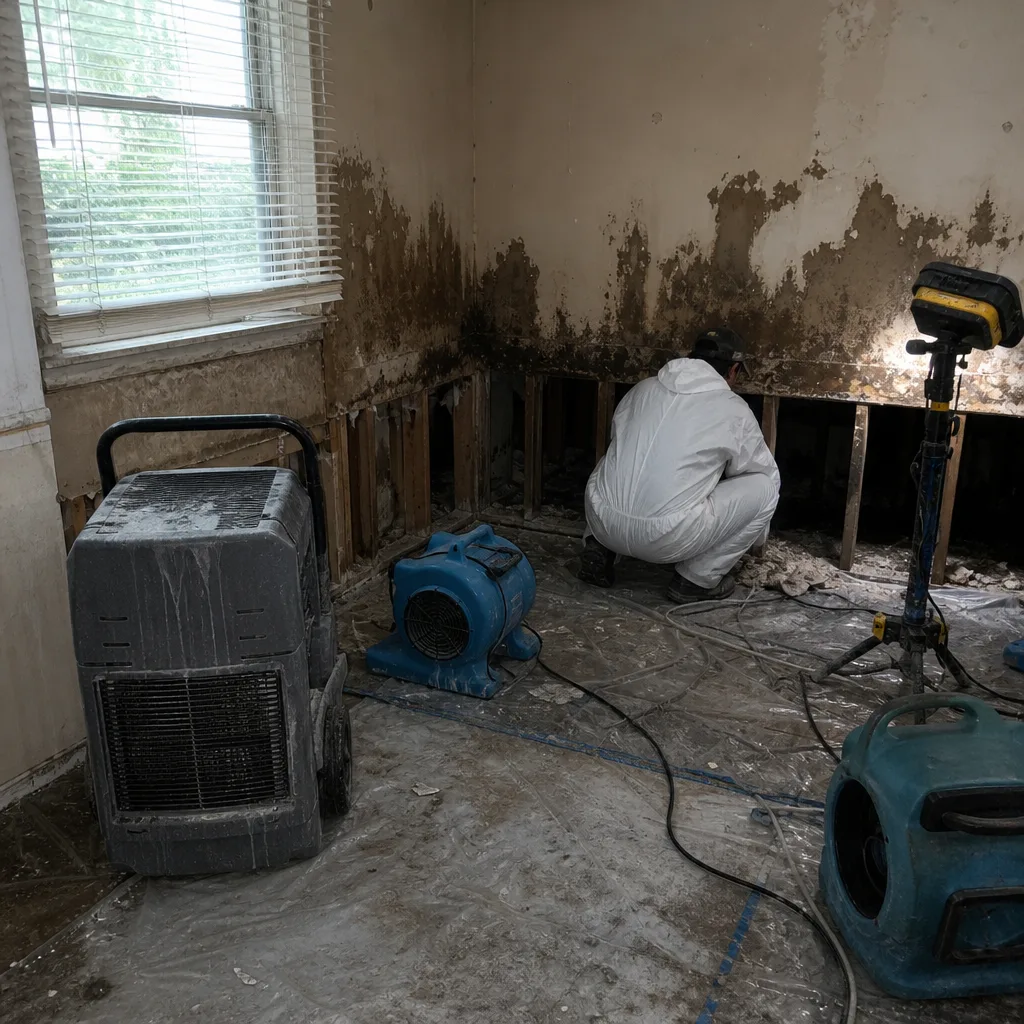 Before
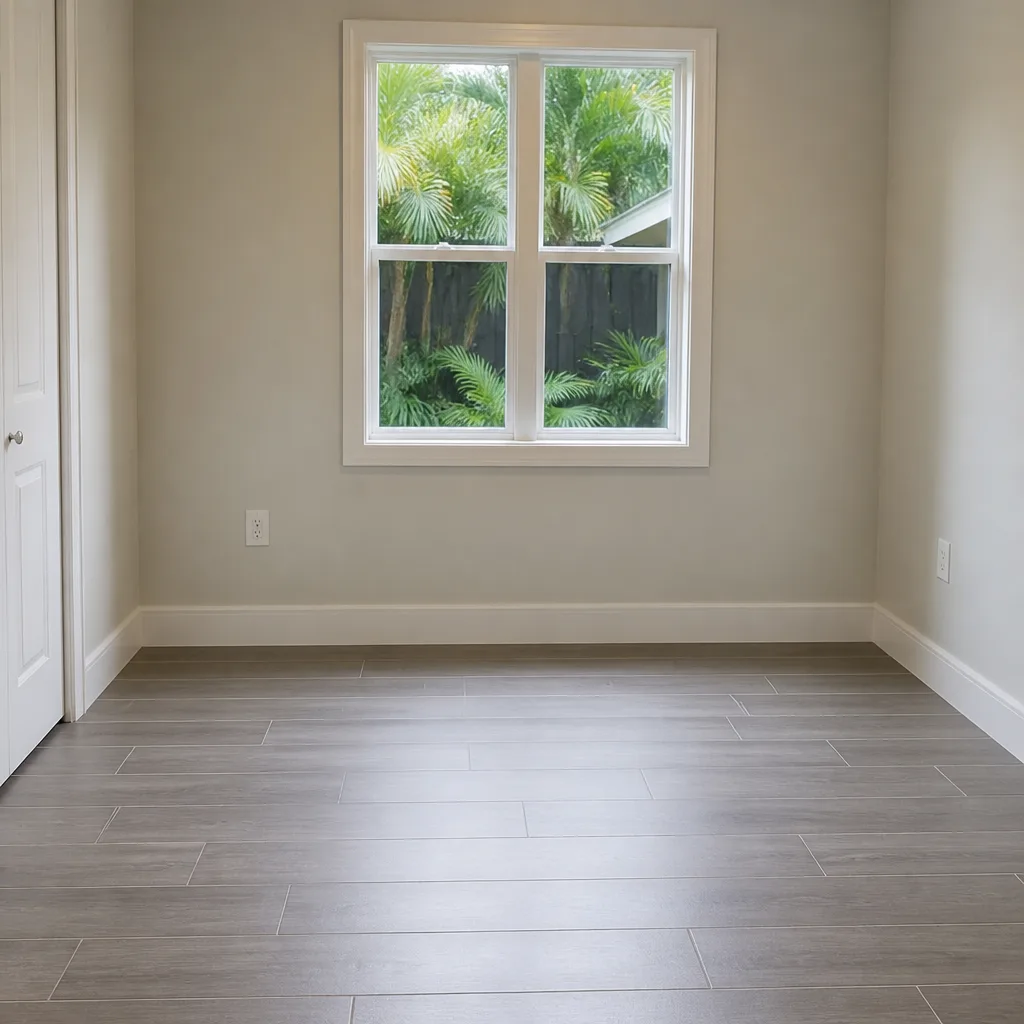 After
After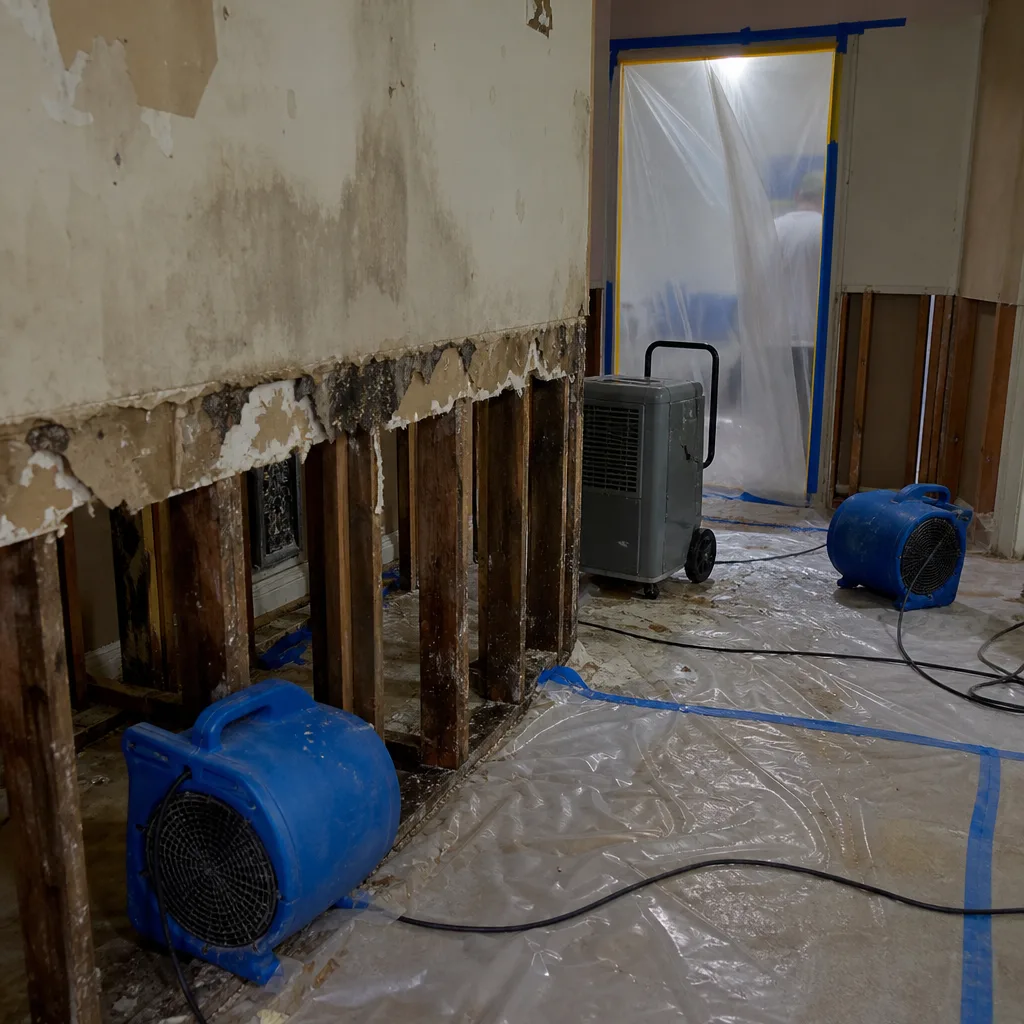 Before
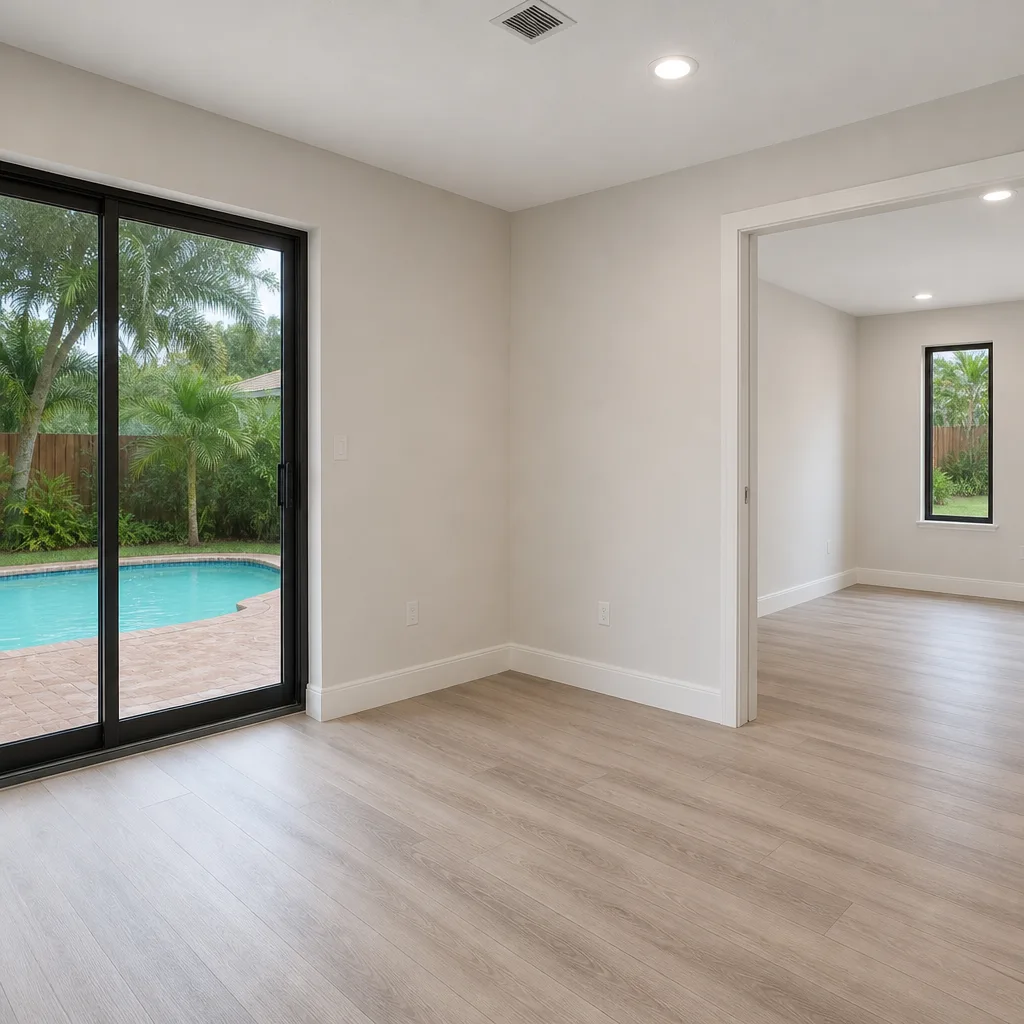 After
After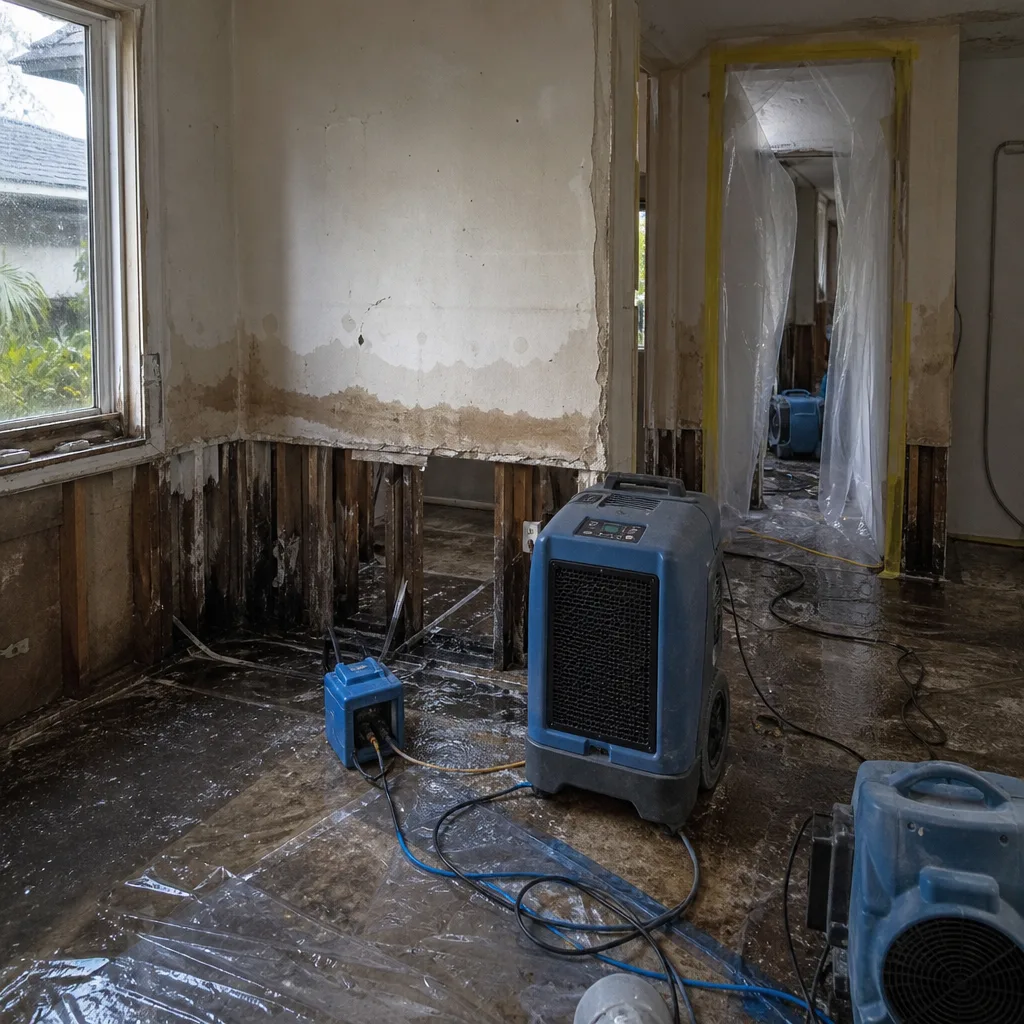 Before
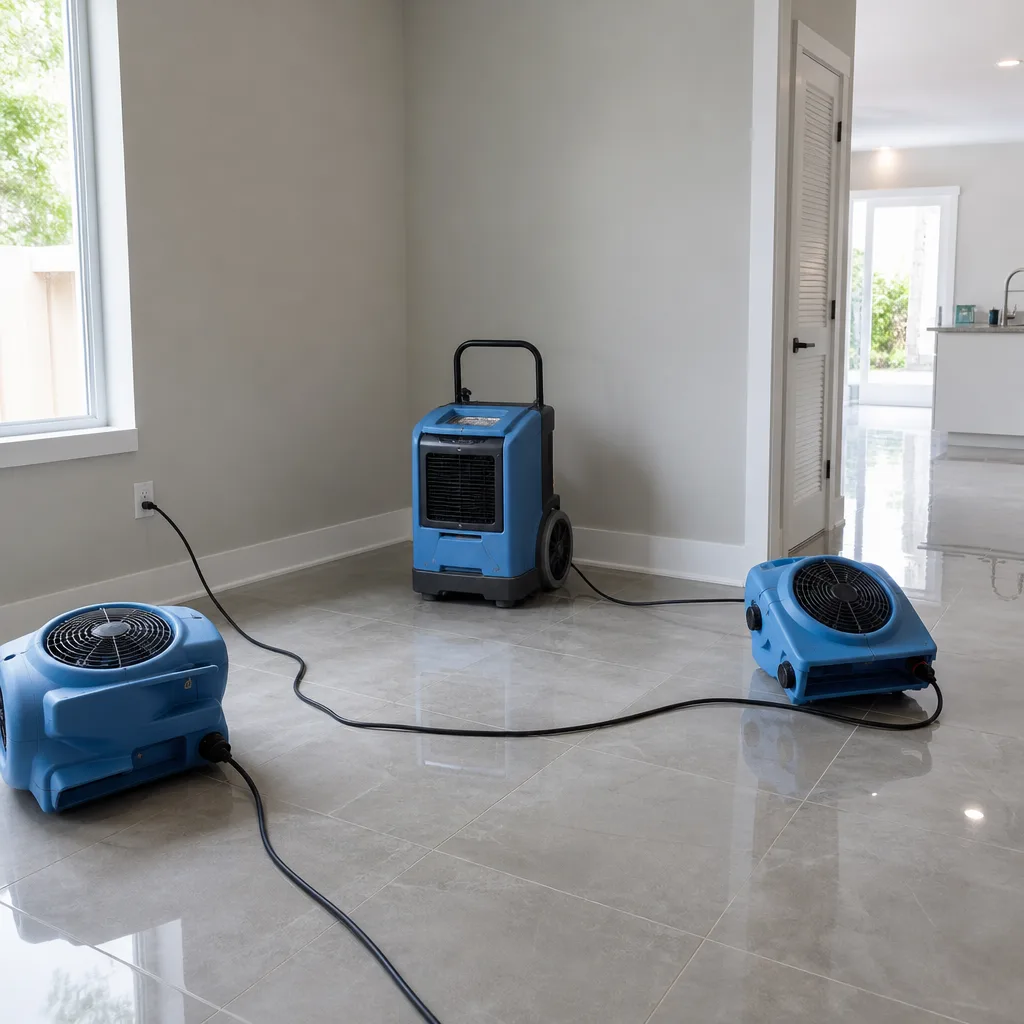 After
AfterCommon Water Damage Restoration Problems We See in Pinewood Homes
- Stucco wicking on west-facing walls. Afternoon thunderstorms drive rain against the west side of the house, and stucco without proper weep screeds absorbs that water. The surface dries, but moisture migrates into wall cavities and shows up first as a musty smell in closets.
- Flat roof scuppers clogged with pine needles. Pinewood has plenty of pine trees, and their needles wash into roof drains during storms. A clogged scupper backs water up under the roofing membrane and into the concrete-block walls below.
- Corroded window flashing on 1950s aluminum frames. Salt air from Biscayne Bay eats at single-pane aluminum window frames over decades. When the flashing fails, wind-driven rain seeps into the wall cavity and pools at the sill, hidden behind drywall.
- High humidity slowing down drying. Even after extraction, Pinewood’s ambient moisture makes natural drying nearly impossible. Without commercial dehumidifiers running continuously, materials stay damp long enough for mold to start.
Pricing for Water Damage Restoration in Pinewood, FL
What you pay in Pinewood depends on how much water, how far it traveled, and what materials it soaked. Here are real ranges from our work in this area:
- Water extraction only (single room, no structural opening): $600 – $1,200
- Water damage cleanup with drying equipment: $1,800 – $3,500
- Emergency full-room restoration including drywall removal: $3,500 – $6,000
- Multi-room flood cleanup with flooring removal: $5,000 – $9,000
The exact number depends on square footage, how long the water sat, and whether mold is already present. You’ll get a written price before we start, and that price doesn’t balloon after demo begins. Call (689) 888-7601 for a free estimate, and we’ll walk you through exactly what to expect.
We also keep a detailed photo record of every step for your insurance documentation. When your adjuster asks what was wet and what we did about it, you hand them a file, not a phone call.
We Also Serve Cities Near Pinewood
Our crews work throughout the surrounding area. You’ll find us in Miami, Miami Beach, Hialeah, and North Miami, wherever water is where it shouldn’t be. If you’re near Pinewood and need Water Damage Restoration in Pinewood, call us and we’ll confirm your location and get a crew moving. Dispatch and scheduling are coordinated from the brand’s Miami office, with crews serving Pinewood locally.
Serving Pinewood, FL - Our Local Coverage Area
We’re based in the Pinewood area and know this community well. Use the map below to see our service coverage - if you’re nearby, we can almost certainly help.
FAQs About Water Damage Restoration in Pinewood
Because afternoon thunderstorms push rain against west-facing stucco walls, and when those walls lack proper weep screeds, the water wicks into the wall cavity and migrates toward interior spaces like closets. The drywall surface looks fine, but the framing behind it stays damp, and that trapped moisture produces the musty odor you smell long before a stain appears. Our moisture mapping finds exactly where that hidden water is, so we can dry the cavity without tearing out drywall that doesn’t need to go. If you smell must in a closet, don’t wait for a stain. Call (689) 888-7601 and we’ll find the source.
You have roughly 24 to 48 hours before mold starts to colonize on wet drywall, framing, and carpet in Pinewood’s subtropical humidity. After 48 hours, the risk climbs sharply, and what could have been a $1,500 cleanup turns into a $5,000 mold remediation. The sooner you call, the more we can dry in place instead of remove.
Category 1 is clean water from a supply line or fixture, Category 2 is contaminated water from appliances or sump overflow, and Category 3 is grossly contaminated water from sewage, storm surge, or standing water that has picked up bacteria. In Pinewood, most thunderstorm-driven intrusions start as Category 1 but degrade to Category 2 if the water sits for more than a day. We test and document the category as part of every job, because it changes what materials must be removed versus what can be dried.
Yes. Concrete block holds moisture differently than wood framing. Water doesn’t wick through block the way it does through lumber, so the drying challenge in Pinewood is the wall cavity and the furring strips behind drywall, not the block itself. We often drill small weep points at the base of saturated walls to release trapped water, then run dehumidifiers long enough to bring the block’s moisture content down to stable levels. A wood-frame house in Georgia doesn’t need that step. A Pinewood concrete-block home absolutely does.
Check the west-facing walls and any closet that shares a wall with the exterior. Look for bubbling paint, soft drywall, baseboards pulling away, and listen for any damp, earthy smell, especially at the back of closets. Those are the early signs that wind-driven rain found a path into your wall cavity. If you see any of them, call (689) 888-7601 and we’ll run moisture mapping to see how far the water traveled.
In Pinewood, that musty smell in a west-side closet is the house telling you water got in. It’s the same thing our crews see week after week during storm season. A 1960s concrete-block home looked dry from the outside, but our moisture mapping showed elevated readings behind the stucco where missing weep screeds had let storm-driven rain accumulate. We set up containment with Dri-Eaz air movers and dehumidifiers and dried the wall cavity and closet framing to pre-loss condition before any mold took hold. That’s the kind of detail we handle every day here.
If water is where it shouldn’t be in your Pinewood home, call (689) 888-7601. A live person answers, we tell you exactly who’s coming and when, and we put the price in writing before any work starts.
Written by Tobias Reyner, Owner at Marsh Water Damage Miami, serving Pinewood since 2005.